
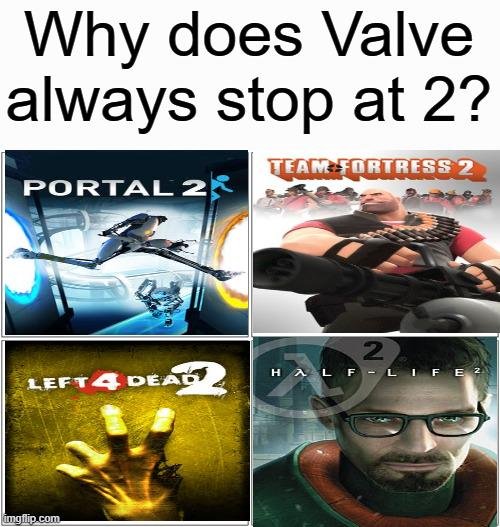
Valve didn’t stop making games; they shifted focus towards maintaining and expanding their platform, Steam, and developing new hardware, while still occasionally releasing games like Half-Life: Alyx.
It feels like ages since Valve dropped a major title, doesn’t it? The question, “why did valve stop making games,” often pops up. Many gamers wonder what happened to the studio that gave us classics like Half-Life and Portal. It’s easy to feel a void with the lack of new numbered sequels from their iconic franchises.
Instead of churning out game after game, Valve seems to prioritize Steam. They are busy creating and enhancing the platform that many gamers use each day. They have also been working on hardware projects. This shift in strategy explains the change in focus, although they do still release games.

Why Did Valve Stop Making Games?
It’s a question that has echoed through the gaming community for years: Why did Valve, the company that gave us legendary titles like Half-Life, Portal, and Left 4 Dead, seemingly stop making new, full-fledged single-player games? They haven’t vanished, of course. They still run the massive Steam platform, and they’ve released some other games like Artifact and Dota Underlords. However, the anticipation for a new Half-Life sequel or another big single-player adventure from Valve has been met with long periods of silence. Let’s dive into the reasons behind this shift in their focus, exploring the different paths they’ve chosen and the factors that have led them down those paths.
The Steam Giant: A Shift in Priorities
One of the biggest reasons for Valve’s change in direction is the massive success of Steam. Think of Steam like the biggest video game store in the world, but it’s all online! Valve built this platform and they are now in charge of it. Steam has grown so large that it demands a huge amount of Valve’s attention and resources. Maintaining, improving, and keeping this platform running smoothly, which allows other game makers to sell and showcase their games, has become a core focus.
The Lure of Platform Ownership
Owning a major platform like Steam offers different types of benefits compared to making individual games. Instead of relying on creating and selling one game at a time, Valve can take a cut from every game sold on their platform, and it’s very profitable. This means that while making a brand new, big-budget game is quite difficult and risky, Steam provides a stable and continuous income. In a way, they’ve become more like a game industry landlord than a game developer.
- Continuous Revenue: Steam provides ongoing financial returns, unlike game releases, which have a life cycle.
- Influence over the Market: As a platform owner, Valve has a strong influence over how games are sold and distributed.
- Reduced Financial Risk: The reliance on the platform model lowers the risks involved with game development.
The “Flat Structure” and Creative Freedom
Valve has a unique working style. They don’t have the traditional “boss and employee” structure; they call it a “flat structure.” This means employees at Valve get a lot of freedom to choose what they work on, and that’s something that they have adopted from the start. While this seems excellent, it means that people have to be self-motivated. This can result in teams forming and disbanding, projects getting started and stalled, and less focus on big, overarching game development.
The Pros and Cons of Self-Direction
While the flat structure allows for incredible creativity and passion-driven projects, it can also hinder structured game development. Big projects like Half-Life or Portal need organized, long-term planning. The freedom within Valve’s structure can make it harder to keep the company focused on creating these kinds of games.
- Freedom to Innovate: People can work on things they’re passionate about, potentially leading to groundbreaking ideas.
- Lack of Direct Management: The absence of traditional leadership can lead to less focused project management.
- Difficulty in Long-Term Planning: Long-term commitment to large projects can be difficult to maintain in a free structure.
The Appeal of Experimental Projects
Valve hasn’t completely stopped developing new things; they have a history of working on experimental projects. This involves trying new things and exploring areas outside the usual game development. These projects can include hardware, like the Steam Deck, or virtual reality technology. While these are often very innovative, it takes time and resources away from making traditional game development.
Hardware and Innovation
Valve’s ventures into hardware, such as the Steam Controller, the Steam Machines, and now the Steam Deck, have been significant investments. While they have not all been major successes, they show the company’s dedication to innovation. Hardware development requires a lot of time, money, and specialized skills. This can impact the game development pipeline.
- The Steam Deck: A portable gaming PC that has consumed a lot of resources.
- Virtual Reality: Investment in VR technology with the Valve Index and related software.
The Lure of the Digital Marketplace
Valve’s success with Steam has allowed them to experiment and create new ways to sell and distribute games. They have implemented different methods like Steam Workshop, which allows game makers to share their creations with other players, and Steam Early Access, which allows games to be bought in an unfinished state. These experiments take time and effort that might have otherwise gone into making traditional games.
The Evolving Gaming Landscape
The gaming world itself has also changed a lot over the years. When Half-Life came out, it was a very different time in gaming. Now, there are more types of games and gaming platforms than ever before. The increase in mobile games and the rise of eSports have shifted the entire industry. This means Valve, like all big companies in the gaming world, must pay attention to these trends to stay relevant. The shift toward service-based, online games like Dota 2 and Counter-Strike: Global Offensive has become a large part of the modern gaming world, and Valve is now focusing on these types of games.
The Rise of Online Gaming and Esports
Games like Dota 2 and Counter-Strike: Global Offensive require continuous updates, support, and community engagement. They are not simply developed once and released; they are ongoing projects that require significant resources. This focus on “games as a service” takes time away from creating single-player campaigns.
Table: Shift in Focus
| Old Focus | New Focus |
|---|---|
| Single-player story games | Multiplayer, online games as services |
| Episodic game releases | Continuous game updates and esports |
| One-time game purchases | Ongoing content updates and microtransactions (in some games) |
The “Valve Time” Phenomenon
There is a well-known saying in the gaming community: “Valve Time.” This refers to the company’s well-documented habit of taking longer than expected to release new products. Sometimes, games get announced and then we hear nothing for many years. This makes it harder to know when a new game from Valve might be released. This delay is not usually because they’re not working; it’s more of that they’re not ready to release something until it’s just perfect.
Perfectionism and Long Development Cycles
Valve is known for its high-quality standards, and they take their time to refine and perfect their creations. This commitment to quality can result in extended development cycles. Games can take years to complete, and may even be canceled if they don’t meet Valve’s standards. They are more keen to release things at its utmost best rather than just releasing it in a rush.
- Commitment to quality: They strive for high-quality gaming experience for the players.
- Long development time: It takes a long period of time for them to release something.
- Cancellation of projects: Sometimes the games are canceled as they don’t meet the standard of the company.
The Impact of The Community
Valve cares about their players a lot. They listen to what players say about their games, and they make changes to their games based on what the community wants. This feedback loop can lead to continuous updates on games such as Dota 2 and Counter-Strike: Global Offensive. This community engagement takes time and resources, and again they are focusing on their existing games.
Direct player feedback and game iteration
By engaging with their players and taking their feedback into account, Valve creates better gaming experiences. This includes addressing bugs, releasing new features, or modifying gameplay. Valve wants to make sure their player base is happy. The feedback is important to the company. This ongoing process requires a lot of resources.
The Unfinished Stories of Half-Life
The biggest question mark for many fans is the lack of a proper conclusion to the Half-Life series. The cliffhanger ending of Half-Life 2: Episode Two has left fans yearning for a third installment for many years. While Valve released Half-Life: Alyx in VR, it was not the Half-Life 3 that fans were expecting. The reasons for not completing the story are complex and debated among fans, but they come down to the changes in Valve’s direction.
Why Not Half-Life 3?
There is not an answer to the question that can satisfy all fans of the game. Many reasons have been said, but it all leads to the changing of direction of Valve and also its experimental approach. As the company moves forward, they will look for the most interesting things for them to work on, and if it’s a Half-Life game or any other franchise, it’s entirely their decision.
- Shifting priorities: Valve’s focus has shifted towards platform management and ongoing multiplayer games.
- High expectations: The weight of expectation for Half-Life 3 is huge, leading to hesitancy.
- Experimental Approach: They are more focused towards experimental project rather than a traditional game like Half-Life game.
In conclusion, the reasons behind Valve’s shift away from making traditional, large-scale single-player games are multifaceted. The explosive growth of Steam, the unique flat structure at Valve, the pull of experimental projects, the changing gaming landscape, and the company’s commitment to perfection all play a role. While the lack of a new Half-Life game continues to frustrate fans, Valve’s focus on platform development and other innovative ventures is where the company now puts its energy. They are not making fewer games, instead they are making different kinds of games and also the platform on which they are sold. It’s a new direction for a company that has given us some of the best games of all time.
Why Valve Doesn't Make New Games Anymore
Final Thoughts
Valve’s shift towards a platform focus and away from active game development explains the reduced output. The company prioritizes Steam and its related infrastructure. This involves curating content and supporting the gaming community, which is a crucial aspect of their business.
Ultimately, why did valve stop making games becomes clear. Their business model now heavily favors platform development over creating new game titles. Valve focuses on the Steam ecosystem and its growth, choosing to let others do the heavy lifting of game creation.

