
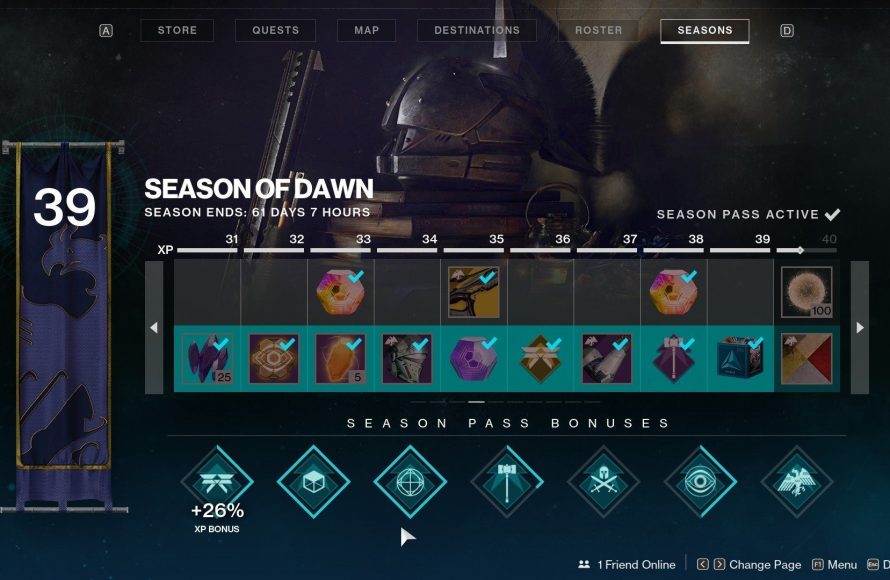
Battle passes are a popular way for game developers to generate continuous revenue and provide players with a sense of progression, which is why many games now incorporate a battlepass.
Have you noticed that seemingly every new game has one? It’s hard to ignore the trend. It seems every game wants a piece of that pie. We often find ourselves asking, why do all games have a battlepass? It’s a question worth exploring.
The appeal for game companies is clear: it creates a recurring income. For players, it provides a structure and challenges. This design creates a cycle of engagement that benefits both parties, so we see it more and more.

Why Do All Games Have a Battle Pass?
Have you ever noticed how many games these days seem to have something called a “battle pass?” It’s like they’re everywhere! You see them in big games, small games, free games, and even games you have to pay for. It might make you wonder, “Why is this happening? Why do all games have a battle passes now?” Well, let’s dive into the world of gaming and find out the reasons behind this trend.
The Allure of Recurring Revenue
One of the biggest reasons game companies use battle passes is pretty straightforward: they make money! It’s not just about selling the game upfront anymore. Think of a battle pass like a subscription service for extra goodies within a game. While the base game might be free or cost a set amount, the battle pass provides a continuous stream of income for the developers. Here’s how it works:
- A Steady Income Flow: Instead of relying solely on one-time game sales, the battle pass offers consistent revenue. Every season or period, players can purchase a new pass, guaranteeing the developers have a source of income throughout the year. This helps them keep supporting and updating the game.
- Encouraging Continued Play: The battle pass encourages players to play regularly, because they want to get the rewards before the season ends. The more players engage with the game, the more likely they are to spend money on other things too, like character skins or in-game currency.
- The “FOMO” Factor: Battle passes often have limited-time rewards, creating a “fear of missing out” (FOMO) for players. If they want a particular item, they feel pressured to purchase the pass and play regularly to earn it, making sure that the rewards are not lost.
Engaging Players and Giving Them Goals
Beyond the money aspect, battle passes are also designed to get players more involved in the game. It’s not just about playing; it’s about playing with a purpose! They act like a roadmap of things to achieve, making the experience feel more meaningful and rewarding. Here’s how:
A Clear Progression System
Without a battle pass, you might just be playing a game to improve skills or for the fun of it. A battle pass, on the other hand, gives you goals. When you play, you get experience points, and those points help you progress through the battle pass tiers, earning things along the way. This makes even everyday tasks feel more rewarding and gives players a sense of accomplishment.
Think of it like a progress bar that you are filling up with all the playtime you have. Each tier reached in the battle pass offers something new, keeping you hooked and wanting more. This clear system of progression makes it easier for players to set personal goals and to stay invested in the game.
Variety of Rewards
The rewards in a battle pass are usually pretty varied. You might get:
- New character skins or outfits
- Weapon skins
- Emotes (character actions like waving or dancing)
- In-game currency
- Loading screens or player profile customization items
- Special items that could give you a little edge
This variety means that there’s probably something for every player to aim for, making the battle pass attractive to a wide range of people. If you like changing how your character looks, there are skins. If you like having funny emotes, there are those too. It makes the game more customizable and engaging for everyone.
A Trend Set by Successful Games
Sometimes, things become popular because everyone else is doing it. Battle passes are a great example of this. They became hugely popular in some very big games, and other games saw how well they worked. This creates a sort of cycle: if one game has a battle pass, other games start to consider it, too. Here’s how the trend evolved:
The Early Days of Battle Passes
While the idea of tiered rewards isn’t new, the modern version of the battle pass gained popularity with games like Dota 2’s “Compendium” and then Fortnite. These games showed that players were willing to pay for a structured way to earn rewards, and other game developers paid attention.
Following the Leader
When Fortnite took off with its battle pass system, many other games began to copy this concept. It made financial sense, and it seemed players liked the system. It was a sort of “if it ain’t broke, don’t fix it” mentality. Game companies felt it was a safe bet to add a battle pass to their game because it was working well in so many other games.
Now, you see a battle pass system in almost every genre of game, from first-person shooters to role-playing games. The popularity and financial success of games like Fortnite have made battle passes a standard feature in modern game design.
Keeping the Game Fresh
Battle passes aren’t just about money or goals. They can also help keep a game feeling fresh and exciting. They introduce new content and challenges regularly, making sure players don’t get bored. Here’s how:
Seasonal Content Updates
Most battle passes are linked to seasons or time periods. This allows the game to receive regular content updates, which are new items, challenges, maps, or other types of gameplay additions that come when a new battle pass arrives. When players know that a new battle pass is coming soon, they are excited to see what new content is included.
New Challenges to Complete
Within a battle pass, there are often various challenges or tasks that players need to complete to level up their battle pass. These challenges vary and introduce new ways to play. They could be something like “get 10 kills with a specific weapon,” or “play 5 matches in a certain game mode.” These are things that might encourage you to play the game in a slightly different way.
These challenges keep players engaged by giving them specific goals outside of their normal gameplay patterns. Players might feel they want to try a different style of playing or try a game mode they don’t usually play. This encourages experimentation and helps prevent a game from becoming stale.
The Value Proposition: Is It Worth It?
One thing we should ask ourselves is if a battle pass is a good value. Some people feel that they are getting a lot of value out of it, while others are not so sure. It is worth taking some time to consider if a battle pass is right for you. Let’s look at both sides of the argument.
The Arguments for Value
For a player who spends a lot of time playing a particular game, a battle pass can often be worth the money. If someone is going to play a game regularly, it can give them a feeling that they are getting more for their time, as they unlock cosmetic items or other in-game boosts by their playtime. For example:
- Cost-Effective Content: The price of a battle pass is usually lower than buying each item separately, especially if the player plays often enough to get all the items.
- Rewarding Experience: The feeling of unlocking new content and seeing progress is satisfying for players. The system gives a player a sense that their time is being well spent.
- Community Engagement: When everyone is using the battle pass items, it creates a community bond, and many players like being able to show off their rewards and items to other players.
The Arguments Against Value
On the other hand, battle passes are not for everyone. There are some good reasons why some players might not think they are worth it:
- Time Commitment: You usually need to play often and a lot to get all of the good items from a battle pass, and this may not be ideal for those who cannot play as often.
- Limited Time: Because they’re timed, you could feel pressure to play when you don’t want to. The time limits may make you feel that you are obligated to play, and this can be stressful.
- FOMO Traps: The feeling that you have to play or risk losing out on great items can feel stressful. This can make a game feel more like work than fun.
- Mostly Cosmetic: Some might say that they do not get true value out of the system because the items are mostly just for how things look, and they do not affect gameplay.
Ultimately, whether a battle pass is worth the cost is going to depend on individual circumstances and tastes. It’s important to think about how much you play the game and if you like the items on offer before deciding.
The Future of Battle Passes
It’s safe to say that battle passes are likely to be a part of games for the foreseeable future. However, the way they work might evolve and change over time. Here are a few things to think about:
More Player-Friendly Designs
Game developers might continue to focus on creating battle passes that are more player-friendly. This might mean offering better rewards, more flexible time limits, or making them less about forcing people to play and more about rewarding them. Game companies may add different types of passes with different prices and features.
Integration with Other Systems
Battle passes may also become more tightly connected to other parts of a game. For example, they might connect with in-game events or community challenges, making them more than just a list of rewards to claim. This could create a more engaging and immersive experience. It’s possible they may even come to work between different games from the same publisher.
Experimentation with Structure
Game developers may experiment with the structure of battle passes. Maybe we will see battle passes that have more player choice built in, or that adapt to the way that each player prefers to play. This will probably come about as developers try to find the most engaging and enjoyable systems for players.
In the end, the idea is to keep players engaged and to make games better. Battle passes are just one tool that game developers are using, and like any tool, it can be used well or poorly. It’s up to developers and players to make sure that it’s helping to make games better experiences overall.
So, there you have it! Battle passes are very common in games today because they make money for the developers, they give players clear goals to achieve, they can help to keep a game fresh and interesting, and they have become a standard practice that many other games copy. While they have some benefits and drawbacks, they have proven to be a great way for developers to keep people playing and enjoying their games.
The Battle Pass Epidemic
Final Thoughts
Battle passes offer a recurring revenue stream for developers. This ensures consistent income beyond initial game sales, which is a must for many studios.
The engagement system within battle passes encourages player retention. People play more to earn rewards, thus increasing playtime.
Ultimately, why do all games have a battlepass? It comes down to a simple answer: money and player engagement. The monetization model is a key element in the modern game market.

