
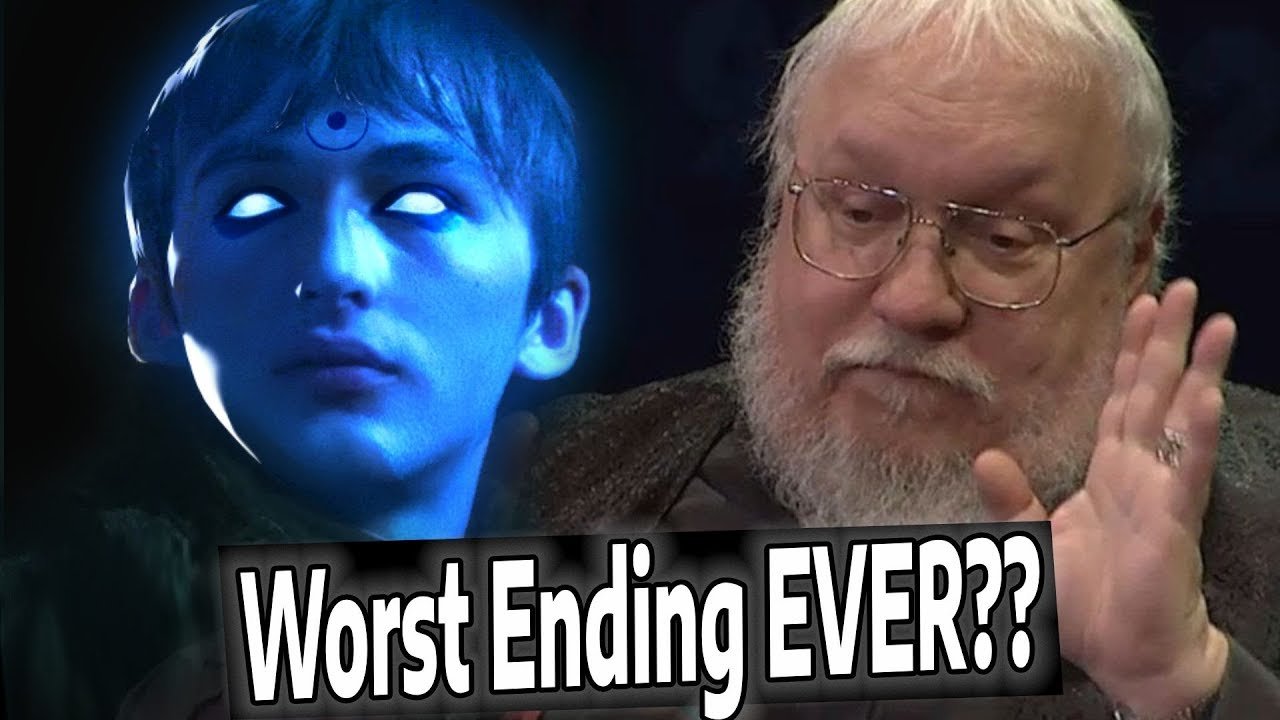
The rushed and illogical character arcs, coupled with unsatisfying conclusions for beloved characters, are why everyone hates the ending of Game of Thrones.
The internet still buzzes with discontent about the final season. Many fans felt betrayed by the writing choices. It seems like there is a general agreement on one thing: why does everyone hate the ending of Game of Thrones is a question with a very clear answer.
The showrunners appeared to abandon the carefully established world and character development. This abrupt shift angered many who had invested years in the story. The lack of resolution left a bitter taste, and the debate continues.

Why Does Everyone Hate the Ending of Game of Thrones?
Game of Thrones. Just the name sparks strong feelings, doesn’t it? For years, we were all glued to our screens, totally invested in the battles, the betrayals, and the dragons. We loved the complex characters, the intricate plots, and the unpredictable nature of Westeros. And then… the final season happened. Suddenly, it felt like the show took a sharp turn, leaving many of us scratching our heads and feeling disappointed. But why? Why does almost everyone seem to hate how it all ended? Let’s dive deep into the major reasons behind this widespread disappointment and understand what went wrong with the show’s finale.
The Rush to the Finish Line
One of the biggest complaints about the final season was its pace. After so many seasons of carefully crafted storylines, it felt like the show suddenly decided to sprint to the finish line. Important plot points, character developments, and long-awaited confrontations felt rushed and underdeveloped. It was like the writers were more concerned with wrapping things up quickly than with telling a satisfying and organic story.
Compressed Storytelling
Earlier seasons of Game of Thrones usually had 10 episodes each, allowing ample time for character arcs to unfold and storylines to breathe. The last two seasons, especially season eight, were noticeably shorter, with only six episodes. This reduction in the episode count meant that significant plot developments that should have taken more time were crammed into too few episodes. For instance, the entire White Walker storyline, which was built up for seven seasons, was resolved in only one battle, followed by a very quick transition to other storyline points. This abrupt shift left many viewers feeling that the show did not give the established and heavily invested storylines the time they deserved. It also gave the feeling that the show was just cutting corners to finish as soon as possible.
Unfulfilled Prophecies and Foreshadowing
Throughout the show, several prophecies and foreshadowing elements had been introduced, leading fans to develop expectations about how the various storylines would conclude. The rushed ending meant that many of these were either ignored or resolved in a way that felt unsatisfying and contrary to the expectations the show itself had created. For instance, the prophecy of the Prince Who Was Promised and the true meaning of Azor Ahai which felt completely ignored. These were key plot points that fans had been anticipating for years, but the conclusion of their storyline felt anticlimactic and even dismissive. The lack of payoff for these established narrative elements contributed to the sense that the writers were rushing to a conclusion without honoring the show’s own internal logic and history.
Character Derailment
Another key reason for the intense dislike of the ending was the way characters behaved in the final season. Many beloved characters seemed to suddenly act in ways that were inconsistent with their previous motivations and development. It’s as if the show forgot who these characters were, leading to a jarring and disappointing experience for viewers who were deeply invested in their journeys.
Daenerys Targaryen’s Sudden Descent
Perhaps the most controversial character arc in the final season was that of Daenerys Targaryen. From a compassionate liberator to the “Mad Queen,” her dramatic shift felt sudden and unearned. While it was hinted that she had a Targaryen streak of madness, the suddenness of her turn left many viewers feeling betrayed by the character development they had witnessed over the previous seasons. The events leading to her burning King’s Landing seemed out of character, as she was seen as a kind and fair leader. The transition was too rapid and didn’t give enough time for her darker side to develop organically. Fans found it difficult to accept that such a complex, beloved character would suddenly succumb to madness without a more gradual progression and deeper exploration of the causes.
Tyrion Lannister’s Diminished Intellect
Tyrion, known for his sharp wit and strategic brilliance, seemed to become surprisingly naive and incompetent in the final season. He was often seen making terrible decisions that directly contradicted the astute mind he had demonstrated throughout the series. The same intelligent advisor who outsmarted everyone in earlier seasons became a character who seemed to just blunder his way through. He made critical mistakes that seemed uncharacteristic of his established persona, leading to a loss of credibility and believability. This dramatic change made his character feel like just a shadow of his former self, another thing that made the audience feel more disappointed with the show.
Jaime Lannister’s Regression
After going through a lot of change, Jaime Lannister decided to throw it all away and go back to Cersei, and die with her. This regression did not make sense given his previous growth and redemption arc. The decision made his previous actions meaningless and was very frustrating to many viewers, who had anticipated and looked forward to his growth as a character.
Pacing Problems and Plot Holes
Beyond character issues, the final season was also plagued by pacing problems and plot holes that made it difficult for viewers to fully enjoy the story. Many events happened without proper explanation or context, leading to confusion and frustration.
The Night King’s Defeat
The defeat of the Night King, who had been set up as the ultimate antagonist, felt anticlimactic and was very quick. The culmination of such a massive storyline was resolved in one episode by one character, Arya, and in a way that felt convenient rather than earned. It didn’t explain his goal or even provide an understanding why he did what he did. This single battle was the culmination of eight seasons of build-up. By resolving it in such an easy manner, the writers undermined the narrative stakes that they themselves had established.
The Iron Throne’s Fate
The destruction of the Iron Throne by Drogon seemed completely random. The action was performed by Drogon after the death of Daenerys, it doesn’t seem like there was any motivation or justification for the action. The iconic object that had been the source of conflict throughout the series was just melted. This decision was not just disappointing, but also showed a lack of appreciation for the significance that it had to the series as a whole. The throne’s symbolism, which had been a recurring theme, was simply thrown away, leaving many to wonder why the show decided to take that route.
Bran Stark as King
The decision to make Bran the King of Westeros felt random and out of place. His character was mostly distant and emotionless, which didn’t make him a compelling choice for the ruler of a broken kingdom. Viewers felt that there was no logical reason for why he was picked. The show didn’t really do anything that made him a fitting ruler, and this decision felt like a letdown after years of seeing the characters struggle for the throne. His character development throughout the show was nothing that made the audience think that he was going to be a good fit for the position. This made the whole ending feel disappointing.
Lost Themes and Messages
Game of Thrones was known for its complex themes and moral ambiguity. However, the final season seemed to abandon these elements, resulting in a simpler, less satisfying conclusion that didn’t resonate with the established tone of the series.
Moral Nuance
One of the things that made Game of Thrones so compelling was its refusal to portray characters as simply good or evil. Each person had their own motivations and shades of gray. The final season reduced many characters to simpler archetypes. The nuances of good vs. evil disappeared and replaced it with simplistic binary oppositions of “good” or “bad”. This made the storyline feel shallow and betrayed the complex characterisations that fans appreciated.
Political Intrigue
The complex political scheming and power plays that defined the earlier seasons were replaced with more simplistic and direct conflicts. The final season seemed to have given up on the subtleties of political maneuvering, abandoning the intellectual nature of the battles for the throne. The political maneuvering was one of the things that made the show so unique. It was a very disappointing to see it replaced with more straightforward battles.
Fan Expectations and Hype
The immense popularity of Game of Thrones created high expectations for its ending. Fan theories and predictions fueled much of the discussion around the show, and when the actual ending didn’t align with these expectations, many fans felt let down.
Theories and Speculations
Before the final season aired, the internet was filled with fan theories and elaborate predictions about how the series would end. Many viewers had grown attached to their own interpretation of the events. When the show didn’t satisfy the theories, they were bound to feel disappointed. While no show can fulfill everyone’s expectations, the gap between what fans expected and what the show delivered felt particularly large for many of them. The ending of the show also disproved theories that had become part of the overall Game of Thrones culture, and this was something that also affected the show’s reception.
The Problem of Expectations
Ultimately, the finale faced an uphill battle. With so many fans, all with different hopes and dreams about how the story should end, it was bound to be hard to make everyone happy. However, many viewers felt that the ending was not only different from their expectations but also fell short in its storytelling. It felt rushed, lacked depth, and didn’t live up to the standard that the show had set in its earlier seasons.
The Impact of the Finale on the Show’s Legacy
The negative reaction to the ending of Game of Thrones has significantly impacted the show’s overall legacy. What was once hailed as one of the greatest television shows of all time is now often remembered for its disappointing conclusion.
Damage to Reputation
The intense criticism of the final season has tarnished the show’s reputation, casting a shadow over its many achievements. The show, which was highly acclaimed for its earlier seasons, is often remembered for its disappointing ending, something that will always be a part of its history. This was a completely unnecessary damage that could have been avoided with better writing and more care.
Lost Fan Engagement
Many fans who were once actively engaged in discussions, fan theories, and overall excitement about the show have since lost interest. The show’s overall influence and cultural footprint have diminished because of the ending. It is rare to find people still talking about it after the ending that it had. The lack of any long lasting impact is a major sign that the show did not do a great job with its ending, as a good series usually continues to remain relevant for a very long time, especially if it is of such a high quality.
In conclusion, the widespread hate for the ending of Game of Thrones stems from a combination of rushed storytelling, inconsistent character development, plot holes, and a failure to deliver on the complex themes and messages that made the show so popular. The finale didn’t do justice to the series, leaving many fans feeling disappointed and betrayed. The huge gap between what was expected and what was delivered ultimately led to the show becoming remembered for its mistakes instead of its achievements.
9 Reasons Why 'Game Of Thrones' Season 8 Was A Huge Disappointment
Final Thoughts
Rushed pacing and character inconsistencies fueled the immense disappointment. Many felt key storylines were abandoned or concluded without proper build-up. The show’s ending fundamentally betrayed established character arcs, leading to massive fan backlash.
The primary issue: why does everyone hate the ending of game of thrones? It stems from a perceived lack of care in concluding the narrative. The final season felt like a forced march to an end point, which ultimately did a disservice to the series as a whole, and fans must not forget that.

