
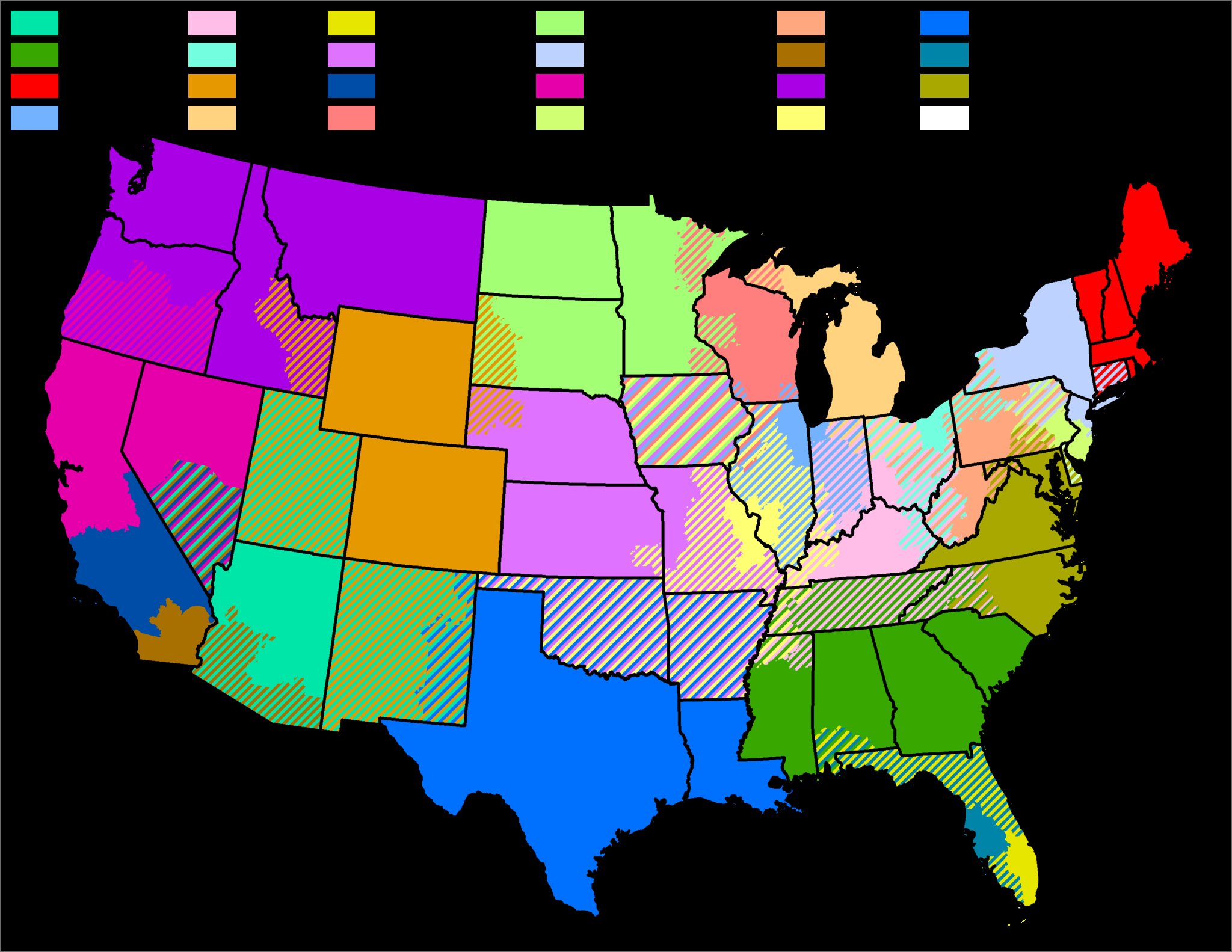
MLB blackouts exist due to territorial rights agreements with regional sports networks that restrict broadcasting games in specific areas, primarily to protect local broadcast revenue.
Ever wondered why you can’t watch your favorite team play sometimes? You’re not alone. Many baseball fans face the frustration of blacked-out games. It really begs the question, why does MLB blackout games?
These restrictions aren’t random; they are a result of complex deals. Regional sports networks pay hefty fees for exclusive rights within their designated territories. This business model creates the frustrating experience of blackouts, protecting local broadcasts but restricting viewing for many.

Why Does MLB Blackout Games?
Okay, baseball fans, let’s talk about something that can be super frustrating: blackouts. You’re all set to watch your favorite team, maybe even have some snacks ready, and then…bam! You can’t watch the game because it’s blacked out. Why does this happen? It can feel like a big mystery, but there are actually some pretty good reasons behind it. It all boils down to money, contracts, and making sure everyone gets their fair share.
Understanding the Basics of MLB Blackouts
Before we dive into the specifics, let’s get a basic understanding. MLB blackouts aren’t random. They’re a result of how broadcasting rights are sold. When you want to watch a game, you’re not just watching baseball; you’re watching a broadcast that someone has paid for the right to show. These rights are sold to different networks, both local and national.
What Are Broadcasting Rights?
Think of broadcasting rights like buying the permission to show a movie or a TV show. In the world of baseball, MLB sells the right to broadcast its games to different companies. This can be national channels like ESPN or Fox, or local channels specific to your area. The company who buys these rights pays a lot of money for them.
The team receives money from the sale of these rights. It is a major part of a team’s revenue stream. This money helps them pay their players, maintain their stadiums, and keep the whole ball game going.
Local vs. National Blackouts
It’s important to understand the difference between local and national blackouts.
- Local Blackouts: These are the ones that usually cause the most confusion. They happen when a local network (a regional sports network, or RSN) has the exclusive right to show the game in your specific area.
- National Blackouts: These happen when a game is being shown on a national network like ESPN, Fox, or TBS. You might not be able to watch that game if you live outside of the designated market area.
The Role of Regional Sports Networks (RSNs)
RSNs are crucial in understanding why blackouts exist. These are local channels that typically have the broadcasting rights to a specific team’s games within their local territory. For example, in New York, there’s YES Network for the Yankees and SNY for the Mets. In other states, each team usually has its own RSN partner.
Why RSNs Pay Big Bucks
These RSNs pay huge sums of money to broadcast games. They do this because they know that fans in the area are willing to pay for cable or streaming subscriptions to watch their local team. It’s all about capturing the local market. The big money they pay goes to the teams.
For the RSNs to make back their investments and remain profitable, they need to have exclusive rights within their broadcast area. This exclusivity is why blackouts happen. If the RSN paid for the rights to a game, no other station or streaming service in the region will show it.
These networks also have agreements with cable TV providers or streaming services. Your provider has to have the right agreement to allow access to these channels. If not, you may miss out on viewing the RSN. They make a lot of money to show the games to a local audience. This is the driving factor behind the existence of blackouts.
How Blackouts Affect Fans
Let’s be real: blackouts are a pain for fans. Here are some common scenarios:
- Out-of-Market Fans: If you live outside of the area covered by the RSN, you might have to pay for an additional streaming service. For instance, if you are a Seattle Mariners fan in Florida, the local Tampa channel will not show the Mariners game.
- Local Fans: If you do live within the RSN’s broadcast area and have a subscription, you probably won’t have any issues. However, if you cut the cord and only rely on certain streaming services, you might still face blackouts.
- Digital Streaming Restrictions: Some streaming services have specific location restrictions, meaning you might be blocked from watching games based on your IP address.
The Frustration of Location Restrictions
Imagine you are on a road trip and want to catch the game using your streaming services. You might encounter a blackout because you are now in a different broadcast region. This is frustrating for fans. This happens because of the regional broadcasting rights. It can be particularly bothersome if you are a frequent traveler. You might find yourself needing different subscriptions depending on where you are.
The Economics of MLB Blackouts
Why Teams Want Blackouts
Blackouts aren’t about trying to annoy fans (even though it often feels that way!). They are a vital part of how teams make money. The revenue from RSNs are a large part of each team’s total revenue. That revenue is needed for team operations. The local sports network makes money, and so does the team.
Balancing Revenue and Fan Access
The system is designed to create a balance between team revenues and access to the game for the fans. Without blackouts, local RSNs might not be willing to pay so much. Without the big money, teams would struggle to maintain their operations. This balance is always a work in progress and very delicate.
The Ever-Evolving Landscape of Sports Broadcasting
The way we watch sports is changing rapidly. Streaming services are becoming more popular. This means MLB is constantly trying to adjust to this shifting market. MLB is also working on new ways to make watching games easier for everyone, while still ensuring teams are paid appropriately. They are trying to meet fan demands and make the games available everywhere. However, it’s difficult to balance everyone’s needs.
MLB.TV and Blackout Restrictions
MLB.TV, the league’s own streaming service, is a common source of confusion regarding blackouts. It might seem like the perfect solution, but it still comes with blackout rules. Understanding them will help you avoid frustration.
How MLB.TV Works
MLB.TV offers live streams of most games. It provides the chance to watch games that might not be available in your area. However, you have to remember that it also enforces blackout restrictions. If a game is being shown on a local RSN in your area, it will be blacked out on MLB.TV within that region.
Why MLB.TV Has Blackouts
MLB.TV still needs to respect the agreements the league has with local RSNs. If MLB.TV were allowed to show games that local networks have rights to, those networks wouldn’t pay as much. This would cause chaos in the sports broadcasting ecosystem. The system is still in place to respect the existing RSN rights.
Workarounds and Limitations
Some fans try to get around blackouts using VPNs or similar technologies. These methods are against the terms of service for most streaming platforms. While they may work sometimes, they are not a reliable solution. Also, they can cause issues with your streaming service. It’s important to know that using these types of solutions might lead to having your service cancelled.
Future of Blackouts and Possible Changes
The Rise of Streaming and Direct-to-Consumer Options
As more and more people move away from traditional cable, there’s increasing pressure for changes to the blackout rules. There is also a rise in streaming services. The way people consume entertainment has changed. There is more demand for direct-to-consumer options. This shift could lead to different broadcasting agreements. Perhaps even new types of streaming bundles.
Potential for Flexible Blackout Rules
MLB has been exploring different ways to make it easier for fans to watch the game. This includes possibly having different blackout rules. For example, allowing more games on digital platforms. This is a very complicated issue because it impacts revenue for many different companies. The current system has been in place for years. MLB is actively trying to improve the system while protecting its broadcasting revenue. Finding a solution that works for everyone is complex.
Fan Demand for Greater Access
Fans have been vocal about wanting more access to games. They do not want blackouts. MLB is paying attention to these concerns. Fan satisfaction plays an important role in the long-term success of the league. Leagues must balance the need to generate revenue with the desire to have games available for everyone. It is a very delicate balancing act.
Alternatives to Catch Blackout Games
While blackouts can feel limiting, there are still ways to keep up with your favorite team.
- Radio Broadcasts: Tune into the local radio station that carries your team. You can always listen to the game on the radio.
- Highlights: If you miss the live game, most sports websites and apps will post game highlights. You can quickly watch the highlights and see the big plays.
- Following on Social Media: Many teams will post updates on their social media channels. They often share videos and information in real time.
Exploring different options
For some fans, exploring different options can help them stay engaged with the game. It is sometimes not ideal. But, it helps fill the void when you can’t watch the live game. Using multiple channels to stay in touch with your team can be an enjoyable way to follow the season.
The world of MLB blackouts can be confusing, but at its heart, it’s about the economics of sports broadcasting. The system tries to balance revenue for teams and access for fans. While it is not perfect, it continues to evolve, and hopefully one day will bring the games to everyone, without the restrictions of blackouts.
My Solution to MLB Blackouts
Final Thoughts
MLB blackouts exist primarily to protect local broadcast rights. Regional sports networks pay a considerable amount for exclusive access to games within specific territories. This means MLB prevents national broadcasts from showing games in those markets, effectively encouraging fans to subscribe to the local channel.
Ultimately, the system prioritizes network revenue over the accessibility of all games to every fan. That’s why does mlb blackout games. The blackout rules can be frustrating but it is a necessary component for the business model.

