
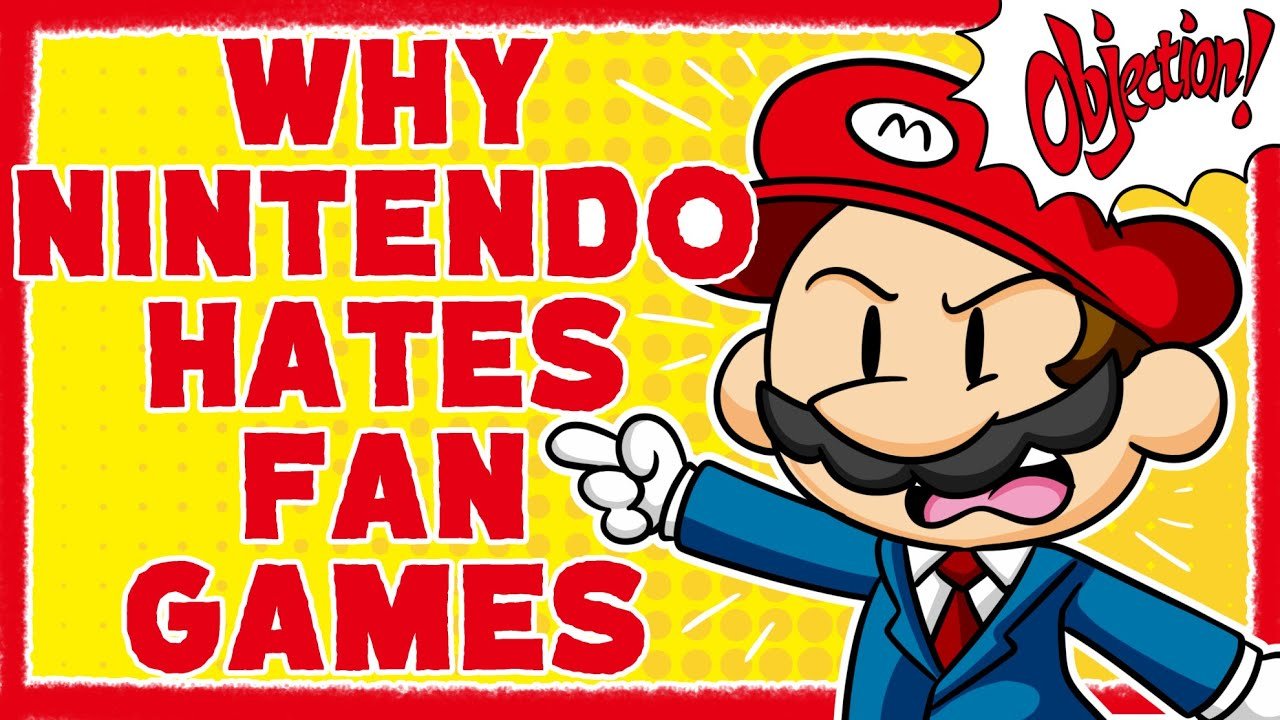
Nintendo protects its intellectual property, and fan games often infringe on their copyrights and trademarks.
The vibrant world of fan-made games often clashes with corporate interests. The question of ‘why does nintendo hate fan games’ frequently pops up among the gaming community. Many talented developers pour their passion into creating tributes to beloved Nintendo franchises.
However, Nintendo takes a firm stance on protecting their brands. They actively shut down these fan projects to safeguard their intellectual property. This action stems from legal necessity and business strategies of the corporation.

Why Does Nintendo Hate Fan Games?
Okay, let’s talk about something that makes a lot of video game fans a little sad: Nintendo and fan games. It often seems like Nintendo has a very strong dislike for fan games. But why? It’s not as simple as just saying they’re mean. There are actually some good reasons, from their point of view, why they act the way they do. We’ll dig into the main reasons, explore the legal side, and look at some real-world examples to understand the whole story.
The Big Problem: Copyright and Trademarks
Imagine you drew a really cool picture. You worked super hard on it, and it’s totally yours, right? You wouldn’t want someone else to take your picture, change it a little, and then sell it as their own. Well, that’s how Nintendo feels about their games. They own the characters, the stories, the music – everything you see in a Mario or Zelda game. This ownership is protected by laws called copyright and trademark laws.
What is Copyright?
Copyright is like a special rule that protects the things people create. When Nintendo makes a game, they automatically get copyright for it. This means that only Nintendo can:
- Make copies of their games
- Share their games with other people
- Make new things based on their games (like a sequel or a movie)
- Use the characters or music in any other project
Fan games often use Nintendo’s characters, music, and stories, which breaks Nintendo’s copyright. It’s like using someone else’s drawing without asking them.
What are Trademarks?
Trademarks are like special brand names. Think of the Mario logo or the name “Zelda.” These are trademarks that belong to Nintendo. Trademarks protect the brands and make sure people don’t get confused about who made the game. If a fan game used the name “Mario” or the Mario logo, that would also be a problem. Nintendo has the sole right to use these things to sell their products and make money.
Protecting Their Brand and Reputation
Nintendo has worked really hard to build its brand and create a special kind of fun that people all over the world enjoy. They want to make sure that when someone sees a Nintendo game, they know it’s going to be made with care and attention to quality. Allowing fan games could actually hurt their brand.
Here’s how:
- Quality Control: Fan games are made by fans, not by professional game developers. While some are amazing, many might not be as polished or fun as a real Nintendo game. If people play bad fan games with Mario or Zelda, they might start thinking that Nintendo games are bad too.
- Brand Confusion: If fan games get too popular, people could get confused about which games are official and which ones are made by fans. Nintendo wants to make sure people know when they’re buying a real Nintendo product.
- Dilution of Characters: If everyone is making games using Mario, that character might become less special over time. Nintendo wants to keep their characters and their worlds feeling unique and exciting.
The Money Angle: Commercial Interests
Let’s be honest: Nintendo is a business. They make money by selling their games. If fan games get too good and become a really popular alternative to official Nintendo titles, they could lose money. Think about it – if a free fan game is as fun as a new Zelda game, why would some people buy the new Zelda game? Nintendo needs to protect their sales, so they need to make sure people want to buy the official games.
Consider these points:
- Potential Lost Sales: If people can get high-quality experiences from fan-made projects, they are less likely to buy the new titles Nintendo produces. This directly affects the profit that funds further development.
- Development Costs: Creating games takes a lot of time, money, and talented people. Nintendo invests a huge amount to make their games great. They need to make back that money from sales. If they let fan games cut into their sales, they might not be able to make more games in the future.
The Gray Area: Not All Fan Games are Created Equal
It’s true that not all fan games are the same. Some are really small and just for fun, while others are big and polished enough to seem like a real commercial game. Nintendo tends to be more worried about the big, polished fan games because those are the ones that pose a bigger threat to their business. But they still have to take action against other fan games to maintain their copyright.
Non-Commercial vs. Commercial
Many fan games are made as a hobby and are given away for free. However, the very act of distributing a game using Nintendo’s intellectual property, even for free, breaks copyright laws. Some fan game creators try to sell them or ask for donations. Nintendo is very strict against anything that tries to make a profit off of their intellectual property because that directly competes with them. It can become very complicated to draw the line between harmless fan projects and commercial exploitation of their properties, and Nintendo typically takes the broad legal approach, wanting to protect their IP from any potential infringement.
Real-World Examples and Case Studies
Let’s examine some well-known fan game takedowns to better understand how Nintendo’s policy plays out:
AM2R (Another Metroid 2 Remake)
AM2R was an impressive fan-made remake of the Game Boy title Metroid II. This project was very high quality and gained a large fan following. Nintendo eventually sent a cease and desist letter to the project’s creator. While many fans loved AM2R, Nintendo’s action was consistent with their policies of protecting their intellectual property, even in very polished fan remakes.
Pokémon Uranium
Pokémon Uranium was a fan-made Pokémon game that introduced a completely original region and around 150 new Pokémon. The game was in development for several years and had a large player base. Nintendo issued cease and desist letters, causing the game to be removed from websites, but the game can still be downloaded, although not supported by the developers. Again, we see Nintendo’s legal policy in action to protect their IP.
Why So Strict?
Some people wonder why Nintendo doesn’t just let some fan games exist. It seems like it would be a nice thing to do for their fans, right? The problem is that it’s difficult for Nintendo to choose which fan games to allow and which ones to shut down. If they let one fan game use their characters, that means they would have to let all fan games use their characters. That means they lose control of their characters, brand, and the potential of making money on new titles based on existing concepts. For legal reasons, it would also be difficult to selectively enforce copyright. It’s much easier for them to just say no to all fan games and protect their intellectual property from potential future infringements.
The Other Side: Fan Creativity and Passion
It’s important to remember that fan game creators aren’t trying to hurt Nintendo. They’re actually huge fans who love the characters and worlds. They make these games out of a deep love for Nintendo’s work. They’re showing their creativity and using their skills to celebrate the games they love. Many fan-made projects even introduce new concepts that Nintendo themselves might later incorporate or take inspiration from. This passion is a very valid thing, so the issue of fan games versus Nintendo is a complicated one with both sides having valid arguments.
Think of fan games as a way for fans to create new content for a beloved series. However, because of copyright and trademark laws, they unfortunately cannot use the original characters and worlds without the consent of the original owners, as it falls under intellectual property and commercial rights.
Fan Games as a Learning Tool
For many aspiring game designers, fan game projects serve as a hands-on training. They learn coding, animation, game design, and much more by crafting these fan games. The community also can offer critiques and feedback for any project. Often, very talented developers have started creating fan projects and have moved on to a career in the gaming industry.
Alternatives for Fans
While making fan games with Nintendo’s characters may not be possible, there are other ways for fans to show their creativity:
- Original Games: Fans can make games with their own characters and stories that are inspired by Nintendo’s games but are still completely original. This allows creativity while respecting Nintendo’s rights.
- Fan Art and Fan Fiction: Creating art or writing stories is a great way to express love for a game without breaking copyright laws.
- Modding: Modding official games allows you to alter them, but this usually requires owning the original game.
- Support Nintendo: Fans can also simply support Nintendo by buying their official games and merchandise, which helps them keep making more great games.
The Future of Fan Games and Nintendo
The relationship between Nintendo and fan games is not likely to change much in the near future. Nintendo is very protective of their intellectual property, and they have a legal right to be. Fan game creators should understand that making games that use Nintendo’s characters and worlds is a risk, and they should be ready for Nintendo to take action if their projects become too large. However, Nintendo is likely to continue to be aware of the very passionate community that surrounds their games, especially in the online landscape. There is a great demand to see fan-made creations, but there is also a constant legal need to protect the characters and games themselves.
The world of fan-made content is a complex one, with a mix of copyright, creativity, and business interests. While the situation might seem unfair to some fans, understanding Nintendo’s motivations helps provide more clarity as to why they take the actions they do. Nintendo has very firm legal policies, and they have to take measures to protect their own work. The key is to find creative avenues for your own work without conflicting with intellectual property rights.
Why Nintendo Hates Fan Games
Final Thoughts
Nintendo protects its intellectual property fiercely. They issue takedowns to preserve brand control, which impacts fan creations. This tight grip often leads to frustration within the fan community.
Ultimately, why does Nintendo hate fan games? It’s not about personal animosity; their actions stem from legal and business concerns. They must maintain their brand and prevent unauthorized commercial use. This often leaves fans feeling like their passion is stifled.

