
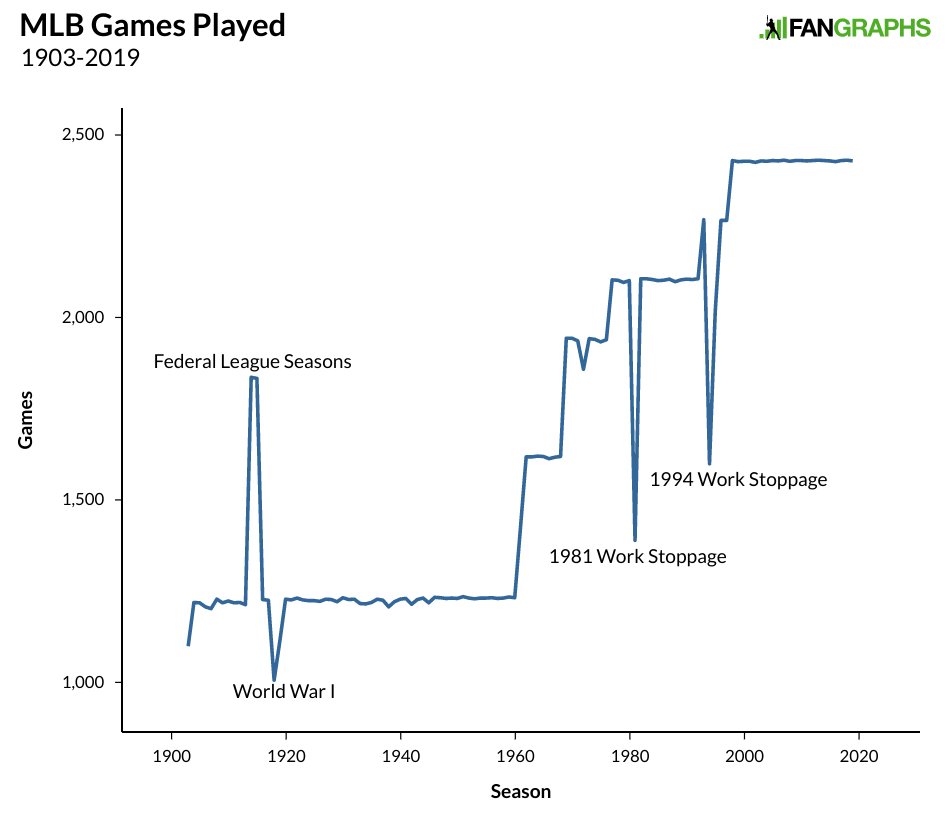
The MLB has so many games primarily to maximize revenue through ticket sales, broadcasting rights, and other related income streams.
Ever wondered why you can practically watch a baseball game every single day of the summer? It’s a question many fans ponder: why does the MLB have so many games? The sheer volume of matchups can be overwhelming, but it’s all part of a strategic design.
The extensive schedule provides numerous opportunities to engage fans throughout the season. Each game offers a chance for local communities and diehards to participate. It’s a long haul for teams and fans alike.

Why Does the MLB Have So Many Games?
Ever wonder why Major League Baseball (MLB) teams play so many games? It’s a lot, right? We’re talking about 162 regular season games, not to mention Spring Training and the playoffs! It might seem like a crazy number compared to other sports. Well, there are some very specific reasons for this long season, and we’re going to dive in and explore them all. Get ready to find out why baseball’s schedule is the way it is!
The Historical Roots of the Long Season
To really understand why MLB has so many games, we have to take a trip back in time. Way back, to the early days of baseball. In the late 1800s and early 1900s, baseball was not just a sport, it was a major form of entertainment. Before TV, before radio really took off, going to a baseball game was a big event. Teams needed to play lots of games to make money and meet the high demand for games. Also, travel in those days was very different. Teams would travel longer distances by train and play multiple games in one city. Then they’d move on to the next city and repeat the process. This old-school structure created long schedules right from the beginning. Think of it like a traveling show that stops in many different towns. Baseball, in many ways, was exactly that. This established a culture of playing a high number of games that continues to this day.
Early Baseball Economics
In the early days of baseball, revenue streams were very different than they are today. There were very few ways to make money other than from ticket sales. With that being the case, teams needed to host a lot of games each season. Games were very inexpensive compared to today, so they had to make up the profits with the quantity of the games. This is a significant contrast to the modern era of MLB where revenue streams are numerous and include things like national television deals, merchandise, and more.
The Economic Engine of a Lengthy Season
While history plays a big role, economics is the real engine that drives the current 162-game season. Think about it: more games mean more opportunities for fans to come to the ballpark. More tickets sold, more hot dogs and sodas purchased, and more merchandise sold. It’s all connected! These games also help with broadcast deals, both locally and nationally. So, having a lot of games can be great for the teams’ bank accounts. It’s important to understand that this long season is a major part of the sport’s financial plan.
Revenue Streams from a High Number of Games
- Ticket Sales: More games mean more opportunities to sell tickets. This is still a big source of income for most baseball teams.
- Concessions: From peanuts to popcorn, ballparks make a large amount of money from food and drink sales. More games = more sales.
- Merchandise: Baseball hats, jerseys, and other merchandise are big business for teams. The longer season allows fans to buy more.
- Television and Radio Broadcasts: TV and radio stations pay a lot for the rights to broadcast MLB games. More games mean more opportunities for these broadcasts.
The Role of Local and National Television Contracts
Television contracts are a huge piece of MLB’s revenue pie. These deals, both national and local, are incredibly lucrative. TV networks like ESPN and Fox pay a lot of money for the rights to show MLB games, and these payments are often based on the number of games available. A longer season gives broadcasters more content and, in turn, that means more revenue for the teams. Local networks, too, often rely on baseball to fill a significant portion of their broadcasting schedules.
The Unique Nature of Baseball
There’s a lot that makes baseball different from sports like football or basketball. These differences contribute to why baseball has such a long season. Baseball games are very different in pace and intensity. Football and basketball games are shorter and more physically taxing. In contrast, baseball games allow for frequent breaks in the action and tend to have less intense spurts of activity. This makes it possible for players to play on a nearly daily basis for an extended period of time. The lower level of physical strain compared to some other sports contributes to how many games they can play over a season. In the context of an MLB schedule, this allows for the season to be a longer time frame.
Pace and Physical Demands
When you compare a baseball game to a football or basketball game, the difference is clear. A football player is sprinting and colliding for a much shorter period. Basketball players are running up and down the court at a high intensity. A baseball player, on the other hand, can be a pitcher who only throws a few pitches every few days. In other sports, you might find athletes needing several days of rest between games. Baseball’s pace allows players to get back out on the field more often. The frequent breaks between pitches and innings allows for recovery. This unique aspect of the sport helps make a long season possible.
The Importance of Series Play
Another key part of MLB’s schedule is how they organize games into series. Instead of playing one game against a team and moving on, they often play two, three, or even four games in a row against the same team. This setup, called a series, helps reduce travel time. When a team goes to a city, they play multiple games there before moving on. It keeps travel costs down and provides a good way to create rivalries and exciting match-ups between teams. This format also contributes to the length of the season, by spreading the travel over several days.
Reducing Travel and Creating Rivalries
Without the series structure, teams would travel constantly. Imagine flying or bussing across the country for one game and then back for the next one. That would be a lot of time and money spent on travel. Instead, teams play a series of games. This allows them to play multiple games against a single opponent during a visit, which saves time, money, and the players’ energy, too! Series also help create fun rivalries. When teams play each other often, the excitement builds, and the games become more meaningful for players and fans.
Building Storylines and Fan Engagement
With 162 games, you get a ton of time for things to unfold. Stories develop, rivalries heat up, and players have time to make their mark. Think about a player who starts the season slow but then has a really big second half, or the team that starts out really strong and then hits a slump. The lengthy season allows fans to follow these narratives over time. It gives fans time to become invested in individual players and the overall season. The long season allows for more time to see stars emerge, teams improve, and surprises unfold. In short, there is a lot more to follow and engage with.
Following Player Development
The long season gives players a lot of opportunities. A young player can go from the minor leagues to the major leagues and have time to grow. The amount of games gives them time to refine their skills. We see players develop over the entire course of a season. With more playing time, we get to see their growth. This is a big part of the fun of watching MLB. A shorter season would not allow us to see this development in the same way. It gives players the chance to shine and grow as the year progresses.
The Rhythm of the Baseball Season
Baseball’s daily schedule creates a unique rhythm throughout the summer. There is almost always a game on, especially in the summer. This consistency allows fans to incorporate baseball into their daily routines. Many fans will listen to a game on the radio while they work, or they will plan to go to a game on a weekend evening. The long season allows fans to make baseball a regular part of their lives. In turn, the rhythm makes it a consistent presence in the culture.
Balancing Travel and Competition
MLB tries hard to make the schedule fair for all teams. They try to balance the number of home and away games. They also try to make sure teams play similar opponents the same amount of times. This is really tricky to do, and a long season makes it possible to create a more fair and balanced schedule. With so many games, the impact of a few tough or easy stretches isn’t as big of a deal. A long season gives a team the chance to make up ground over the long haul.
Ensuring a Level Playing Field
A lot of thought goes into the MLB schedule. It is not just a random list of games. The league tries hard to balance home and away games. They try to balance the number of games against divisional rivals, too. A longer season makes this balancing act a bit easier. It reduces the risk of one team having an unfair advantage due to a much harder or easier slate of games. While not perfect, the schedule is made to provide a level playing field as much as possible.
The Impact on Player Endurance and Performance
Playing 162 games plus playoffs takes a lot. The amount of playing time can also affect a player’s endurance and performance. Teams have to carefully manage their players’ health. This means thinking about how often a player plays, and when they have to take a break. It makes the role of managers, coaches, and training staffs very important. They have to ensure that their players can handle the long season without getting too worn out.
Managing Player Fatigue
With so many games, player fatigue is a major concern. Teams must carefully manage their players’ playing time and rest. They will use things like days off and substitutions to ensure players do not get overly tired. The long season definitely tests the endurance of all players involved in baseball. It’s a test not only of skill, but of mental and physical toughness over a long period of time.
The Role of the Bench
The long season also highlights the importance of having a strong bench. A baseball team is much more than just the nine players who start the game. It is also the players who are on the bench that are ready to step in when needed. Because of the long season and games played nearly daily, good depth is critical. The role of the bench is very important, and it allows the team to manage injuries, fatigue, and performance issues.
The Tradition of the Game
Finally, it’s important to remember that for a long time now, this is just how baseball has been. The length of the MLB season has become part of baseball’s identity. Fans are accustomed to it. Many see it as one of the things that makes baseball so unique. The long season has built an amazing tradition that is a part of the fabric of the game. It is the unique rhythm of summer, the building of rivalries, and the long winding road of a season. All of these are essential elements to why fans love the game of baseball.
A Part of the Baseball Culture
Baseball has always had a long season. It is just part of the history, of the culture, and of the game. The 162-game schedule is one of the most consistent things about professional baseball. It is familiar for generations of baseball fans, and this consistency is something that people value. The tradition and culture of the long season is something that both teams and fans have come to love.
In summary, the long MLB season is a result of a combination of historical, economic, and strategic factors. It is a tradition that keeps the fans engaged, the teams financially stable, and the players always working on their performance and skills. While 162 games might seem like a lot, they’re all an integral part of the unique experience of Major League Baseball.
Why is a Major League Baseball season so long?
Final Thoughts
The high volume of MLB games primarily stems from its revenue model and the desire to maximize ticket sales and broadcast deals. Teams play frequently to generate more income throughout a long season. This schedule keeps fans engaged across many months.
The historical tradition of daily baseball contributes to the current schedule. Moreover, the league maintains a packed calendar to increase opportunities for statistical accumulation and personal achievements. This is an integral part of the game.
Ultimately, why does the MLB have so many games is a question answered by financial gains and the established norms of the sport. The current format maximizes both. They must continue to analyze and improve the playing experience.

