
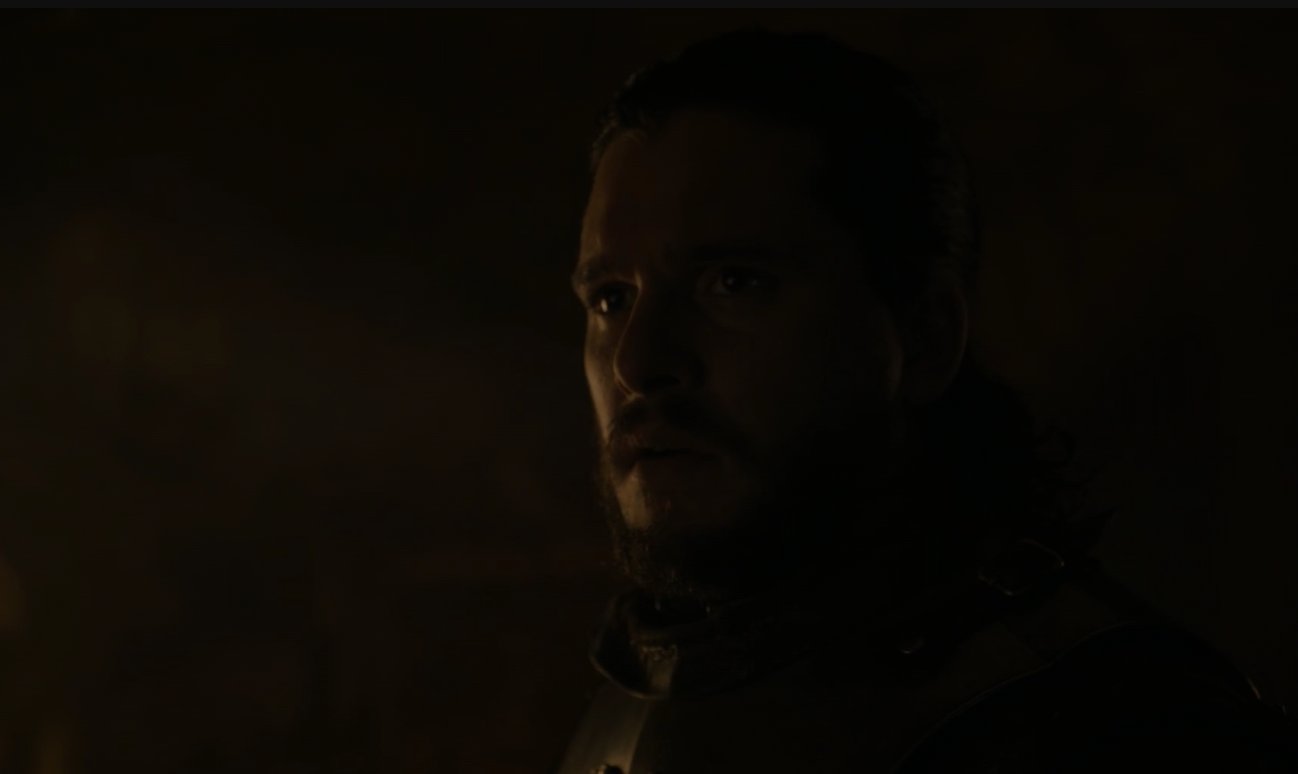
The grim and often brutal nature of Game of Thrones stems from its commitment to portraying a realistic, medieval-inspired world, where power struggles are vicious and consequences are often dire.
The world of Westeros often feels relentlessly bleak, doesn’t it? We often hear the question, “why is game of thrones so dark?” It’s a question that lingers long after the credits roll, and it’s one we’ll explore.
This darkness isn’t just a stylistic choice; it’s a deliberate reflection of the show’s core themes. The constant battles, betrayals, and deaths paint a picture of a harsh reality.

Why is Game of Thrones So Dark?
Game of Thrones, the epic fantasy series, captivated audiences worldwide. But it wasn’t just the dragons and magic that drew people in; it was also the show’s often grim and brutal nature. Many viewers found themselves asking, “Why is Game of Thrones so dark?” It’s a valid question, and the answer is multifaceted, delving into the show’s storytelling, characters, and the very world it created.
A World Without Clear Heroes and Villains
Unlike many fantasy stories that present a clear-cut battle between good and evil, Game of Thrones intentionally blurs these lines. The show doesn’t give us perfect heroes or purely evil villains. Instead, we encounter a cast of characters with complex motivations, flaws, and often, questionable actions. This moral ambiguity is a key factor in the series’ overall darkness.
Characters with Flaws
Think about some of the central characters:
- Ned Stark: Initially presented as the honorable hero, his rigid adherence to his principles leads to his downfall. This shows that even good intentions can have terrible consequences.
- Jaime Lannister: He begins as a villain, the Kingslayer, but develops into a much more complex and even sympathetic character, demonstrating that people can change and that first impressions can be misleading.
- Daenerys Targaryen: She is introduced as a kind and compassionate ruler, but later in the series, she descends into tyranny. This makes us question the nature of power and the corruption it can bring.
- Cersei Lannister: While often portrayed as a primary antagonist, she has understandable motivations, like protecting her children, which makes her more than just an evil queen.
The characters’ complicated moral compasses reflect the world they live in: a world where power struggles are constant, and where personal gain often comes before the well-being of others.
Political Intrigue and Backstabbing
Game of Thrones is more than just a fantasy epic; it’s a political thriller. The struggle for the Iron Throne is a constant, and the show highlights the ruthlessness of political maneuvering. This aspect contributes heavily to the show’s overall dark tone.
Deception and Betrayal
The series demonstrates how people will use manipulation, lies, and even violence to get ahead in the game of thrones. The constant backstabbing and scheming create a sense of unease and distrust, making the viewer question everyone’s motives. It is hard to feel safe, knowing that a character might be plotting against another.
- Alliances are Fragile: Characters frequently switch sides, betraying promises and loyalties. No friendship is guaranteed to last.
- Information is Power: The control of information plays a major role in the power dynamic. Those who know secrets have an advantage, leading to deceitful actions.
- Political Marriage: Marriage is not about love but about political gain. People are used as pawns in a larger game, often leading to unhappiness and tragedy.
These political games, often featuring characters you might come to appreciate, are often won through cruel methods. This is a consistent theme that makes the show dark.
The Reality of War and Violence
Game of Thrones doesn’t shy away from showing the brutal realities of war. Unlike some fantasy shows that glamorize battles, Game of Thrones depicts the graphic consequences of violence, making it a difficult watch at times. This commitment to realism adds to the show’s darkness. It is not just about sword fights; it is also about the human costs.
Consequences of Combat
The show portrays that war isn’t clean or glorious. It involves suffering, death, and destruction. We witness:
- Graphic Injuries: Characters are shown with realistic wounds and consequences of battle, reminding us of the physical toll of violence.
- The Innocent Suffer: Civilians are often caught in the crossfire, becoming victims of war. This emphasizes the human cost of conflicts.
- Psychological Trauma: Characters grapple with the emotional scars of violence, highlighting the lasting effects of war.
By displaying the brutal reality of combat, the show challenges the idea that war is simple. Instead, viewers are shown that violence brings suffering to everyone affected, whether soldiers, civilians, or families.
Themes of Loss and Mortality
Game of Thrones is a show where no character is safe. The constant threat of death creates a sense of tension and uncertainty. The show’s willingness to kill off even major characters adds to the darkness and challenges the typical narrative structures. This focus on the inevitability of death is a core element of the show’s darkness.
Unpredictable Deaths
Unlike many other narratives where protagonists are typically protected, Game of Thrones regularly eliminates beloved characters, often when you least expect it. This:
- Creates Tension: Viewers are always on edge, wondering who might be the next to die. This makes the viewing experience far more suspenseful.
- Highlights Mortality: It reminds the audience that no one is truly safe. Death is a natural part of the world, and not something that only happens to side characters.
- Emotional Impact: The loss of characters, who the viewers may have become emotionally invested in, often has a powerful and sad impact.
These unexpected and often tragic deaths contribute to the feeling that the world is dangerous and that life is not always fair. The unpredictable nature of death adds to the overall sense of darkness.
Moral Grayness and the Absence of Divine Intervention
In many fantasy stories, there’s a clear sense of divine justice or some sort of higher power that can right wrongs. Game of Thrones, however, operates in a world where gods are mostly distant or absent, and where moral ambiguity often prevails. The absence of a clear moral compass contributes to the show’s bleak tone. Characters must navigate a world where actions have real consequences and where there is no guarantee that good will triumph.
No Divine Help
The gods are not directly involved in the daily affairs of the people, which often means the characters must depend on their own decisions. The show explores:
- The Problem of Evil: The show doesn’t provide easy answers about why bad things happen to good people. This mirrors real-world complexities about morality and justice.
- Human Actions Matter: Without intervention from above, characters must bear the consequences of their choices, good and bad. This creates a sense of responsibility and accountability that can be both empowering and terrifying.
- The Lack of Guarantees: There’s no guarantee that actions based on morals will result in a good outcome. This makes it difficult to know what’s right or wrong, contributing to the feeling of darkness.
The show presents a world where actions have consequences, and where good is not always rewarded, adding to its morally gray and often bleak tone. This realism sets it apart from more traditional fantasy narratives.
Exploration of Cruelty and Human Depravity
Game of Thrones doesn’t shy away from showcasing the darker aspects of human nature. It explores themes of cruelty, sadism, and the depravity that humans are capable of, further contributing to the show’s dark atmosphere. The show explores difficult themes, revealing some of the worst things people can do to one another.
Examples of Cruelty
The series shows many examples of cruelty and depravity:
- Torture and Sadism: Characters are shown torturing and inflicting pain on others for their own pleasure. This makes for disturbing scenes that can be difficult to watch.
- Oppression and Abuse: The show highlights how people in positions of power abuse and oppress those below them. This is seen with slavery and the way some lords treat their people.
- Betrayal and Treachery: Characters frequently betray each other in cruel ways, often causing great emotional pain.
These examples of extreme cruelty demonstrate how dark and brutal the show’s world can be, and makes it challenging for viewers to not feel disturbed. These moments emphasize how dark human nature can be.
The Realistic Depiction of a Medieval World
Game of Thrones is set in a fictional world inspired by medieval times, and that time period was, by all accounts, dark. The show aims for realism in portraying the hardships, societal structures, and limitations of life in this era. This historical grounding, despite being in a fantasy world, adds to the show’s darkness, as it highlights the grim realities of the past.
Life in the Middle Ages
The show often includes:
- Harsh Living Conditions: People struggle with poverty, disease, and limited access to resources. This is especially true for common folk in the show.
- Social Inequality: The disparity between the rich and poor is extreme, with the wealthy living in luxury and the poor living in squalor. This social inequality mirrors historical examples.
- Limited Rights: Women often have limited rights and are treated as property, and people in lower social classes are often at the whim of the powerful. The restrictions on freedom and equality add to the overall grim tone.
By portraying these harsh realities of medieval-like life, Game of Thrones reinforces the idea that the world it depicts is not a fairy tale, but rather a place of difficulty and struggle. This realism is a major contributor to the show’s darkness.
Game of Thrones, though a captivating spectacle, is undeniably a dark series. The absence of clear heroes, the brutal depiction of war, the themes of loss, and the constant political intrigue all contribute to its somber atmosphere. This darkness, while sometimes challenging, is also what makes the show so compelling. It forces us to confront the complexities of human nature and the harsh realities of the world, both real and imagined.
Everything Too Dark For Game of Thrones Season 1…
Final Thoughts
Game of Thrones explores a world where morality is gray, characters face constant threats, and death feels inevitable. This harsh realism, paired with complex political intrigue, contributes to its overall dark tone.
The show features graphic violence and depicts characters making terrible choices. These elements aren’t gratuitous; they emphasize the brutal nature of the world.
Ultimately, the consistent bleakness and constant struggle to survive answer the question: why is game of thrones so dark. The show presents a world where hope is fragile, and power corrupts, making its grimness a defining feature.

