
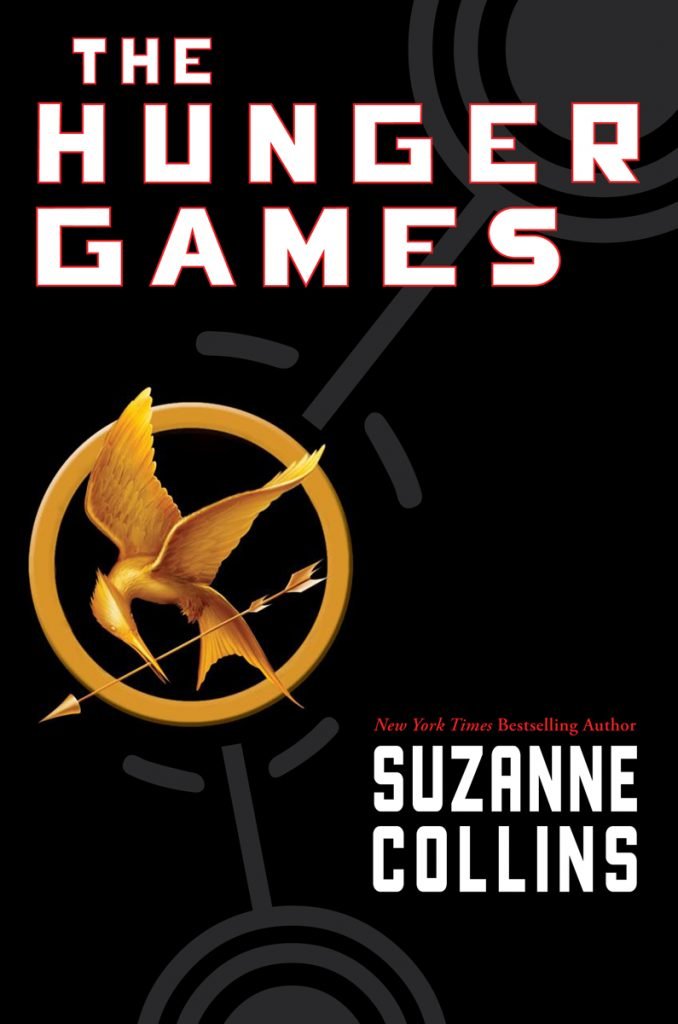
The Hunger Games faces bans primarily due to its violent content, themes of oppression, and perceived anti-government messaging, making some find it unsuitable for younger readers.
Why is Hunger Games a banned book? This question sparks debate among parents, educators, and readers alike. The book’s intense depiction of a dystopian society, where children fight to the death, understandably raises concerns about its appropriateness. Many object to the violence, social commentary, and the story’s challenges to authority. Some argue these elements are crucial for engaging in discussions about important societal issues, while others worry about the impact on impressionable minds.

Why is The Hunger Games a Banned Book?
The Hunger Games trilogy, written by Suzanne Collins, has captivated millions of readers around the world. But this popular series has also faced significant controversy, leading to its frequent appearance on banned book lists. Let’s explore the reasons behind these challenges and understand why some people believe this story is not appropriate for all readers.
Violence: A Core Concern
One of the most common reasons for banning The Hunger Games is its depiction of violence. The core premise of the story involves children and teenagers being forced to fight to the death in a televised spectacle. This brutal reality is described in detail, including the injuries and psychological toll it takes on the characters. Opponents argue that this level of violence is too graphic for young readers, potentially desensitizing them to real-world cruelty. Specifically:
- The Games themselves: The constant threat of death, the physical confrontations, and the use of weapons are considered overly violent for younger audiences.
- The descriptions of injuries: Collins doesn’t shy away from portraying the graphic results of the battles, which some find disturbing.
- Psychological trauma: The emotional and mental suffering the characters endure is considered upsetting for some parents and educators.
For example, the detailed descriptions of the injuries sustained during the Games, including Katniss’s own wounds, and the deaths of other tributes, are often cited as reasons for concern. Parents and educators worry that young children might not be able to process this kind of material in a healthy way.
Dark Themes and Social Commentary
Beyond the violence, the books grapple with complex themes that some find inappropriate for younger audiences. The Hunger Games is not just an action story; it’s a commentary on power, oppression, inequality, and manipulation. These themes, while important, can be challenging for some children to process, and parents may not believe their children are ready to understand these issues.
Oppression and Government Control
The story features a dystopian society where the government, the Capitol, maintains power through fear and control. The districts are oppressed, forced into poverty, and are at the mercy of the elite. This theme can lead to discussions about injustice and rebellion, which can be uncomfortable or seen as subversive to some.
Class Warfare and Inequality
The stark contrast between the wealthy Capitol and the impoverished districts highlights economic and social inequality. This disparity is a central point of the narrative, prompting readers to consider the unfairness present in the story. Some believe that these themes are too complex and may confuse younger readers, or that they are unsuitable for children who haven’t yet developed critical thinking skills about these topics.
Propaganda and Manipulation
The Capitol’s use of propaganda to control and manipulate the population is a prominent aspect of the books. This can lead to conversations about media literacy, misinformation, and the way governments can twist the truth to their advantage. Some people may not think that children are ready to consider these mature themes.
Age Appropriateness: A Key Debate
The question of age appropriateness is at the heart of the debate surrounding The Hunger Games. While many young adults and teenagers have engaged with the books and find them compelling, many people feel it’s not suitable for younger children.
Developmental Maturity
The violence, complex themes, and emotional depth of the story require a certain level of maturity to process properly. Some parents worry that children who are not emotionally or cognitively ready might be upset or confused by the books. Some experts even argue that engaging with such content too early may be harmful.
Parental Concerns
Many parents feel they should have the final say in what their children read, particularly concerning sensitive content like violence, oppression, and manipulation. Concerns may also arise due to differences in the values of the parents and the content of the book, leading parents to advocate for limiting access to these books.
Differing Opinions on YA Literature
Young adult (YA) literature sometimes includes content that tackles complex issues head-on. The Hunger Games is a prime example of this. There are varying perspectives on whether such topics are suitable for younger readers. Some people believe that children must be shielded from difficult realities for as long as possible, while others think that exposing children to the struggles of the world through literature is a valuable way to teach empathy and promote critical thinking.
Challenging Authority and Rebellion
The Hunger Games features characters who actively rebel against the established authority, particularly Katniss Everdeen, who becomes the symbol of the revolution. This rebellion and the questioning of authority is something some people find concerning, believing it might lead to disrespect for rules and institutions. These people worry that the books might influence younger minds to challenge authority, perhaps without a full understanding of the consequences.
- Questioning of Rules: Katniss and other characters regularly violate rules in the book to survive or fight the government. These behaviors are looked on as rebellious and sometimes not the best example for young kids.
- Promoting Dissent: The overarching narrative of The Hunger Games is about overthrowing the Capitol and fighting for freedom. This theme could be concerning for people who believe that children should not question authority.
Misinterpretation and Context
Sometimes, people may misunderstand the purpose and meaning behind the books’ themes. The Hunger Games is a fictional story that explores important real-world issues like violence, poverty, and political control. It is not intended to be a how-to guide for rebellion or to celebrate violence.
Reading Comprehension
For some readers, particularly young ones, the more complex messages in the books might be missed, and they might focus only on the violence. Therefore, some believe that it is important to consider whether all readers have the necessary skills to fully grasp the author’s intentions.
Discussion is Key
Many people believe that the best way for children to understand complex books is to discuss them with adults or educators who can provide guidance and clarify the key themes and ideas. Without appropriate discussion, some readers might struggle to appreciate the story’s nuances and might misinterpret the message. This point is also relevant when we discuss the difference between being able to read the words and understanding the meaning behind them.
Different Values and Perspectives
Finally, the debate about whether The Hunger Games should be banned is often rooted in different values and perspectives. What one person considers acceptable or valuable content, another might consider harmful or inappropriate. These differences are influenced by various factors, such as:
- Cultural Background: Different cultures may have varied views on topics like violence, authority, and rebellion, and how these should be portrayed in children’s literature.
- Personal Beliefs: Personal moral and ethical beliefs can strongly influence how a person reacts to the themes and content in a book.
- Political Views: People’s political leanings can influence how they perceive the books’ themes of social inequality and government control.
The Importance of Choice and Access
While some people want to limit access to The Hunger Games, it’s important to remember the value of allowing readers to make their own choices. Reading widely and encountering different perspectives can help young people develop critical thinking skills and become more empathetic adults. Here are some things to think about regarding book access:
- Promoting Dialogue: Rather than banning books, many people think it’s better to use them as starting points for meaningful discussions between parents, educators, and children.
- Intellectual Freedom: The freedom to read and explore ideas is a key element of a democratic society, and banning books limits this freedom.
- Developing Empathy: The Hunger Games, with its strong characters and complex themes, can help readers develop empathy and understanding for people who have different life experiences.
The Impact of Banning Books
Banning books, or removing them from libraries and classrooms, is a serious action with lasting consequences. It means that some people have decided that nobody else should read that story, which limits readers’ ability to learn and grow through books. Some harmful effects of banning books include:
- Limiting Access: Taking away a book limits access to ideas and different views on how the world works.
- Silencing Voices: When stories are silenced, it stops voices from being heard, even if they have important things to say about our world.
- Preventing Discussion: Limiting access prevents discussions that are important for critical thought and understanding.
The argument about The Hunger Games brings up a bigger question about what kinds of stories we let children read. It’s important to remember that every book has something to offer. While we should be careful about the kinds of content young children might encounter, we should also let older children have the chance to read stories that challenge them and help them see the world in new ways. By banning books, we might be losing important opportunities to learn and grow.
The Hunger Games: The REAL Reason Behind Its US Ban
Final Thoughts
The Hunger Games faces bans due to its violent themes and dystopian setting. Many find the book’s depiction of societal control and children killing children disturbing. This content sparked concerns about age appropriateness and the potential desensitization of young readers.
Challenges highlight the intense subject matter regarding survival. Parents and educators question if this type of material is suitable for all ages. The core of the matter revolves around, why is hunger games a banned book and its impact on youth. The book certainly must not be taken lightly.

