
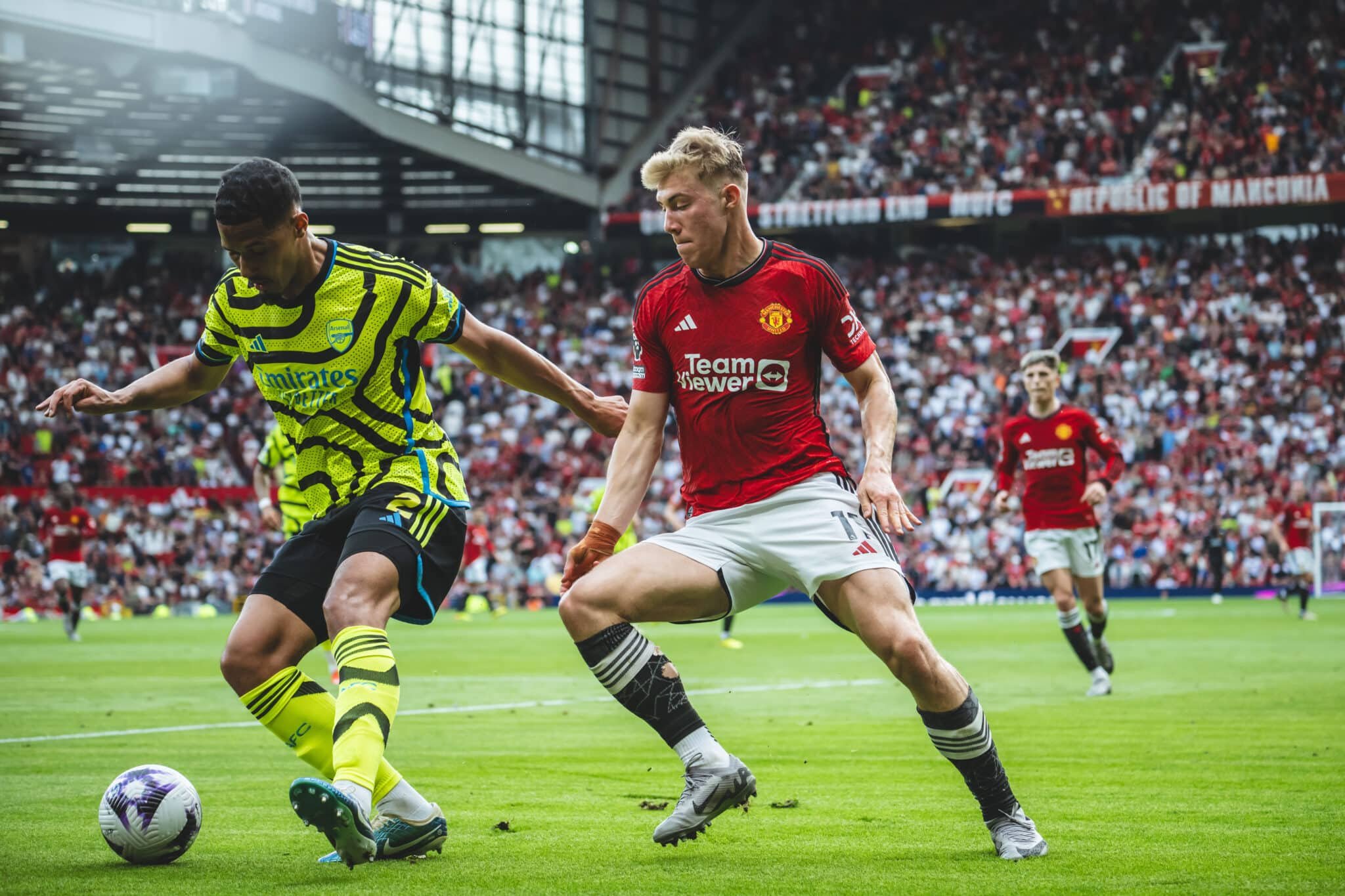
La Liga schedules many midweek games primarily to accommodate the congested football calendar, including European competitions, and to maximize television revenue.
Have you noticed the seemingly endless stream of La Liga matches lately, often disrupting your weeknight plans? It might leave you wondering, why is La Liga playing so many midweek games? Well, this isn’t just random scheduling.
The packed football calendar, featuring Champions League and Europa League fixtures, necessitates these frequent midweek slots. Also, television broadcasting schedules play a huge part in determining when games are played, pushing more matches into the week.

Why is La Liga Playing So Many Midweek Games?
If you’ve been tuning into La Liga lately, you might have noticed something: a lot of games seem to be happening in the middle of the week, not just on the weekends. It can be a bit confusing! So, why is this happening? It’s not just random; there are a few good reasons why La Liga, Spain’s top football league, packs its schedule with these midweek fixtures. Let’s dive into what’s going on behind the scenes.
The Influence of European Competitions
One of the biggest reasons for midweek La Liga matches is the presence of European club competitions. These are tournaments like the Champions League and the Europa League, where the best teams from different European countries compete against each other. Spanish teams often do very well in these competitions, which is great for Spain and the clubs, but it makes scheduling very complicated. Think of it like trying to fit puzzle pieces together; you need to make sure everything fits without overlapping.
Champions League and Europa League Scheduling
The Champions League and Europa League matches typically take place on Tuesday, Wednesday, and Thursday evenings. When Spanish teams are involved in these games, their La Liga matches must move. This means that they often have to play a league game either the weekend before, or sometimes, the midweek after their European tie. This can create a lot of midweek games, as many teams are involved in European football, and the whole league schedule has to accommodate their needs.
- Champions League: Involves the very best teams from European Leagues. Matches usually take place Tuesdays and Wednesdays.
- Europa League: The second tier of European competition, also involving teams across the continent. Matches are usually on Thursdays.
For example, if Real Madrid has a Champions League match on a Tuesday, their La Liga game for that week will probably have to be moved to a Wednesday or Thursday night. This chain reaction moves other matches as well, leading to more midweek soccer.
Television Broadcasting Rights and Revenue
Another important factor in the rise of midweek La Liga games is the power of television. TV channels pay a huge amount of money for the rights to show La Liga matches, both in Spain and around the globe. They want to have games on the screens as much as possible, since it is more money for them and the clubs! Midweek slots offer additional opportunities to broadcast matches and, in return, create revenue for the league, clubs, and broadcasters.
The Demand of Global Audiences
La Liga has a large following, not just in Spain but across the entire world. Time zones are different in different parts of the world. Some fans might not be able to watch matches easily if they only occur on weekends. By having some matches midweek, there are more chances for people around the globe to tune in. This leads to more eyeballs on the game and more money from advertisements and subscriptions.
Maximizing Viewership
Broadcasters carefully schedule games to get as many viewers as possible. They analyze when people are most likely to watch and adjust the schedule as needed. Sometimes, the best time for international audiences is a midweek slot, even if it is not a convenient time for Spanish fans who might need to get up early for work or school after watching the match. The league needs to balance the needs of international and local audiences and that’s another reason for all the midweek action.
Coping with a Condensed Schedule
Sometimes, circumstances happen that mean a bunch of games need to be moved or rescheduled all at once. One of the main culprits is the FIFA and UEFA international calendar. When national teams have matches, the La Liga schedule has to take a break. When these breaks are over, the league needs to catch up, which often means cramming matches into the midweek.
International Breaks
During international breaks, the best players leave their club teams to play for their countries. This can cause a problem with the La Liga schedule because these players are not available to play in their club matches. When the international period ends, clubs need to play many games within a short timeframe. In these situations, it makes sense to schedule games throughout the week.
Weather and other Potential Issues
Weather and other unforeseen circumstances can cause games to be postponed which can put additional strain on the schedule. If a match is called off because of bad weather, like heavy snow or storms, it needs to be moved to a new date. Usually, these rescheduled matches end up taking place during the midweek, adding to the number of games.
The Impact on Players and Fans
All these midweek games have an impact on both the players and the fans. For players, playing so many games so close together can be physically demanding. It can lead to increased fatigue and risk of injuries. Clubs have to carefully manage their squad and rotate players to keep them fit. The amount of travel for some clubs, that are also playing European Football, can be quite taxing, they need to travel across Europe and then have to play matches just a few days later in Spain.
Player Fatigue and Injury Risk
The shorter the amount of time between matches, the less time players have to recover. That is why injuries can happen easier. Teams are constantly trying to manage the players’ work, travel, and recovery schedules so they are healthy and ready to play each week. The congested schedule also means that there is very little training time between matches, as clubs are mostly focused on traveling, resting and recovering from previous games.
The Challenge for Supporters
Midweek games aren’t always easy for fans. If a match is on a Tuesday or Wednesday night, that could mean supporters have to rush after work or school to attend matches, or have to struggle to get transport home from late evening matches. It also makes it more complicated for fans that may have to travel to see their team. It can be expensive and take time to go to a game mid-week. Some supporters have to make big sacrifices to get to the matches. It does help that the league and clubs are very conscious of this, and try to accommodate all the needs of supporters as best they can.
Financial and Competitive Balance
The scheduling of La Liga games is not just about fitting everything in. It’s also about how the league maintains its financial success, and helps create a balance between the different clubs. Some teams are richer than others, but all the clubs need to compete on the field.
Revenue Generation and Fair Play
By having more games at different times during the week, the league can try to bring in more money. These are revenues that they then can use to further improve the league, and improve the financial power of all the clubs, even the ones that are not that rich. They all get a fair share of money so that they can compete at the top level. All the Spanish clubs also have to be aware of Financial Fair Play rules that try to ensure clubs do not overspend and operate on a sustainable basis.
Competitive Integrity
The league tries to ensure that there is a high level of competitive integrity. That means ensuring that the schedule is as fair as possible for all clubs, and that there is not one team that has a clear advantage over another. It is a difficult task, as some teams have more commitments in Europe than others. It requires a lot of planning and compromise from all parties.
A Complex Juggling Act
In summary, the reason La Liga has so many midweek games is because of a mix of factors. European competitions, the demands of TV, the need to reschedule games, and the desire to maximize revenue all contribute to this complex scheduling situation. Balancing the needs of clubs, players, fans, and broadcasters is a complicated task, and as a result, there are a high number of matches happening midweek. The clubs and the League are constantly working together to come up with the best solutions for everyone. It certainly looks like midweek games are a part of the modern La Liga schedule, and they will likely remain a common occurrence.
The scheduling of La Liga games is a complicated balancing act between various factors. It shows just how important football is in Spain and the huge organization that is needed to keep everything moving smoothly. While all these midweek games can be a bit disruptive to the weekly routine of fans, these factors are essential to keep the La Liga League running successfully.
أحسن ملاعب القرب
Final Thoughts
La Liga schedules many midweek games to accommodate various competitions. European fixtures, such as Champions League and Europa League, influence league match dates. Television broadcast contracts also play a key role in scheduling games.
These factors combine, necessitating midweek games. The league must manage fixture congestion. Therefore, “why is la liga playing so many midweek games” boils down to a complex interplay of competition, broadcasting, and fixture management, and must account for these factors.

