
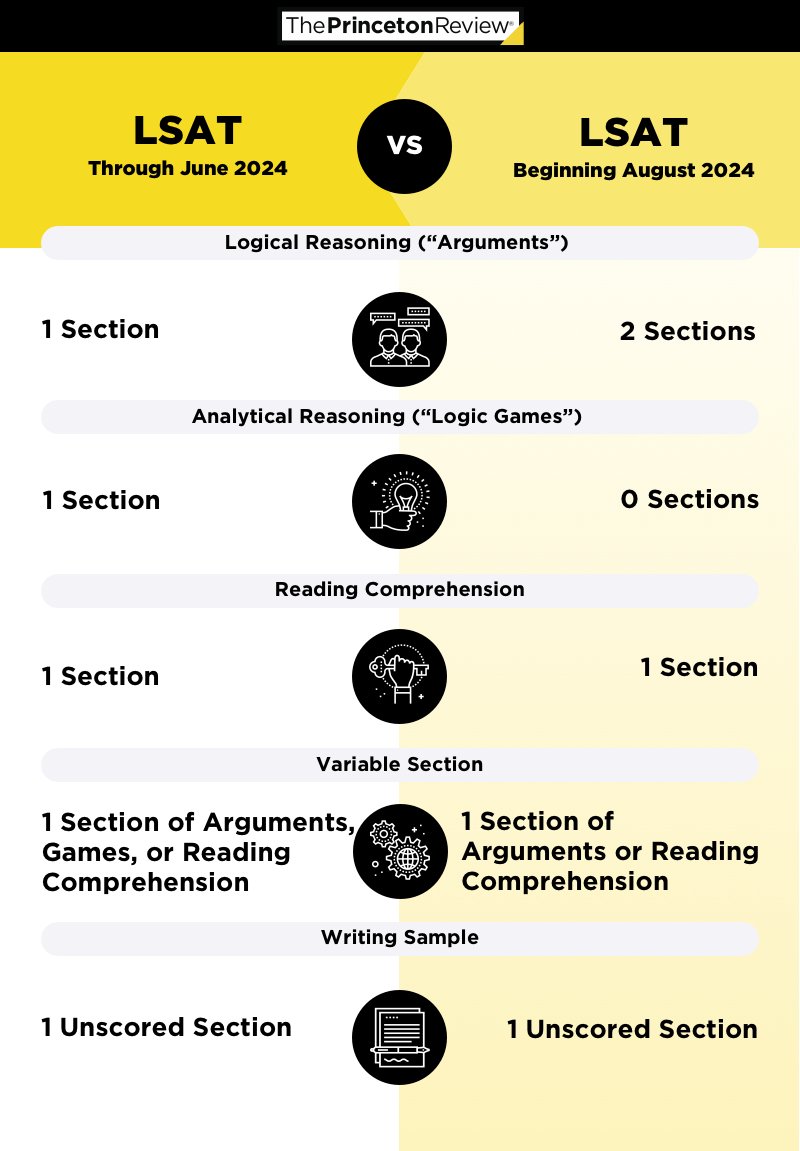
The LSAT is removing logic games to broaden the assessment of reasoning skills, moving beyond a format considered by some to favor specific test-taking strategies over core analytical abilities.
The LSAT is changing, and many prospective law students are asking, “why is lsat removing logic games?” This significant shift has sparked considerable discussion, and it’s understandable to feel uncertain about how this will affect your preparation.
The Law School Admission Council decided on this change after studies showed the games section may not be the fairest measure of the critical reasoning skills that are essential in legal studies. They want the test to better reflect abilities applicable to a wider variety of law school settings.

Why Is LSAT Removing Logic Games?
The Law School Admission Test (LSAT) is a big deal for anyone hoping to go to law school. For many years, one of its most talked-about sections was the Logic Games section, also known as Analytical Reasoning. But that’s changing! Starting in August 2024, the LSAT will no longer include Logic Games. This change has caused lots of questions and discussions. So, let’s dig into the reasons behind this major shift and see what it means for future law students.
The Core Issue: Concerns About Fairness and Accessibility
For a long time, people have wondered if the Logic Games section of the LSAT was truly measuring the skills needed to succeed in law school. Some believed that this section gave an unfair advantage to people who were already good at thinking in a very specific, structured way. This ability, it was argued, wasn’t necessarily connected to one’s capacity to study and practice law. The heart of the debate is if the games section really did assess reasoning abilities applicable to legal studies, or if it just rewarded people who practiced a certain type of problem-solving regularly.
The Argument for Skills Mismatch
Many critics have long argued that the skills tested by Logic Games – diagramming relationships, making deductions based on strict rules, and quickly recognizing patterns – are not the same as skills that students use in law school or the legal profession. Law school work usually involves reading complex texts, understanding complicated arguments, and presenting your own reasoning clearly. These tasks often don’t require the precise, formulaic approach used in the Logic Games section. Critics suggest this mismatch created a testing hurdle that wasn’t indicative of true legal potential.
Accessibility Concerns
Another major reason for the change is the concern about fairness and accessibility. The specific strategies used to succeed at logic games, like diagramming and pattern recognition, often require dedicated practice and expensive preparation courses. This can create a situation where individuals with fewer resources have a disadvantage. Many felt that this made the LSAT a less equitable testing ground. Some argue that those who had access to high-quality, costly LSAT prep courses had a significantly better shot at excelling on the Logic Games section, giving them an edge from the start.
It’s a known fact that some learning differences might also present more challenges to the way logic games are tested. These could include certain reading and processing speeds. Some believe the format isn’t suited for people who think differently than those who often excel in Logic Games, making the exam potentially biased in the process.
The Settlement Agreement: A Turning Point
The decision to remove Logic Games from the LSAT wasn’t solely based on educational philosophies. It was largely influenced by a settlement agreement with a blind test-taker, Angelo Binno, and the National Federation of the Blind. This case was filed in 2019 with the claims that the games section was inaccessible and discriminatory against individuals with visual impairments. Binno contended that the visual format of the games made them especially challenging for blind test-takers to complete fairly, even with accommodations like extra time. The settlement agreement reached in 2023 formalized the need to eliminate the Analytical Reasoning section.
Specific Terms of the Settlement
The settlement between Binno, the National Federation of the Blind, and the Law School Admission Council (LSAC), which creates and administers the LSAT, included several important terms. Among these, the most notable was an agreement to eliminate the Logic Games section starting with the August 2024 administration of the test. This change was put in place to make the test fairer and more inclusive.
Impact on the LSAT’s Structure
The change means the LSAT will now have three scored sections: Reading Comprehension, Logical Reasoning, and a new scored section that will replace the Analytical Reasoning. There will be an unscored experimental section as well. Each scored section will carry an equal weight in scoring. There was a previous unscored, experimental section that might be one of the other sections mentioned or a brand new section.
The Replacement: What Comes Next?
So, if not Logic Games, what will take its place? The LSAT is not just eliminating a section; it’s substituting it with something else. The LSAC is in the process of creating and incorporating a replacement section that will test relevant legal reasoning skills, hopefully better mirroring the abilities needed for law school. The plan is that the new section will assess higher level reasoning skills that all students will be able to equally develop, irrespective of prior academic background or training. This new approach should test abilities such as analysis, reading comprehension and synthesis, along with critical thinking.
Focus on Reading and Reasoning
Instead of complex visual patterns, expect more emphasis on reading complex texts, understanding the nuances of arguments, and finding relationships between different concepts. The new section aims to assess how well a test-taker can break down and comprehend complex arguments, an ability essential for reading legal documents and case studies, and then think through these concepts.
Potential New Question Formats
While the exact format of the replacement section isn’t yet available at the time of this writing, LSAC has made some indications about the nature of the change. The goal is to test analytical skills in ways that are more accessible to all test takers. Potential changes might include more questions that involve analyzing complex arguments, drawing inferences, or evaluating the strength of evidence. There could also be more emphasis on recognizing and understanding logical fallacies in argumentation, a crucial skill for a practicing attorney. Expect more of an emphasis on analysis, reading comprehension and synthesis, and critical thinking skills.
How to Prepare for the New LSAT?
The removal of Logic Games means a significant shift in how students should prepare for the LSAT. It’s crucial to adapt study plans to focus on the skills that will be emphasized in the future, such as stronger reading comprehension and logical reasoning. Here are several tips to help students approach the altered examination:
- Double Down on Reading Comprehension: Practice reading dense texts from various sources. Work on identifying main points, arguments, and the author’s purpose.
- Sharpen Your Logical Reasoning Skills: Focus on understanding how arguments are structured and practice analyzing them. Learn to identify assumptions, conclusions, and the different parts of an argument.
- Take Mock Tests: As soon as available, take practice tests based on the new format. This will help familiarize you with the new section and get a feel for the new exam structure.
- Don’t Ignore the Old Materials: While Logic Games is gone, understanding logic concepts is still helpful. The skills of thinking logically can translate across other sections.
The Wider Implications of the Change
The decision to remove Logic Games has sent ripples through the legal education system. It has led to discussions about what skills truly matter for success in law school and in the legal field, and it’s making institutions think more about equity and accessibility in legal admissions.
A Shift in Focus for Law Schools
The change to the LSAT could prompt law schools to reevaluate the importance of certain skills in their admissions criteria. As schools shift to the new format, they may pay more attention to academic performance, recommendation letters, and personal essays that demonstrate a student’s ability to think critically and perform rigorous analysis. This adjustment could ultimately change the makeup of incoming law students. It might also motivate law schools to re-evaluate what’s being taught in their curricula.
Promoting Equity and Inclusion
One of the goals of the LSAT change is to create a fairer and more inclusive path to legal education. By removing a section that many deemed unfairly advantageous to certain groups, the LSAC is hoping that more diverse and qualified people will feel prepared and able to enter law school. This is a very important effort to increase social and economic equity in the legal profession.
The shift away from Logic Games represents an important step towards ensuring that the LSAT is a more balanced and accurate measure of a student’s potential to succeed in law school. It’s a development that’s likely to lead to a more equitable and accessible legal profession. Though change can be unsettling, these efforts are essential to creating a more just and representative legal community.
In summary, the removal of Logic Games is not simply about changing a test section; it’s about addressing long-standing concerns over equity, access, and the actual skills needed for the study and practice of law. While these changes will impact how students prepare for the LSAT, this update aims to create a more level playing field for all aspiring lawyers.
Major LSAT Changes – LSAC Removing Logic Games
Final Thoughts
The LSAT is removing logic games because they unfairly advantage certain test takers. This change aims to create a more equitable assessment. It must be understood that the analytical reasoning section posed access barriers.
LSAC wants to emphasize reading and reasoning skills. The removal simplifies exam prep for many. Now the test focuses on abilities essential for legal studies.

