
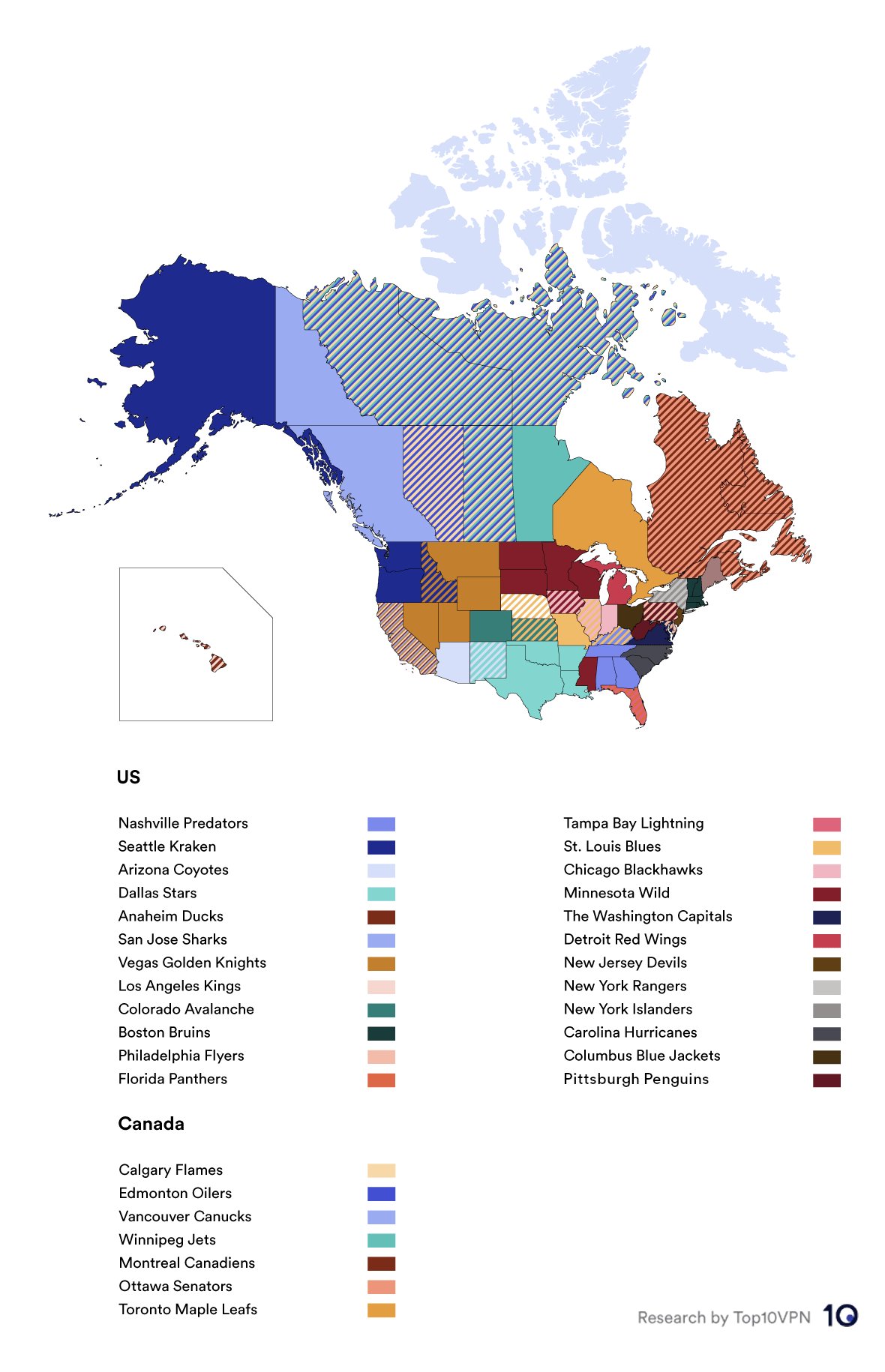
The Blackhawks game is blacked out due to broadcasting restrictions imposed by the NHL and its media partners, typically to protect local television rights.
Ever wondered why you can’t watch the Blackhawks game despite having cable? It’s a frustrating experience when the screen goes dark, and you’re left wondering, ‘why is the Blackhawks game blacked out?’ These frustrating blackouts happen because of complex agreements.
These agreements involve national and regional broadcasting rights. The NHL works with various networks and local channels. The league and media partners make sure to protect territorial exclusivity. Therefore, your viewing options might be limited even when you pay for cable.

Why is the Blackhawks Game Blacked Out?
It’s Friday night, you’re all set to watch the Chicago Blackhawks battle it out on the ice, but then you see it – a dreaded message on your TV screen: “This game is blacked out in your area.” What gives? It’s super frustrating, especially when you’re ready for some hockey action. Well, there are a bunch of reasons why a Blackhawks game, or any sports game for that matter, might be blacked out. Let’s dive in and see why this happens, so you can hopefully avoid this situation in the future.
Understanding Blackout Rules: The Basics
First off, blackouts aren’t just something that happen randomly. They exist because of contracts and agreements between different groups – like the hockey league (NHL), TV networks (like ESPN, TNT, and local stations), and cable/streaming companies. These agreements decide who gets to show what games and where. It’s all about money and making sure everyone gets a fair piece of the pie.
Territorial Rights: It’s All About Location
One big reason for blackouts is something called “territorial rights.” Imagine the Blackhawks own the right to broadcast their games within a certain area, kind of like they have their own little territory. If a national network like ESPN wants to show that same game in that territory, it’d be like stepping on the Blackhawks’ toes! So, to protect the local network’s rights (usually a regional sports network or RSN), the game is blacked out on the national channel in the Blackhawks’ home area. Think of it as keeping the home team’s broadcasters in business, since that’s where many of their fans are.
This “territory” can be surprisingly large and might include many cities or towns around Chicago. That’s why you might be close to the city, yet still not able to watch it on a national broadcast. It’s not just about distance from the stadium; it’s about these pre-agreed upon zones.
RSNs: The Local Channels
Regional Sports Networks (RSNs) are very important in the blackout equation. These are channels like NBC Sports Chicago that focus on local teams. They usually have the rights to show most of the Blackhawks’ games in the Chicago area. If a national channel is showing a game that’s also on your RSN, the national channel will be blacked out in your area, and that’s because your RSN already has the right to show the game locally. It is all about having those rights. If someone has the right, it’s very difficult for other to get the rights. They have a good strategy that ensures no other network or media channels get their hands on the game that they have already paid for.
Think of RSNs like local pizza places. If a national chain comes to town to try and sell pizza in the same area, the RSN already has the local business in place. The local RSN has a contract with the Blackhawks, so they don’t want people to watch the game from anywhere else.
Types of Blackouts and How They Work
Not all blackouts are the same. There are a couple of common kinds. Understanding these can help you figure out what’s happening with the Blackhawks game you are trying to watch.
National vs. Local Blackouts
National Blackouts: These happen when a game is shown on a national TV network, such as ESPN or TNT. If that same game is also available on your local RSN, then you will see a national blackout. This way, they are making sure you watch the local channel that paid for those rights. They are protecting their investments.
Local Blackouts: These occur when a game is only available on your local RSN, but is also broadcast by a nearby RSN. The game will be blacked out in the market of the nearby RSN, forcing you to watch your RSN feed. Sometimes, these can feel unfair, especially if you are in an area that’s between two different markets.
Specific Examples
Let’s see some examples of how this might play out:
- Scenario 1: A Blackhawks game is on ESPN nationally, but it’s also on NBC Sports Chicago. If you live in the Chicago area, the ESPN broadcast will likely be blacked out because NBC Sports Chicago has the local rights.
- Scenario 2: A Blackhawks game is only available on NBC Sports Chicago but also available on Bally Sports Wisconsin, if you live near the border you might face blackout as the Bally sports also have the right of it’s territory and they don’t want their customers to watch the game on other channel.
- Scenario 3: A Blackhawks game is on a streaming service that you subscribe to. if your internet providers have an agreement with RSN, you might still get a blackout if your RSN is showing the same game.
Why Are These Rules in Place?
It might seem like blackouts are designed to annoy fans (and sometimes, it does feel that way!). However, they have legitimate business purposes:
- Protecting local broadcasters: RSNs pay lots of money for the rights to broadcast games locally. Blackout rules help them make sure they get viewers, which helps their business stay healthy.
- Increasing attendance: Blackouts may encourage more people to go to the game in person, boosting ticket sales for the team. The teams want people to be in the arena watching games too, as that generates revenue for them.
- Maintaining value of broadcast rights: By controlling where games are shown, the leagues and networks protect the value of these valuable broadcast rights. If every game was available everywhere, the contracts would be worth much less.
Navigating Blackouts: What Can You Do?
Now that you understand why blackouts happen, here are some things you can do to try to avoid them:
- Subscribe to a streaming service with your RSN: This is a more expensive solution but provides access to most games. However, even these services can have blackouts depending on your region.
- Use a VPN (Virtual Private Network): This is a more technical solution. However, it’s not always reliable, and they can be a bit complicated to setup.
- Go to the game: If you live near Chicago, going to the United Center is a great way to see the Blackhawks in person. It is always the best solution when possible.
- Attend a watch party or local bar: These can be a fun way to watch the game with other fans, and you don’t have to worry about blackouts as the bar will have the right subscription.
- Check the schedule: Make sure you know which channel is showing the Blackhawks game beforehand, so you can avoid surprises at game time.
The Future of Blackouts
The world of sports broadcasting is changing quickly. With more streaming options, it’s possible that blackouts could become less common in the future. However, right now they are still a part of the sports watching experience. Leagues and networks are experimenting with new ways to deliver games to fans. It will be interesting to see how things play out over time. For now, it’s important to stay informed, and know all of the different rules that are in place.
Cord-Cutting and Blackouts
With more people cutting the cord, or getting rid of traditional cable, streaming has become more important. This change in how we watch TV is causing traditional blackouts to change as well. It makes things more confusing, but it also opens the door to new ways to watch sports. It’s an area where many changes are expected in the future.
The Role of Technology
New technologies are also playing a role in how we consume sports. Advanced streaming, better internet, and better apps are all changing the way we watch games. These technologies could help create more flexible ways to show sports, which may eventually lead to fewer blackouts.
Blackout Maps: Are They Accurate?
Sometimes, you might hear about blackout maps that claim to show you where blackouts will occur. These maps are good to get an idea, but they are not always completely accurate. These maps are also not official, and they are based on the info that is made available to them. Blackout areas can change depending on the game and the contracts. Always check the local listings on your TV before you assume you will not be able to watch the game.
Understanding Your Provider
It’s also a good idea to understand the local broadcast rights for your provider. Your cable or streaming provider should have a list of the local networks that are available to you in your area. Check with them about regional sports networks and how they operate. This way, you’ll be more likely to understand what games you can watch.
The Frustrations
We know that blackouts can be very frustrating! It’s hard to be excited about the Blackhawks and then not be able to watch them play. While the rules may seem unfair, it’s a business reality for professional sports. Keep looking for new options for viewing, and always double-check the listings.
Blackouts are part of the sports broadcasting world. While frustrating, they help local teams and broadcasters. Understanding why they occur can help you better navigate the situation and possibly avoid missing future Blackhawks games. Keep exploring options, and stay informed about the rules, and you will not miss another game!
Brawl Breaks Out Between Blackhawks & Ducks, Goalies Get Involved
Final Thoughts
Blackouts occur due to broadcasting rights agreements. Local networks have exclusive deals. If a national network also carries the game, the local feed blacks out. This protects the local station’s viewership.
“Why is the Blackhawks game blacked out?” The answer lies in these territorial restrictions. A must-have understanding for fans involves comprehending these contracts. This affects how and where games appear on television.

