
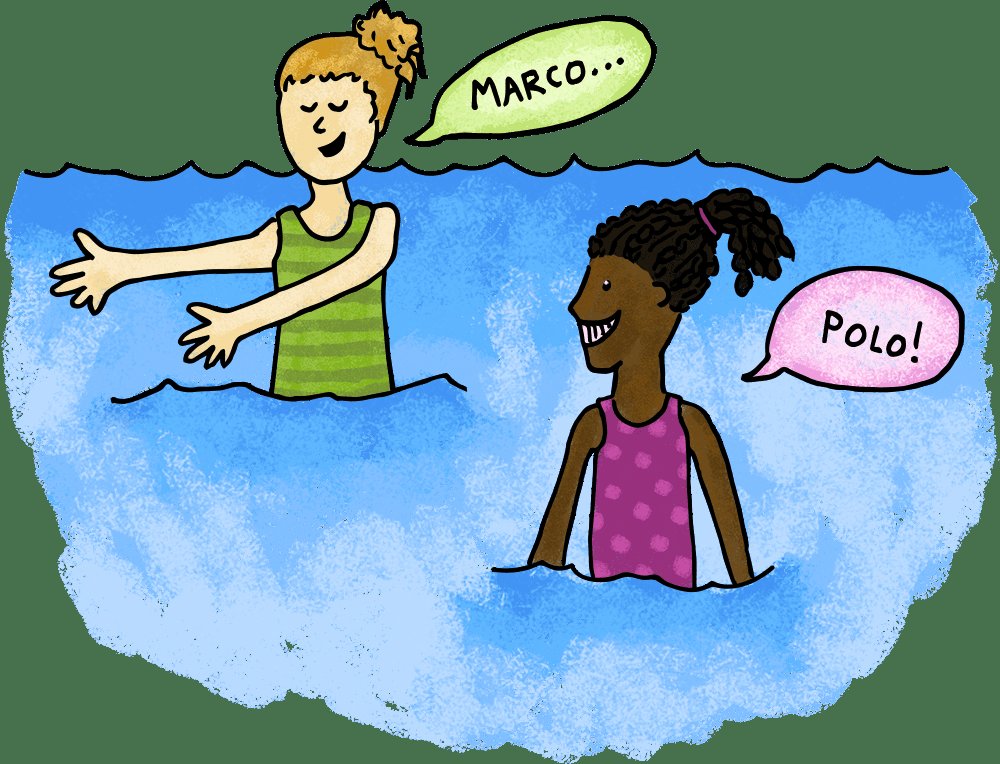
The game Marco Polo is called Marco Polo because it’s a playful adaptation of the famous explorer’s name, likely chosen for the way his voyages involved ‘searching’ and ‘calling out’ across distances, similar to the game’s mechanics.
Ever wondered about the origins of childhood games? The seemingly simple game of splashing around in a pool while someone calls out “Marco,” only for the others to respond with “Polo,” makes you stop and ask: why is the game Marco Polo called Marco Polo? It’s a question that may have crossed your mind while you were playing it with friends or while watching your kids play it.
The link between the game and the legendary explorer isn’t immediately clear. Yet, the name stuck with this popular tag variation, and many enjoy this timeless game. So, the simple act of calling “Marco” and “Polo” has a connection to a great explorer, which is just intriguing to many.

Why is the game Marco Polo called Marco Polo?
Ever splashed around in a pool, eyes squeezed shut, yelling “Marco!” and waiting for the inevitable “Polo!” reply? That’s the classic game we all know and love. But have you ever paused to wonder why it’s named after a famous explorer who travelled to Asia centuries ago? It seems like a strange connection, doesn’t it? Well, let’s dive deep and find out the real story behind the name. It’s a fascinating journey that takes us through history, fun, and a little bit of mystery. Get ready to explore the possible explanations for why this fun game earned the name “Marco Polo.”
The Legend of Marco Polo: More Than Just an Explorer
Before we unravel the connection to the game, let’s remember who Marco Polo actually was. Marco Polo was a Venetian merchant, explorer, and writer. Born in the 13th century, he embarked on an epic journey to Asia, travelling along the Silk Road with his father and uncle. His travels took him to China, where he spent many years serving the court of Kublai Khan. When he returned to Europe, he brought back stories of amazing riches, exotic lands, and cultures very different from what Europeans knew. His accounts became the famous “The Travels of Marco Polo,” a book that captivated readers for generations and made him a legendary figure. But how did this real-life explorer end up being the namesake of a pool game?
The “Blind Man’s Buff” Connection
One of the main theories suggests that “Marco Polo” is linked to an older game called “Blind Man’s Buff.” This game is also based on sound and a player that is blindfolded or has eyes closed. In “Blind Man’s Buff,” one person is blindfolded, and their goal is to catch the other players. The other players try to avoid being tagged. Can you see the link already?
How “Blind Man’s Buff” Relates to “Marco Polo”
Like the “blind man” in “Blind Man’s Buff,” the person who yells “Marco” in the pool is essentially “blinded” by closing their eyes. They rely on the sound of “Polo” to locate the other players. The chasing element of both games is also a common ground. Over time, it is believed that children may have adapted the game of “Blind Man’s Buff,” playing it in water and using the “Marco Polo” exchange instead of the typical interactions of “Blind Man’s Buff”. It might be that children, fascinated by the stories of Marco Polo, gradually began to link the explorer to the “blind” seeker in the game.
The Speculation: A Play on “Lost” and “Found”
Another idea connects the name to Marco Polo’s exploration. He was, in a way, “lost” in unknown lands and “found” his way back home. Think of the game. The “Marco” seeker is like someone lost, calling out in a confusing environment, trying to locate the other players who are hiding or moving around in the water. The response “Polo” is like a marker that helps the seeker find their way.
Marco Polo’s Adventures Mirror the Game
Marco Polo’s adventurous journeys are a narrative of discovery and navigation through the unfamiliar. Similarly, in the game, the person calling “Marco” navigates the water by sound, trying to “discover” or locate the other players, who respond with “Polo.” The idea that Marco Polo got “lost” in a faraway land and was eventually “found” might have inspired people to use his name for this game that includes an element of being “lost and found” too. This theory gives a fun and interesting interpretation of how the name came to be.
The Role of Folklore and Popular Culture
Sometimes, the reasons behind names can simply be because of how they sound and how they connect with popular imagination. It’s possible that, due to the fame of Marco Polo’s adventure stories, the name just stuck when playing this game. The name “Marco Polo” has a certain ring to it – it’s catchy, memorable, and adventurous. The name, whether logically connected or not, might have caught on simply because it was a fun and easy name for children to say while playing.
How Culture Shapes Names and Games
Think about it, names often become linked to games or activities because of popular culture. In history, many games and activities have taken up the name of people or places because of the popularity of that person or that place. It could be that somewhere along the line, children or someone just thought it would be a good idea to call this game “Marco Polo,” and that name just stuck. Children often have their own unique way of creating games and renaming them, and that might be how “Marco Polo” came to be.
The Lack of Definitive Evidence
It’s important to note that there is no single documented source that clearly states when or why the name “Marco Polo” became associated with this pool game. There’s no historical record showing exactly when and why children started yelling “Marco Polo” in the pool. The connection is therefore considered to be a theory, rather than a factual finding. That means we don’t know the exact origin, and there are several ideas of why it could be so.
The Mystery Adds to the Fun
Sometimes, a little mystery can make things even more interesting. The fact that we don’t have the real answer to why the game is called “Marco Polo” adds to its charm. It’s fun to think about the different theories and what makes them possible. Whether it’s the connection to “Blind Man’s Buff,” or the association with being “lost” and “found,” or if it’s just the catchy name and how it sounds, the name “Marco Polo” has become a staple in childhood.
Different Cultures and Different Names
It’s also worth noting that the game is known by different names in different countries. The name “Marco Polo” is predominantly used in English-speaking areas, and you will find that in other cultures and countries, the game is known with different names. This is another good point to add into the discussion on the name of the game. This helps us remember that what we call a game in one part of the world may be completely different in another.
A Global Game, Different Labels
This highlights how games evolve differently in different parts of the world, and shows us that there is more to this game than its name and origin. The variety in names and traditions only makes these games that much more colorful and interesting. This teaches us about the evolution of games and how they are integrated into the culture of a region. “Marco Polo” may be the name we know best, but there are so many ways to play the same game all around the world!
The Enduring Legacy of the Name
Regardless of the true origin of the name, “Marco Polo” has become an enduring part of this playful game. It’s a simple yet enjoyable way for children (and adults) to have fun in the water. The name itself adds to the experience, evoking a sense of adventure and exploration. You might not be exploring the Silk Road like Marco Polo, but this game allows for you to explore your own backyard or pool, and that is equally fun!
The Fun of “Marco Polo” Continues
The next time you play “Marco Polo,” take a moment to think about its name. Perhaps you’ll imagine yourself as an explorer, trying to find your way just like the real Marco Polo did. It’s a fun way to add a bit of imagination to a simple game. The combination of the shouting of “Marco,” and listening for “Polo” is the fun of playing “Marco Polo,” and it will continue to bring laughter and happiness for years to come.
Summarizing the possible explanations
Let’s go over the main ideas we’ve explored, here is the quick summary:
- Blind Man’s Buff Connection: Many believe the name came from the game, where a blindfolded person searches for others by sound. Marco Polo is essentially the blind person in the water, trying to find others with their eyes closed.
- Lost and Found Concept: Just like Marco Polo got lost in his adventures and found his way back, the game involves a player being “lost” with closed eyes and trying to be “found” by the other players.
- Catchy Name: The name may have just become popular because it sounded catchy and memorable, sticking to the game regardless of a connection to the explorer.
While there is no definite answer on why this game is called “Marco Polo,” there are a few possibilities that we have covered in this discussion. All of these possibilities are fascinating and add more intrigue to the game.
So, the next time you dive into a game of Marco Polo, remember the famous explorer and the interesting mystery behind this name. Perhaps one of these theories is the reason this game is called Marco Polo, or perhaps, there’s some other explanation out there that we haven’t thought of. Whatever it is, enjoy the fun and the game!
How to Play Marco Polo
Final Thoughts
The precise origin is murky, but the most popular theory suggests it’s named after the explorer. Marco Polo travelled to far lands, much like the game’s seeker who goes searching blindly.
This connection of blind search is why is the game marco polo called marco polo. The name adds a playful nod to exploration and adventure, making it an easy game to remember for kids. It’s a must understand reason behind the name!

