
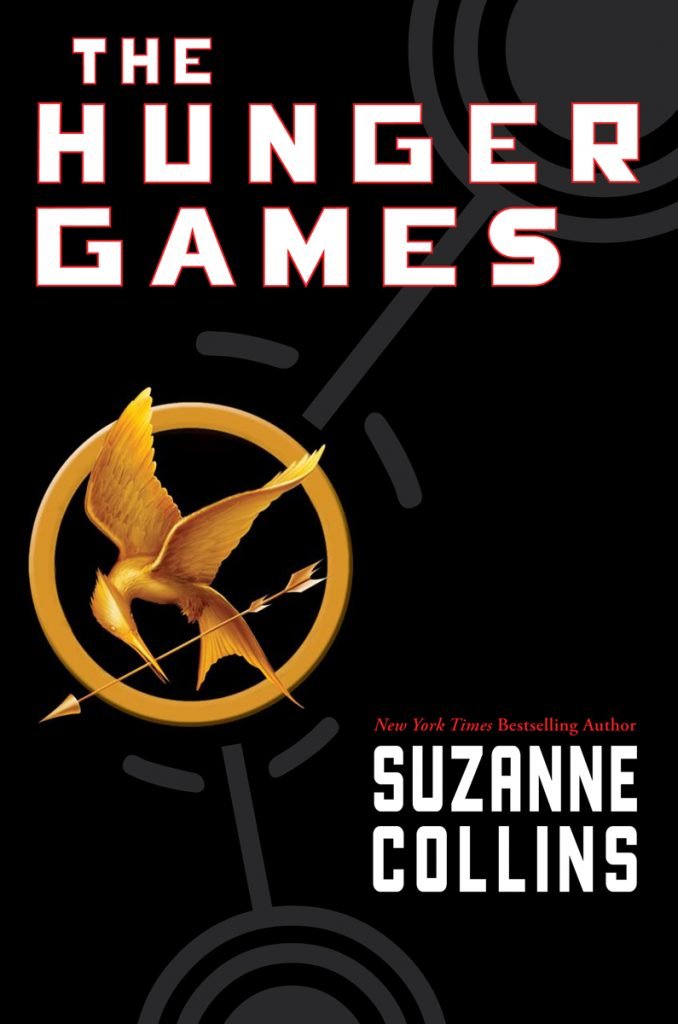
The Hunger Games book faces bans primarily due to its violent content, its themes of oppression and rebellion, and its suitability for young readers, leading many to question why is the hunger games book banned.
Have you ever wondered why some books spark such debate and controversy? The Hunger Games series, with its gripping narrative and complex themes, is one such example. Many schools and libraries have challenged or even banned it, raising a significant question: why is the hunger games book banned?
This is not just about dystopian fiction. The book contains scenes of violence and tackles serious topics that some find inappropriate for certain age groups. The discussions surrounding control and rebellion in the book have become a point of contention in some communities.

Why is The Hunger Games Book Banned?
The Hunger Games series by Suzanne Collins has captured the imaginations of
readers worldwide, but it hasn’t been without its controversies. The books,
set in the dystopian world of Panem, where children are forced to fight to
the death in a televised spectacle, have faced numerous challenges,
including attempts to ban or restrict them in various schools and
libraries. Let’s dive deeper into the reasons why some people find The
Hunger Games problematic.
Violence and Graphic Content
One of the primary reasons for the challenges against “The Hunger Games” is
its depiction of violence, especially violence against children. The central
plot revolves around the annual Hunger Games, where 24 tributes, aged 12 to
18, are forced into a brutal arena where they must kill each other to
survive. This premise alone raises red flags for many parents and educators.
The books don’t shy away from detailing the harsh realities of the arena.
While not overly gratuitous, they describe the brutal fights, injuries, and
deaths that occur, which can be disturbing for some readers, particularly
younger ones. These descriptions include:
- Graphic depictions of the tributes’ physical and emotional struggles.
- Instances of violence using weapons, traps, and hand-to-hand combat.
- The psychological impact of the games on the participants.
For some, this kind of content crosses a line, making the books seem
inappropriate for younger audiences. They worry that such depictions may
desensitize children to violence or create nightmares and anxieties. The
books’ critics argue that the emphasis on violence could be harmful,
suggesting that young readers might not be able to handle the themes
appropriately. This is often a concern when books involving violent or
aggressive content become popular among children and young adults. This
aspect is a core reason behind many of the bans and challenges the book
faces.
Mature Themes and Moral Complexity
Beyond the violence, “The Hunger Games” explores mature themes that can be
difficult for younger readers to grasp fully. The books delve into:
-
Oppression and control: The Capitol’s tyrannical rule over the districts is
a constant backdrop, highlighting themes of injustice and power. -
Social inequality: The stark differences between the wealthy Capitol and the
impoverished districts raise questions about fairness and social justice. -
Political manipulation: The books show how the media and propaganda can be
used to control populations, a complex topic for young minds. -
The cost of war: The series illustrates the devastating consequences of
violence and rebellion, both physically and psychologically. -
Survival and morality: Characters are forced to make difficult choices,
often blurring the lines between right and wrong.
These themes are not lighthearted and require a certain level of
understanding to navigate. Critics argue that younger readers might not fully
comprehend the nuances of these themes and that the books’ mature content can
be overwhelming. For example, the book examines moral ambiguity, such as when
Katniss has to decide how far she will go to survive and protect others.
These complex issues can spark important discussions but can also be
challenging for some young minds to process.
The Problem of Violence Against Children
One of the most significant criticisms stems from the core concept of children
being forced to kill each other for entertainment. Critics express their
discomfort and shock with this concept. They argue that any narrative that
includes children as the main victims of violent conflict needs to be
handled with extreme care, and that “The Hunger Games” does not manage this
delicately enough. There’s a particular worry that readers will internalize
the violence as acceptable or entertaining. The books’ central premise goes
against the generally held view of childhood innocence, and it’s this very
premise that causes much of the controversy.
Social Commentary and Political Undertones
The social commentary and political undertones within the series also play a
part in its controversial nature. The series is more than just action and
adventure; it’s a commentary on topics such as authoritarianism, wealth
disparity, media control, and societal oppression. While these points
provide valuable insights into real-world issues, some consider them
inappropriate for children. They might argue that the books promote a
negative or cynical view of society and governance.
Psychological Impact on Young Readers
Beyond the explicit violence and mature themes, some critics are concerned
about the potential psychological impact of the series on young readers. The
characters in “The Hunger Games” grapple with fear, trauma, and grief,
which can be emotionally taxing even for adult readers. There’s a fear that
such themes could create anxiety or desensitize children to human suffering.
Concerns include:
-
Readers might become overly anxious or fearful about their own safety and
security. -
The intense situations can generate stress and emotional distress in young
minds. -
The books could possibly normalize violence, or desensitize children to
suffering.
These concerns are often raised by those who argue that young children
aren’t equipped to handle such psychologically heavy topics. They believe
that these types of themes could potentially cause more harm than good.
The emotional journey that characters like Katniss undertake can be
intense, and not all children might be prepared to process it properly.
Challenges in Libraries and Schools
The reasons above have led to numerous challenges against “The Hunger Games”
in libraries and schools. These challenges often come from parents,
educators, or community members who are worried about the books’ content.
The actions taken may range from attempts to ban the books completely, to
restrict them for certain grade levels, or even to require parental
permission for access. Here’s a breakdown of the issues that lead to these challenges:
-
Parental Concerns: Parents worry about the impact the books’ violence
and mature themes might have on their children. They seek to shield them
from material they deem inappropriate. -
School Policy: School administrators and educators often face
pressure to remove material that could be seen as controversial or
disruptive. -
Community Standards: Different communities have different standards
regarding what is deemed appropriate for children. These standards can
greatly affect whether a book is accepted or rejected. -
Emotional Wellbeing: Librarians and educators have to think about the
emotional wellbeing of the students, trying to balance academic freedom
with emotional sensitivity.
The result is that some schools and libraries have removed “The Hunger
Games” from their shelves, or have restricted access. This has created a
debate about freedom of speech, censorship, and the rights of children to
access diverse perspectives. The challenges against the books often lead to
conversations about what kinds of literature are suitable for different age
groups and how educators can navigate these complex issues.
Debates on Censorship vs. Protection
The controversy around “The Hunger Games” often boils down to a discussion
between censorship and protection. Those advocating for removal argue they
are protecting young readers from potentially harmful content, while those
opposing such actions champion intellectual freedom and the right to read. Here are the arguments for both sides:
Arguments for Censorship (Removal)
-
Protection of Children: The primary concern is that the book’s violent
content could be damaging or harmful for young readers. -
Age Inappropriateness: Opponents say that the mature themes are not
suitable for elementary or middle school readers. -
Psychological Wellbeing: There are worries that intense themes might
cause anxiety, stress, or desensitize young people.
Arguments against Censorship (For Access)
-
Intellectual Freedom: This argument emphasizes every child’s right to
access a variety of books and ideas, without unnecessary censorship. -
Promoting Critical Thinking: The books invite readers to think
critically about society, power, and injustice. -
Open Dialogue: These books can be starting points for important
discussions about violence, oppression, and political issues with adults. -
Understanding the Real World: The book’s themes, while dramatic, can
help young people understand some of the complex issues that exist in the
world.
The debate around “The Hunger Games” is complex and there are legitimate
points on both sides. Finding a balance between protecting young readers and
ensuring they have access to a range of ideas is often a difficult task.
This is why the discussion continues and why the book remains a subject of
controversy.
The Impact of the Series’ Popularity
The intense popularity of “The Hunger Games” also contributes to its
controversial nature. When books reach this level of fame, they become
subject to greater scrutiny. The massive audience, which often includes
younger readers, leads to heightened concerns among parents and educators.
The popularity is a magnifying glass on the book’s content, both the good
and the potentially problematic. Some of the consequences of this popularity
include:
-
Widespread Access: Because the books are so widely distributed, they
reach many young readers, even those outside of a specific school setting,
increasing parental concern. -
Media Attention: Popular books often attract media coverage which can
amplify and focus attention to controversies and objections. -
Cultural Impact: The widespread cultural impact of “The Hunger
Games” means that debates around the books tend to gain more traction, with
more people involved in the discussion. -
Increased Scrutiny: High popularity means the content gets more
careful and frequent evaluation, increasing the chance that it could be
challenged.
The series’ popularity means it cannot be ignored, and that it will continue
to spark debate for some time to come. Its place in popular culture
guarantees its discussion, making all the more relevant why people try to ban
it.
Diverse Opinions and Interpretations
It’s important to acknowledge that reactions to “The Hunger Games” are not
uniform. There’s a wide range of opinions about its worth and appropriateness
for young readers. Many argue that the series does an amazing job of
encouraging young people to think about important issues, while others
consider its violence and mature themes unsuitable for youth. Some consider
the book to be:
-
Educational: Some people see the book as a way to help young people
think about political and social problems. -
Empowering: Others think Katniss is a strong heroine, inspiring young
readers, particularly girls. -
Engaging: Some simply feel that the book is engaging and enjoyable,
making it a good choice for young people who do not enjoy reading. -
Problematic: Some parents and community leaders view the book as
harmful due to its intense violence and mature content.
The divergence in opinions shows just how complicated this subject is. There
are varied beliefs on what books are suitable for young people, and these
opinions may depend on the reader’s age, maturity, and personal beliefs.
This can sometimes be confusing or complicated when thinking about what to
read.
The reasons for the bans of “The Hunger Games” are complex and tied to
concerns about violence, mature themes, and the book’s potential impact on
young readers. The debate is likely to continue, with arguments for both
protection and intellectual freedom. Understanding these reasons is crucial
for navigating the ongoing discussion around this popular, yet controversial,
series.
Ultimately, the decision on whether or not “The Hunger Games” is right for a
particular reader often comes down to individual circumstances, values and
the reader’s maturity level. It’s up to parents, educators, and the readers
themselves to make educated choices about what books they engage with and
what topics they discuss and ponder.
The Hunger Games: The REAL Reason Behind Its US Ban
Final Thoughts
The Hunger Games faces bans due to its violent content and dystopian themes. Some parents find the depiction of children killing children disturbing. These elements led to challenges in some schools and libraries.
The book’s complex political messaging also prompts controversy. Its exploration of oppression can be seen as inappropriate by certain groups. Ultimately, the question, ‘why is the hunger games book banned’, centers on these concerns.

