
Blackouts happen because of broadcasting rights agreements, usually to protect local broadcasters that hold exclusive rights to show the game in your specific region.
Frustration sets in when you’re eager to watch the Nuggets play, only to find the screen is blacked out. Many fans ask the question, ‘why is the nuggets game blacked out’, and the answer can be tricky to navigate. These blackouts aren’t random; they stem from complex contracts between leagues, teams, and various television networks. These agreements impact the availability of live games.
Regional sports networks often hold the local broadcasting rights for games. Consequently, national providers must blackout the games in the local areas. This is to safeguard their investment and ensure local networks attract viewers.

Why is the Nuggets Game Blacked Out?
Ever tried to watch the Denver Nuggets and found yourself staring at a blank screen? It’s frustrating, right? You’re all set with your snacks, maybe wearing your lucky jersey, and then… nothing. This is what we call a “blackout.” But why does it happen? It’s not like the TV went to sleep! Let’s dive into the reasons why your Nuggets game might be blacked out, and it’s usually more complicated than just a simple technical glitch.
Understanding TV Blackouts: The Basics
TV blackouts aren’t some mysterious punishment. They’re actually part of the way sports broadcasting works. Think of it like a giant puzzle with many pieces, and each piece has its own rules. One of the main reasons for a blackout is protecting the rights of the people who pay to broadcast the game. These are often regional sports networks (RSNs) and national broadcasters. To explain further, a blackout basically means a game is not available on a specific TV channel or streaming service in a particular area, despite the availability of that channel or service in other locations.
The Role of Regional Sports Networks (RSNs)
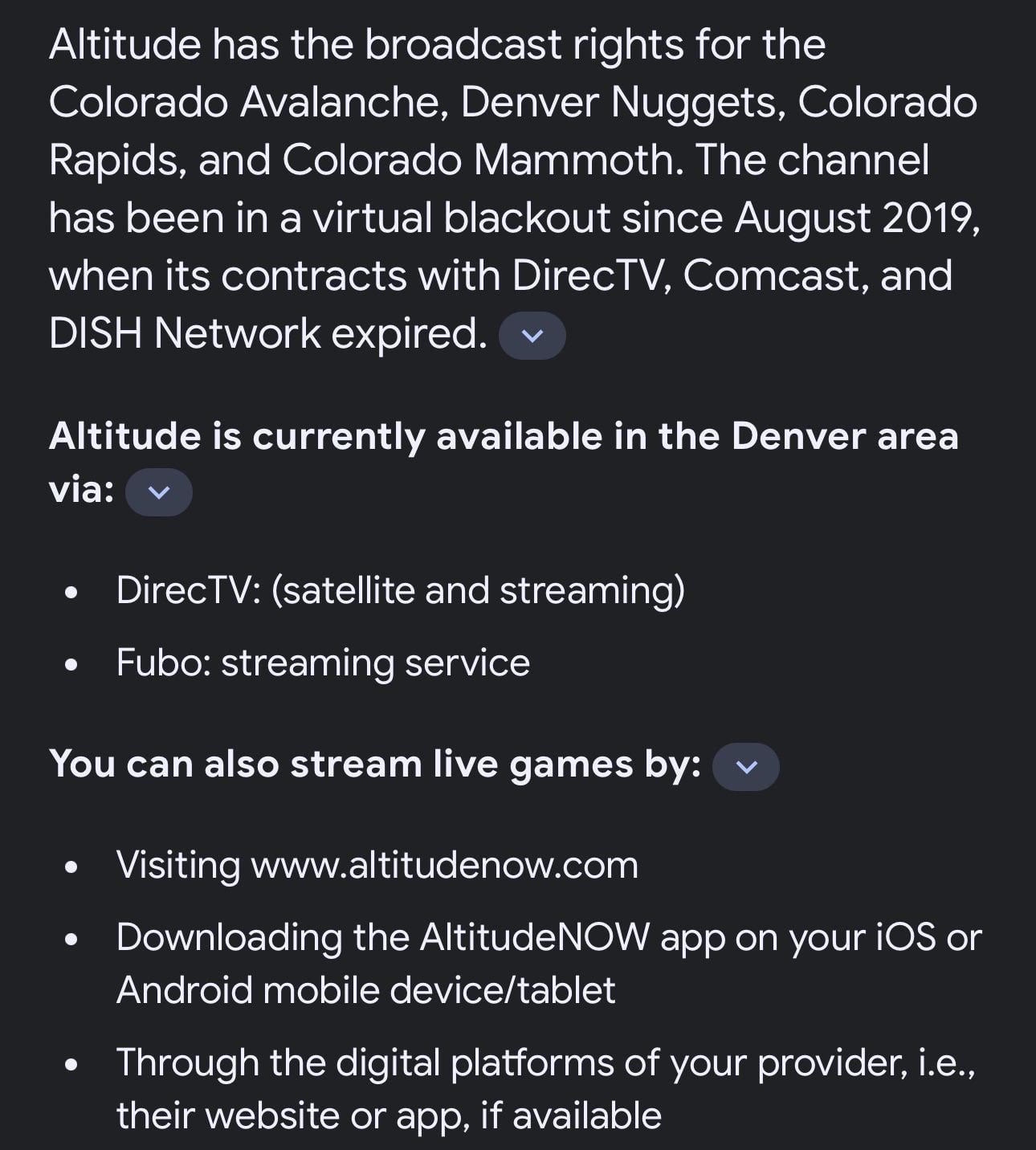
Regional Sports Networks, or RSNs, are big players in the blackout puzzle. These networks, like Altitude TV for the Denver Nuggets, have agreements with teams to show their games in a specific area, or “territory.” They pay a lot of money for these rights. When a game is on Altitude, it’s often blacked out on other channels or services in the Denver area. This is to encourage people in the area to subscribe to Altitude, which helps the network make money to cover their costs. Think of it like this: Altitude buys the right to show the game, and they want you to watch it on their channel, not someone else’s. The blackout encourages viewers to pay for that specific channel or service and not go to other alternatives. Without this system, the RSN might not be able to stay in business, meaning less Nuggets games available in general.
Here’s a breakdown:
- Territory Rights: RSNs have the exclusive right to show games in their specific region.
- Subscription Encouragement: Blackouts drive viewership to the RSN, making the financial model work.
- Financial Stability: These agreements help RSNs fund their operations and keep broadcasting games.
The Case of Altitude TV and the Denver Nuggets
For Denver Nuggets fans, Altitude TV is the key. They have the rights to most of the Nuggets games that aren’t on national networks. However, the relationship between Altitude and cable providers has been complicated. There have been times when major providers don’t carry Altitude because of disagreements over pricing. When this happens, it means that even if a game isn’t nationally televised, Nuggets fans in the Denver area can’t see it because they don’t have access to Altitude. This complicated situation adds another layer to blackouts. If a dispute between Altitude and a cable provider is going on, even the local game may not be available to you.
The negotiations and agreements between RSNs and distributors make the whole situation even more complex, and this can cause blackouts even for local fans who desperately want to support their team. The back and forth of the business part of these media rights can sometimes make the fan experience tough.
National Broadcasts and Blackout Rules
Sometimes, your Nuggets game is on a big national network like ESPN, TNT, or ABC. You might think that being on a national channel means everyone gets to watch, but that’s not always true. When a national game is on, RSNs like Altitude sometimes have to black out their broadcast in that same region. This gives the national networks exclusive rights. For example, if the Nuggets are playing on ESPN, even though the game is also available on cable, you may have a black screen on Altitude. It’s like a ‘double game’ where one channel must not show the content in a particular area so that the other can have exclusive rights to broadcast it. It’s all part of the complex world of sports broadcasting.
Here’s a quick look at national broadcasts and blackouts:
- National Exclusivity: National networks pay for the right to show the game to a wider audience.
- RSN Blackouts: When a game is nationally televised, local RSNs must often black out that game in their region.
- Contractual Agreements: The rules for these blackouts are decided in contracts between leagues, teams, and networks.
How the NBA League Pass Fits In
Now, let’s talk about NBA League Pass. This service lets fans watch out-of-market games. This means if you live in New York and want to see the Nuggets, you might be able to do that with NBA League Pass. But, here’s the important part: even with League Pass, games can be blacked out if they’re considered “local” to your area or if the game is on a national broadcast. So, even if you are a loyal League Pass subscriber, the game may not be available, depending on your location. If you live in Denver, that game might still be unavailable, even on the League Pass if it is broadcast on a regional network or a national network. The rules for League Pass are similar to other channels, which means that the local and nationally televised games will be blacked out on it too.
Here’s a list that will explain it in a more simple way:
- Out-of-Market Games: NBA League Pass is designed for fans who want to watch games outside of their local area.
- Local Blackouts: Games that are broadcast locally are usually blacked out on League Pass in the local area.
- National Blackouts: Games on national TV are often blacked out on League Pass, regardless of location.
Location, Location, Location: How Your Address Matters
Where you live has a big impact on what games you can watch. Blackout rules are strictly based on your geographic location. The companies that broadcast games use your address to decide if a game is blacked out for you. So even if you don’t live in Denver, if you are close enough to the Denver area, or your region is considered in Altitude’s territory, then the local Denver games will be blacked out for you. If you’re on the edge of the blackout zone, the local game may be still blacked out for you, and you will have to use the local RSN to watch it. Think of it as each team having a virtual fence around it, and if you are in that fence, you may not be able to watch the local team through a national service like NBA League Pass.
This also applies if you travel. Even if you have a streaming service, if you are traveling to a different city, the local games of that city will be blacked out, so you can’t watch the games that are local to that region. The geographic location and blackout rules apply to all the broadcasted games whether local or national.
How Streaming Services Play a Part
Streaming services like YouTube TV, Hulu + Live TV, and others also have to follow blackout rules. They often carry local RSNs. If your local RSN is part of your streaming package, you should, in theory, be able to watch the games that are broadcast on it. However, if that local game is being broadcast on a national network, the local version will be blacked out even on these streaming services, just like how it would be if you were watching through cable. Also, disputes between the streaming services and the RSN can sometimes cause a temporary loss of access to the channel, which would cause a blackout if that channel is broadcasting the game. So, even though we have more choices than ever before, these blackout rules still apply to the games regardless of how you watch them, be it on cable or through any streaming provider.
Why Are Blackouts So Complicated?
The rules for blackouts seem complex and confusing because there are a lot of different parties involved, with all of them having their own stakes. There are the teams, the leagues, the RSNs, the national networks, the cable providers, and the streaming services. Each one is trying to get the best deal for themselves, and the result is a web of agreements that are difficult to understand. Also, these agreements are always changing, which adds to the confusion and means that these blackout rules are not always consistent. The situation is also quite regional, as each state or territory has its own local networks, and the rules may differ across different areas. This can make it difficult to understand why a game is available for someone in another state, but not for someone in your state. All of these factors contribute to why blackouts seem so complex and difficult to understand.
Here’s a quick summary of why blackouts are complicated:
- Multiple Stakeholders: Leagues, teams, RSNs, national networks, and distributors all have agreements.
- Changing Contracts: These deals are always being renegotiated, leading to changes.
- Regional Differences: Each region has its own set of blackout rules.
The Future of Blackouts: What’s Next?
The way we watch sports is changing fast. With more and more people using streaming services, the traditional cable TV model is becoming less popular. This means that leagues, teams, and networks will have to find new ways to deal with how the games are broadcast. There has been a rise in direct-to-consumer streaming platforms which might mean the end to some of the RSN blackouts in the future. But, for now, the complex system of blackouts is still in effect, and you should expect to see these for the foreseeable future. The NBA might look at restructuring how they sell their broadcasting rights to be more friendly to consumers in the coming years, but the way this happens remains to be seen.
Here are some things to keep in mind:
- Streaming Growth: As more people move to streaming, the rules for broadcasting may change.
- Direct-to-Consumer: Leagues might offer their own streaming services to avoid RSNs altogether.
- Potential Changes: There could be big changes in how sports rights are sold in the future.
The system is set in place to serve the companies, not necessarily the fans. It’s possible that these rules will be revisited in the future as more and more people move away from cable and go towards streaming. For now, blackouts will likely continue to be a frustrating part of being a sports fan.
Understanding the complicated web of broadcast rights, regional networks, and national agreements helps explain why you might see that frustrating black screen when you try to watch a Nuggets game. These blackouts aren’t about making things hard for fans; they’re about protecting deals that keep sports broadcasting in business.
Gov. Jared Polis 'Angry' Over Blacked Out Nuggets Games
Final Thoughts
Local broadcast rights usually cause blackouts. National networks often have exclusive agreements, preventing local stations from showing the game. This blackout happens when a game isn’t on a national channel and is only on a regional one.
Therefore, why is the nuggets game blacked out is often due to these factors. The team has to negotiate rights with multiple platforms. Ultimately this can lead to frustrating viewing experience.

