
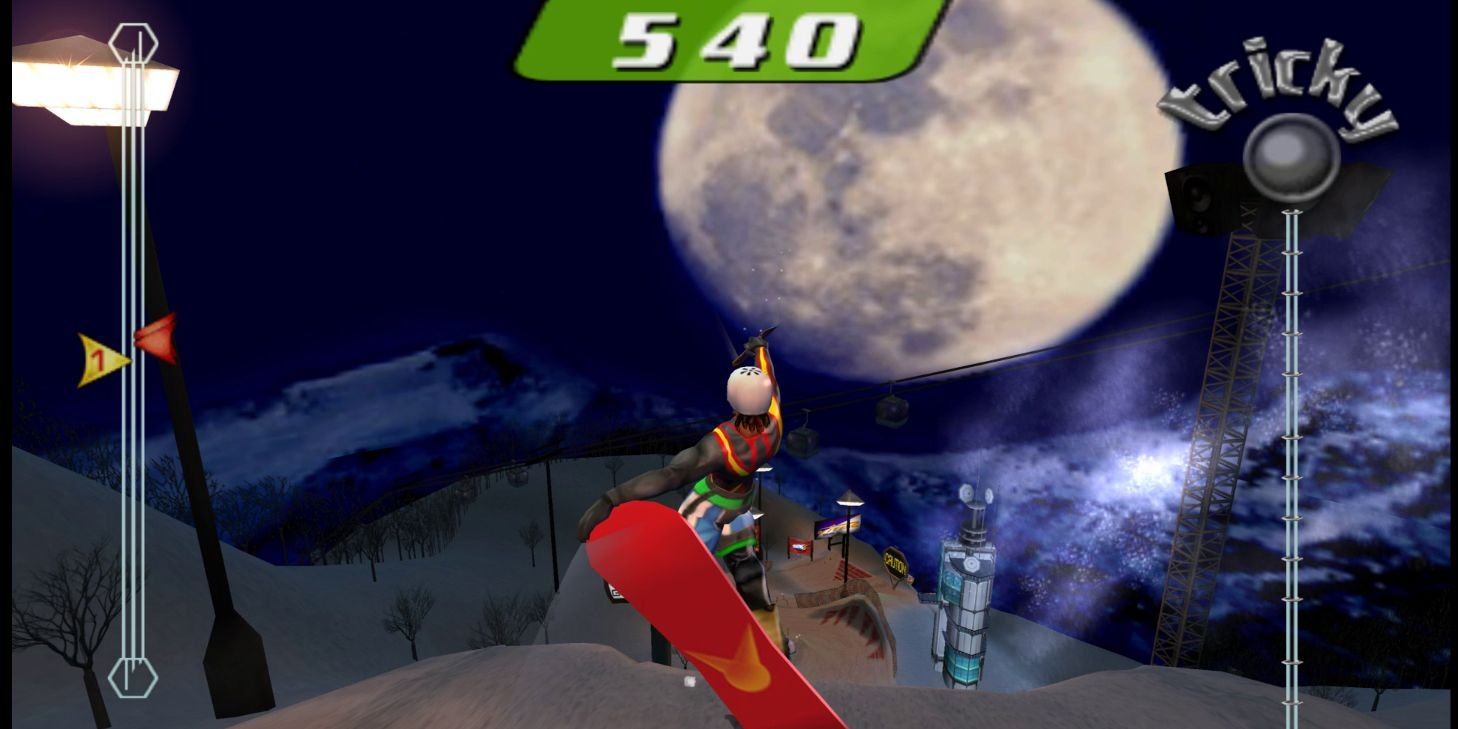
The production of sport simulation games is tricky because it requires accurately replicating complex physics, player behaviors, and real-world strategies, all while delivering an engaging and fun experience.
Ever wondered why your favorite sports game sometimes feels a bit off? It’s because creating these simulations is incredibly complex. We often think about the fun, but rarely consider why is the production of sport simulation games tricky in the first place.
The challenge lies in crafting a virtual world that feels true to the sport. Developers must code intricate systems to mirror the nuances of athletic movement. They also need to capture the unpredictability and excitement of real competitions.

Why is the Production of Sport Simulation Games Tricky?
Making video games is tough, but making sport simulation games is like trying to juggle while riding a unicycle – it’s a whole different level of difficult! You might think, “Oh, it’s just a game, how hard can it be?” Well, let’s dive in and see just how many hurdles game developers have to jump over to create these realistic digital worlds of sports. From getting the physics just right to making sure the game feels fair and fun, there’s a lot that goes into your favorite sports games. Let’s explore the different aspects that make sport simulation games so tricky to produce.
The Challenge of Realistic Physics
One of the biggest puzzles for sport game creators is getting the physics to behave like they do in the real world. Think about a soccer ball: it bounces, spins, and curves in specific ways. Now imagine programming a computer to understand all that! That’s where the fun begins, or rather, the very hard work begins.
Recreating Ball Physics
It’s not enough to just make a ball move across the screen. Game developers need to make sure the virtual ball reacts accurately to different forces. This means:
- How hard it’s kicked or hit.
- How much spin it has.
- What surface it’s bouncing off of.
- Even the air resistance should be accurate!
All of these things must be considered to create an authentic feel.
Player Movements
It’s not just the ball, either. How the players move, how they change direction, and how they collide needs to feel real, too. Imagine a basketball player doing a crossover dribble – the game must replicate the player’s shifting weight, the push-off from the ground, and the way the ball moves with their hands. If it feels wrong, the whole game feels wrong.
The Problem with Imperfection
Real sports are messy! Players stumble, they make mistakes, and sometimes the ball does something completely unexpected. Figuring out how to build in those elements of chance and human error, without making the game frustrating, is a tricky balance. The game can’t be too perfect. Or it won’t feel real. That’s a real challenge.
Capturing the Feel of the Sport
Okay, so you’ve got the physics down. But that’s not all. A sport game needs to feel like the sport. It needs the right atmosphere, the right pacing, and all the tiny details that make a particular game what it is.
Pacing and Flow
Each sport has its own rhythm. A basketball game has lots of fast breaks and quick changes in direction. Baseball can be more slow and deliberate. A good sports game needs to match the flow of the real thing. Getting the pace of the game correct can be surprisingly hard and needs a lot of carefull observation and testing.
Recreating Strategies and Tactics
Good sports games aren’t just about individual skill. They need to let you use the same kinds of strategies that actual coaches and players use. If you are playing a football game, you must be able to do a quarterback sneak, a long pass, or a zone defense. And, not only that, the AI (Artificial Intelligence) in the game needs to use these strategies too! It needs to feel like you’re playing against an actual person who is thinking about what to do next. So, creating smart AI in the sport game is a another tough task.
If these crucial elements are missed, then no matter how good the graphics or physics are, the game will not feel authentic. This is a key consideration for the development of such games.
The Importance of Atmosphere
Part of the experience of watching a live sporting event is the atmosphere. The roar of the crowd, the sounds of the stadium, and the energy of the fans make the experience unique. This is very difficult to create in a video game, as many different aspects have to be consider, some of the main are:
- Crowd Sounds: The sounds have to sound realistic and must match what is happening in the game.
- Visuals: The game must look like the stadium or field the game is taking place in.
- Commentary: A good play-by-play commentator can make the game feel much more alive and real.
Creating the proper atmosphere is a key aspect of creating a realistic and enjoyable sports video game.
The Licensing Maze
Real sports involve real people, real teams, and real leagues. You can’t just put a famous athlete or a well-known logo in your game without permission. That means that one of the most challenging parts of sport game development is licensing.
Getting the Rights
Imagine having to get permission from every major league, every player union, and even individual athletes! This takes time, it takes money, and it can be a total headache for game companies. Sometimes a deal just won’t happen, which means the game won’t have real players or teams, which impacts realism.
The Cost of Realism
The cost of licensing can also dramatically increase the price of the game. It’s also a major constraint, sometimes, game developers might have to compromise, in order to get all required licencing. This compromise sometimes have impact on the quality of the game.
The Impact of Missing Licenses
Sometimes, a video game might only have some licensed content. For example, it could have team licenses but not players or the opposite, or it might only have license for some teams. This makes a sports video game feel less real and less appealing to the gamers. So, having proper licenses is very crucial for a sports video game to be succesful.
The Technical Challenges
Making a sports game requires some very impressive technical skills. It’s not just about drawing pretty pictures. It’s about coding, problem-solving, and a lot of hard work.
Dealing with Complex Code
Sports games require complex programming and code, that helps the game calculate the physics, manage the Artificial Intelligence, handle the game logic, etc. Imagine writing a computer program that can handle all the potential moves in a basketball game! It’s like trying to build a very complicated machine that has to work perfectly, every time. And this machine must run smoothly even on different systems, this increases the complexity of the situation.
Graphics and Animations
Making the game look good is a must. Players must look like their real-life counterparts, with the proper muscle movements, facial expressions, and even their unique style. The game environments also have to look realistic, with the correct lighting, textures, and all the details you would find in a real-world stadium. The game must be visually pleasing to keep the player entertained. This also increases the cost and time it takes to develop the video game.
Optimization for Different Devices
Games need to run smoothly on various devices, like consoles, computers, and even phones. That means game developers need to work on making sure that the game works correctly on a variety of different platforms and resolutions. This is yet another hurdle for developers to jump, as they are faced with this task at the end of the game development.
The Need for Continuous Updates
Sports change, players change, and rules change. That means a sport game is never truly finished. They must keep evolving.
Roster Updates
Player transfers, injuries, and new players mean that team rosters are always changing. Game developers need to update their games to reflect these changes. For example, if a star player moves teams, the game needs to be updated so that they are playing for the new team. This helps keep the game fresh and realistic.
Rule Changes and New Features
Sometimes the rules of a sport change! Or, sometimes a new feature that helps gamers is released, and developers must add it to the game. Game developers need to keep up with the changes and update their games to keep them current. This means that even after a game is released, the game development continues.
Keeping Up with Player Feedback
Gamers are very vocal about what they like and don’t like. Game developers need to listen to player feedback and make changes to make their games better. That means monitoring what players are doing and adjusting the game to meet their demands. The game development process is continuous and is not just at the time of production, but is continues even after the game is released.
The Fine Line of Fun and Realism
Finally, it’s important to remember that while sports games are about realism, they also need to be fun! This can sometimes be a challenge for game developers. It’s a delicate dance between making the game authentic and keeping players happy and engaged.
Balancing Realism with Fun
Sometimes, making a game too realistic can make it too hard. If a game feels like a chore, players will stop playing it. Game developers have to find a balance that provides a good challenge without being too frustrating. So, developers must make sure the game is fun and not just realistic.
The Importance of Accessibility
Good sports games should be fun for everyone, not just hardcore sports fans. That means providing different difficulty levels and ways to play the game. Casual players should be able to pick up the game and enjoy it, while more dedicated gamers should still have lots to get out of the game.
Avoiding Frustration
The best games let you feel like you are the real player and not like you are constantly fighting the game. That means making sure that the controls feel natural and the game flows smoothly. Sometimes, a realistic game can end up frustrating the players if the controls are difficult to use or too hard to get used to. So, keeping a balance between realism and fun is a key consideration in sports game development.
Budget and Time Constraints
Game development is a business and the teams behind them also have a budget and a deadline to complete the project. So, time and budget have a huge impact on the final result.
The High Cost of Development
Sport simulation games are very expensive to develop. The team has to pay for licencing, pay for testing, pay for the development team, and pay for the marketing of the game. It is a very costly and complicated process.
Meeting Deadlines
The team must also release the game at a certain date, before the start of a season or when the previous game has completed it’s selling cycle. This can be a problem as some game development projects can go over time. The added pressure of meeting deadlines increases stress and it may also affect the quality of the game.
Compromises on Quality
Sometimes, when a team has less budget or less time to complete the game, compromises are made. This can mean reducing the quality of the game. This is never the intention of game developers, but sometimes, when they have no other choice, compromises have to be made. So, a limited time and limited budget can affect the quality of the game, which is not good.
So, as we see, making sport simulation games is no easy task. It is a very difficult process that requires a lot of expertise, resources, time, and most important of all, passion. Game developers have a tough task on their hand. They have to work through so many problems, and still, they create some of the most amazing sports video games for us to enjoy. It’s a lot more complicated than most people would guess.
Team Bonding Games – The Characteristic Game 5
Final Thoughts
Creating realistic sport games presents unique challenges. The sheer complexity of accurately replicating player movements, tactics, and physics creates a steep hurdle. Developers must also meticulously model stadiums and environments.
Furthermore, capturing the authentic atmosphere of a live game requires significant effort. AI opponents must act intelligently, making these games especially difficult to produce. why is the production of sport simulation games tricky? The answer lies in needing both technical skill and deep knowledge of the sport.

