
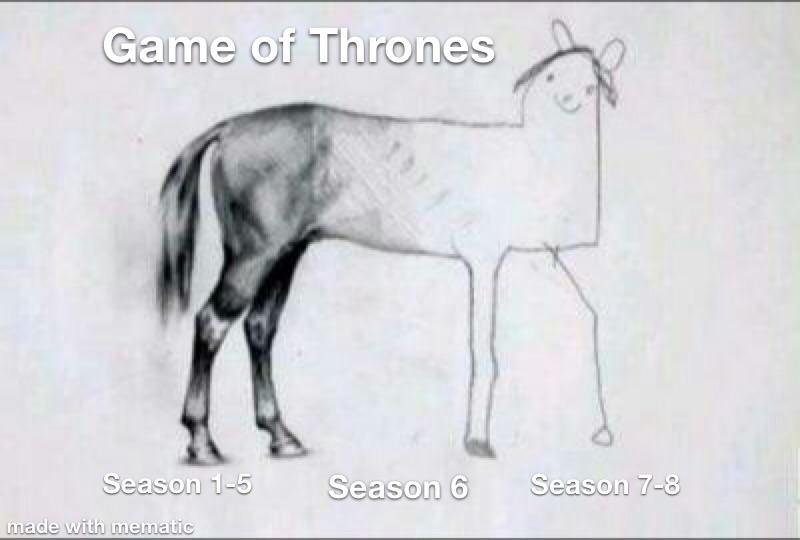
The showrunners’ desire to move onto other projects, coupled with the perceived exhaustion of the source material, led to the decision to rush the final seasons of Game of Thrones.
It’s a question that continues to spark debate amongst fans: why was Game of Thrones rushed? The final seasons, particularly season eight, felt noticeably different from what came before, leaving many viewers feeling unsatisfied with the conclusion.
Many point to the showrunners, David Benioff and D.B. Weiss, as primarily responsible for the pacing issues. Their desire to pursue other ventures seems to have played a significant role in shortening the final season.
This decision to condense the narrative likely compromised the complex character development and plot lines that viewers loved, ultimately leaving many disappointed with how it all wrapped up.

Why Was Game of Thrones Rushed?
The final seasons of Game of Thrones sparked a lot of debate, and not in a good way. Many fans felt like the show’s ending was rushed, leaving them disappointed. So, what happened? Why did the carefully built world of Westeros suddenly seem to sprint toward the finish line? Let’s dive into the reasons why many people believe the show felt rushed.
The Shift From Book Adaptation to Original Story
One of the main reasons often cited for the perceived rush is the show’s change from adapting George R.R. Martin’s books to forging its own path. For the first few seasons, Game of Thrones meticulously followed the events of the “A Song of Ice and Fire” novels. However, the show began to catch up to the books. The writing team, led by David Benioff and D.B. Weiss, found themselves in uncharted territory, having to come up with their own storylines and conclusions. This transition, although necessary at some point, is where some people believe the quality started to decline and contributed to the rushed feeling.
The Unfinished Books
George R.R. Martin is famous (or infamous, depending on your view) for taking his time writing his books. As of today, the sixth book in the series, The Winds of Winter, is still not finished, and neither is the planned seventh, A Dream of Spring. The showrunners faced a real challenge: they were making a show based on an unfinished story, leaving them with no roadmap or full outline for the finale. This lack of pre-existing material meant they had to create an ending, which some felt was not as well-developed as the book-based material. It’s like trying to finish a puzzle without all the pieces.
Let’s consider a comparison. Imagine building a Lego castle. When you have the instruction booklet, it’s easy to follow each step and create a sturdy structure. But, if the last few pages of the booklet were missing, you would have to make up how the final parts connect. You might not create something as good as what the instruction originally planned, and you might have to rush to finish it. This is similar to what the show faced, as it didn’t have the last books to rely on for direction.
The Pressure of Deadlines and Production
Television production is a complex machine with deadlines, budgets, and numerous people involved. Even a large production like Game of Thrones had pressures. The desire to meet the television schedule meant that the showrunners might have cut corners or made choices to finish quickly rather than thoroughly develop storylines. The number of episodes in the final seasons were also reduced, which might have impacted the pacing of the plot.
- Season 7 had seven episodes instead of the usual ten.
- Season 8 had six episodes, further shortening the story’s resolution.
This reduction in episode count meant less screen time to develop plots and characters, making the ending feel hurried. It’s like trying to fit a large meal into a small container; some portions are bound to get squished or missed out.
The Desire to Move On
Both David Benioff and D.B. Weiss had a public desire to work on other projects after Game of Thrones. They signed on to make a Star Wars trilogy for Disney, which has since been shelved, but the desire to wrap up the show and move on might have contributed to the perceived rushed quality. It’s like having a big final exam, and while you want to do your best, you’re also excited to start your summer vacation. This can result in finishing the exam quickly to get onto the next thing.
The Impact of Limited Writing Staff
Compared to other big shows with large writing teams, Game of Thrones often relied on a more streamlined group of writers. While consistent, this might have led to a lack of diverse perspectives and could have contributed to a feeling of stagnation in the final seasons. When multiple people provide creative input, the outcome can often be more interesting and multi-faceted. The relatively small team may have limited the options and ideas for the endgame.
Character Arcs and Plot Developments
Many fans felt that the final seasons abandoned the careful character development that had made the earlier seasons so compelling. Characters made sudden, unexpected changes that seemed out of sync with their established personalities. For example, Daenerys Targaryen’s turn to ‘mad queen’ was something that felt rushed and wasn’t given the proper time to develop. These dramatic character shifts without sufficient build-up contributed to the feeling that the story was being fast-forwarded to a conclusion.
The Rushed Story Arcs
Key plot lines, like the Night King’s threat, were resolved quickly in the final season. A lot of time was spent building up this antagonist, and he was defeated in the first half of the final season. This could be seen as a letdown for viewers who had expected the conflict to be drawn out. The show seemed to prioritize wrapping up quickly rather than giving key storylines the time to breathe.
Let’s talk about the Night King. He was built as the ultimate evil for seven seasons. The show built up this massive force of ice and death for years, and he was defeated in a single battle with very little plot surrounding his demise. In comparison, the battle against the Lannisters took multiple episodes and had several twists and turns. The lack of build-up for the Night King’s demise definitely contributed to the sense of a hurried ending.
The Impact on Other Characters
The desire to resolve the major storylines in the final season impacted the stories of even minor characters, Many fans were unhappy with how certain characters’ stories ended. Some characters seemed to make sudden and out-of-character decisions to serve the plot rather than progressing organically. The stories of Tyrion, Jon, Sansa, and even Cersei felt incomplete or unsatisfactory for many viewers. The lack of proper time to develop their endings created a sense of narrative frustration.
The Fans’ Expectations
Part of the disappointment with the final seasons also comes from the high expectations fans had. Game of Thrones was not just a show; it was a cultural phenomenon. Fans had built up their own theories and hoped-for endings over years, and when the show didn’t follow their expectations, it led to a lot of criticism. It’s important to remember that the ending, as it was shown on screen, is what the show’s creators intended for their world, not a failure, just a different interpretation of how the story should conclude.
The Problem of Fandom
The large and active fandom came with different expectations on how the show would end. Some people wanted specific characters to end up on the Iron Throne, while others wanted different outcomes. No matter how the show was going to end, some fans would inevitably feel disappointed. The showrunners had a monumental task to try to please everyone, and when they didn’t, it felt like they had rushed the plot just to finish it rather than trying to satisfy the fans. The nature of fandom and fan theories also contributed to the high level of scrutiny placed on the final seasons, making any perceived missteps feel more significant.
Comparing to Other Fantasy Adaptations
Comparing Game of Thrones to other fantasy adaptations provides further insight into why some people feel it was rushed. Consider The Lord of the Rings films, which were made using books that were already finished. The filmmakers had the complete story to plan out their adaptation. This allowed them to ensure every aspect of the story was consistent with the source material. Game of Thrones did not have that luxury.
The Difference in Production Approach
Other adaptations, like The Wheel of Time (another book-to-screen adaptation), often utilize large writing rooms with multiple authors, and they are taking their time with the source material. The writing team, led by Rafe Judkins, has been public about their planned multiple-season approach that follows the books much more closely. The approach is in stark contrast to Game of Thrones, which often deviated significantly and ultimately ran out of book source material. These differences in production style and resources may have affected how well the material was translated onto the screen.
The Benefit of Complete Source Material
When a show adapts a completed series, like Outlander, the showrunners have the ability to pace the story and plan the entire series from the start. This allows for a cohesive and well-paced story development. They can decide when to cut some parts out, what to focus on, and how to keep the pacing just right, because they see the complete picture. Game of Thrones didn’t have this luxury, which led to what many perceive as a rushed final season. Having a full story available helps avoid the feeling of speed or abrupt plot lines.
The Impact on the Show’s Legacy
The perceived rush of the final seasons has had a noticeable effect on the show’s overall legacy. While the show remains a cultural landmark with memorable moments, many conversations surrounding it focus on the criticisms of the last few seasons. The disappointment felt by many viewers has affected how the show is discussed in the years after its finale. The ending made people rethink how the rest of the series could be judged, too. It was the final note in a song, and, some people thought, it wasn’t a very good final note.
The Importance of a Good Ending
For many shows, the ending plays a large role in how people remember the series. A well-planned and executed ending can add to a show’s reputation and leave a lasting impact. Conversely, a rushed or unsatisfactory ending can tarnish the overall experience. This is precisely what happened with Game of Thrones, where many fans feel that a rushed ending detracted from the excellent earlier seasons. Endings are important and can greatly alter how people view a story.
Ultimately, the sense of Game of Thrones being rushed stemmed from a combination of factors: the lack of finished source material, the reduced episode count, the desire of the showrunners to move on, and a change in focus from detailed world-building to rapid plot resolution. These elements combined to create a final season that, for many, did not live up to the high standards set by the earlier seasons.
9 Reasons Why 'Game Of Thrones' Season 8 Was A Huge Disappointment
Final Thoughts
Production schedules, actor commitments, and budget constraints created immense pressure. These factors significantly impacted the final season’s pacing and storytelling. The series had to finish quickly because of these real world issues.
HBO wanted a conclusion but didn’t want to extend production timeline. The showrunners must meet deadlines, potentially leading to rushed writing and reduced episode counts. So, why was game of thrones rushed? The production must have had a reason behind this.

