
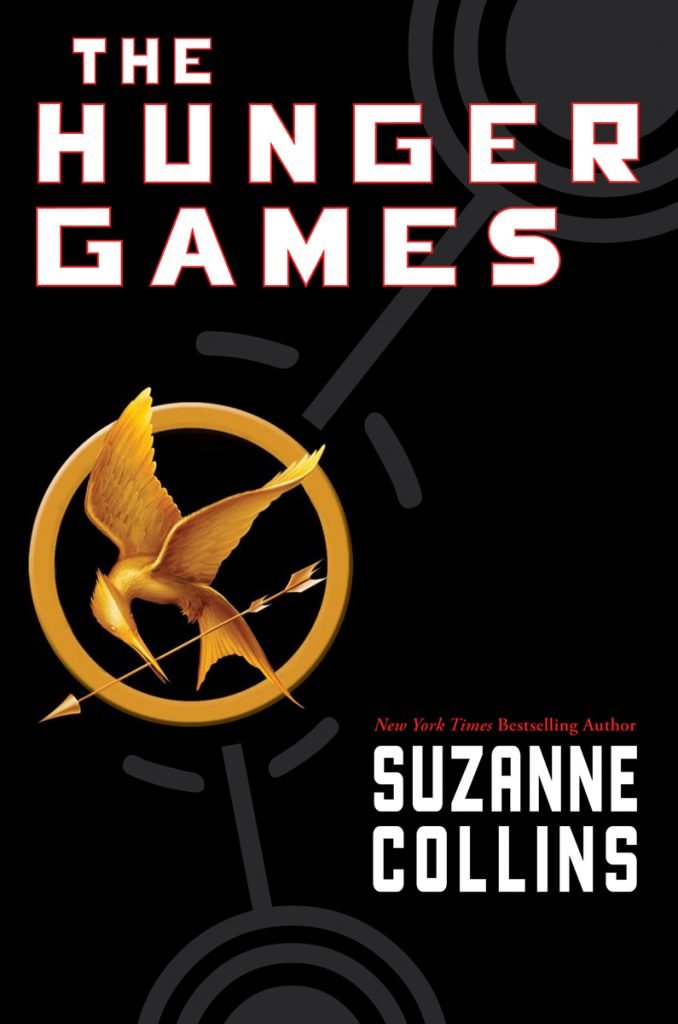
The book The Hunger Games faced bans primarily due to its violence, dystopian themes, and perceived anti-government messages.
Many people wonder, why was the book The Hunger Games banned? It’s a popular series, but also a controversial one. The intense violence depicted in the arena raised many concerns.
Dystopian themes also contributed to challenges against the book. Some felt the anti-establishment narrative was inappropriate. These elements fueled numerous attempts to ban it from libraries and schools.

Why Was the Book The Hunger Games Banned?
The Hunger Games, a thrilling series by Suzanne Collins, has captured the imaginations of millions. But alongside its popularity, it has also faced challenges, with some schools and libraries banning the book. This leads us to ask: Why was The Hunger Games banned? Let’s dive into the reasons behind the controversy.
Violence and Disturbing Content
One of the biggest reasons for the bans and challenges to The Hunger Games revolves around its portrayal of violence. The book depicts a dystopian world where children are forced to fight to the death as a form of entertainment and control. This concept itself is very dark, and the descriptions of the actual fighting, the injuries, and the deaths can be quite graphic. For some parents and educators, the level of violence is simply too much for young readers. They worry that it might desensitize children to violence or give them nightmares. Remember, the book vividly describes kids killing other kids, which can be upsetting for many.
Graphic Depictions of Death
The novel doesn’t shy away from showing the harsh realities of the arena. Readers witness brutal attacks, characters suffering from severe wounds, and the finality of death. These aren’t sanitized versions of violence; they’re often quite detailed, which adds to the unease some people feel. Some critics argue that these graphic depictions, while integral to the story’s message, are unsuitable for younger audiences, as it depicts children fighting and killing each other in a gruesome way.
Themes of Survival and Brutality
Beyond the individual acts of violence, the book explores the broader theme of survival at any cost. The characters in the Games are constantly faced with terrible choices, having to resort to extreme measures to stay alive. This focus on brutality, where characters are forced to abandon their morals and humanity, has been a point of concern. Some worry that this glorifies the idea of violence as a means to an end, especially for young, impressionable minds. The intensity of the survival narrative, which includes hunting other human beings, is particularly troubling for some. The setting itself, a televised bloodsport involving children, is inherently disturbing.
Political and Social Commentary
While the violence is a major concern, the political and social commentary within The Hunger Games also contributes to its challenged status. The book critiques power structures, social inequality, and the manipulation of information. These themes, while vital for discussion, can also be seen as controversial, especially by people who are not comfortable with the critique of the status quo.
Critique of Government and Power
The Hunger Games presents a dystopian society controlled by a powerful and oppressive government, the Capitol. The Capitol uses the Games to maintain its control over the districts. The book criticizes this type of authoritarianism and highlights how the government can exploit and suppress its people. This critique of power can be interpreted as anti-government or even as promoting rebellion, which some groups might find problematic. The very idea of a corrupt government that sacrifices children for entertainment is a critique of real-world power dynamics. It challenges readers to think about how power can be abused and its implications.
Social Inequality and Class Divide
The stark contrast between the wealthy Capitol and the impoverished districts is another critical element of the series. The Hunger Games exposes the consequences of extreme social inequality, where the rich thrive at the expense of the poor. This theme can spark discussions about income disparities and social justice, which some people find uncomfortable or divisive. The book shows the injustice of a system where some live in luxury while others struggle for basic survival. This is a powerful message, but it’s also a message that challenges existing power structures, which some feel is too radical for young audiences. The clear class divide, with the Capitol inhabitants being shown as decadent and uncaring, is a very deliberate social commentary.
Manipulation and Propaganda
The Capitol uses propaganda and carefully crafted media to control the narrative and maintain its grip on power. This manipulation of information is a significant theme in the book, highlighting how propaganda can be used to control populations. The book makes young readers question what they hear and see in the media, and encourages critical thinking about information and its source. This commentary on media manipulation can be seen as a challenge to the status quo, potentially making it a target for groups who dislike having power questioned. The book shows how the Games themselves are used as a tool to distract the population and maintain control, highlighting how media can be used for political purposes.
Age Appropriateness
Another factor in the banning of The Hunger Games is the question of age appropriateness. The book deals with complex themes of violence, death, and political oppression, which some believe are too mature for younger readers.
Emotional Impact on Young Readers
The intense emotional experiences in the novel, like the fear and grief the characters endure, might be too heavy for some young readers to process. Seeing characters that children can identify with suffer greatly, is a part of the impact the book has. The book often evokes feelings of sadness, anger, and anxiety. Some educators worry that these intense emotions could be unsettling for very young or sensitive children. These aren’t cartoonish events; they’re rooted in the characters’ raw emotional reactions to very grim and scary situations. It’s not just the physical violence; the emotional toll on the characters can also be very challenging for younger readers.
Reading Level vs. Content Maturity
While the reading level of The Hunger Games might be suitable for middle schoolers, the complexity of the themes and the intensity of the content are often considered more appropriate for older teenagers. The book isn’t just an action adventure, and deals with complex moral issues that younger children may not fully understand or be ready to confront. There’s a difference between reading comprehension and emotional maturity. Some argue that while a child may be able to read the words, they may not be equipped to process the complex ethical questions raised. It’s this disparity between reading ease and content depth that often sparks debate about appropriate age levels for the book.
Specific Objections and Challenges
Let’s take a look at some more specific objections that have been raised regarding The Hunger Games in various challenges and ban attempts. These objections often reflect deep rooted fears and concerns about the books influence on young readers.
“Anti-Family” Themes
Some critics have stated the book has an “anti-family” angle, because the family units shown in the book are sometimes dysfunctional or powerless in the face of a tyrannical government. While Katniss has love for her younger sister, Prim, the family structure is very different from a traditional one. This unusual setting has been interpreted by some as undermining the importance of families. It’s important to consider that this family dynamic is not presented as ideal, but rather as a consequence of the dystopian setting. However, this nuance is not seen or understood by all. Some see the lack of perfect family units as a negative representation of the family value, without acknowledging the context of the story.
Allegations of Promoting Witchcraft or the Occult
In some very rare and fringe cases, the book has been accused of promoting witchcraft or the occult. This misunderstanding often comes from the supernatural aspects used in the story, like the muttations and the way some characters can read the future or have visions. However, it’s important to note that these are not intended to be literal portrayals of the occult, but are part of the fictional universe of Panem. These claims are often based on misunderstanding the story’s fictional elements and applying a literal and often biased interpretation to them. These objections reveal how fictional elements, when misunderstood, can lead to concerns about potentially negative influences.
Concerns About Sex and Romantic Content
While not overtly sexual, there are romantic and intimate undertones to the relationships between characters in The Hunger Games. Some find even these subtle romantic elements inappropriate for younger audiences. The love triangle between Katniss, Peeta, and Gale, for instance, involves complicated emotional dynamics that could be seen as unsuitable for younger readers. While this romantic sub-plot is not the primary focus of the story, some fear that it could introduce ideas or concepts to young people that they are not prepared to grapple with. The relationships are very complex, and critics worry that this might send wrong messages or confuse young readers.
The Impact of Bans and Challenges
Banning books like The Hunger Games has various consequences. It limits access to diverse perspectives and limits opportunities for important conversations about the world. The books, whether liked or disliked, are definitely thought provoking.
Limiting Access to Diverse Perspectives
When books are banned, it limits exposure to different viewpoints and experiences. The Hunger Games, despite the concerns, offers a unique perspective on social and political issues, and banning it means that some readers might not get the opportunity to see the world through a new lens. Limiting access to these kinds of stories means that children and teenagers can be denied the chance to confront difficult questions about power, justice, and morality. Banning a book limits choices, preventing the readers from forming their own opinions.
Hindering Critical Thinking Skills
Books like The Hunger Games have the potential to promote critical thinking skills. By grappling with complex themes and the difficult choices the characters face, readers can develop their own critical thinking abilities and also form moral standpoints. When these books are removed from circulation, this valuable opportunity to learn and grow is lost. If young people aren’t exposed to complex situations and moral dilemmas, they have less opportunity to work through those ideas and develop their own viewpoints. These books make readers ask hard questions, which is a crucial element of education and personal growth.
The Importance of Reading and Discussion
Instead of banning books, encouraging open discussions about their content is a far more effective approach. The Hunger Games provides a platform to talk about important topics like violence, inequality, and political systems. These conversations can help readers understand the book on a deeper level and think critically about the issues it presents. Banning books only makes young readers more curious, potentially leading to them seeking out the book and engaging in discussions outside of a controlled and guided environment. It is better to use these books as a way of opening up important discussions.
In conclusion, while there are legitimate concerns about the violence and complex themes in The Hunger Games, banning the book limits access to important discussions and diverse perspectives. Instead of restricting access, educators and parents should engage with the book and use it as a starting point for critical thinking and thoughtful dialogue.
The Hunger Games: The REAL Reason Behind Its US Ban
Final Thoughts
The Hunger Games faced bans due to its violent content and dystopian themes. Some found it unsuitable for younger readers, citing its depictions of children killing children. The book’s dark nature and political commentary also fueled controversy.
Essentially, why was the book the hunger games banned? Many deemed it too intense and disturbing. This novel’s challenging subject matter caused must debate. Parents and educators had different opinions regarding its suitability.

