
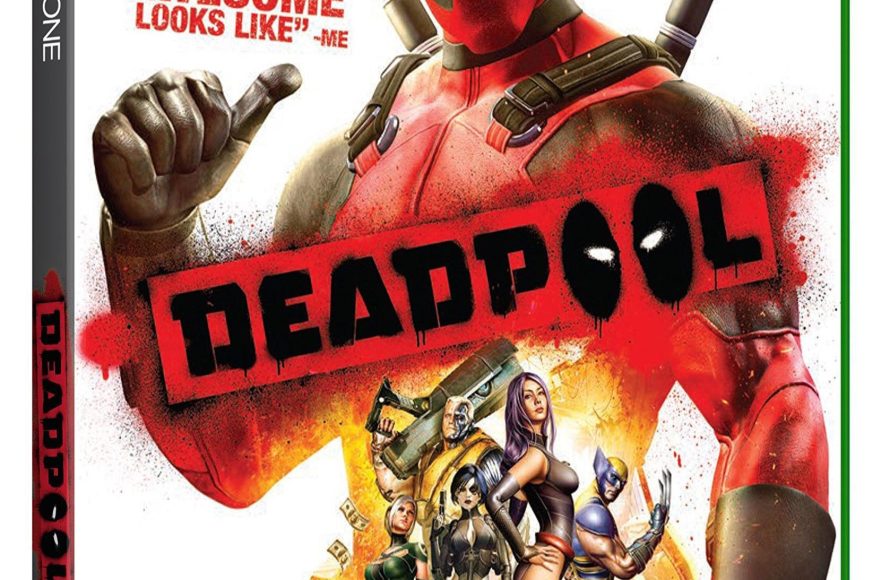
The Deadpool game was removed because licensing agreements with Marvel expired, preventing further digital sales.
So, you’re wondering why was the Deadpool game removed? It’s a question many fans have pondered, given the game’s popularity and unique charm.
The truth is, it all comes down to legalities. These often complicated licensing deals between game developers and comic book companies, like Marvel, have expiration dates.
When the agreement for Deadpool ran out, the game unfortunately could not be sold anymore. This resulted in its removal from digital storefronts.

Why Was the Deadpool Game Removed?
The Deadpool video game, a quirky and action-packed adventure featuring the “Merc with a Mouth,” was a hit with many fans. So, why isn’t it easily available anymore? This is a question that pops up often, and the answer is a bit more complicated than just a simple “it wasn’t popular.” It’s a mix of licensing issues, business decisions, and how digital games work. Let’s dive into the reasons behind the disappearance of the Deadpool game from digital storefronts.
The Role of Licensing
Think of a video game like a movie. Just like movies, games often use characters, music, and other things that they don’t own. They need permission, called a license, to use these things. In the case of the Deadpool game, Activision, the company that made the game, got a license from Marvel, who owns Deadpool. This license gave them the right to make and sell a game featuring the character for a specific period. These agreements aren’t forever, and that’s where things get interesting.
Understanding Licensing Agreements
Licensing agreements are contracts, and they have specific terms:
- Duration: Licenses often have a time limit, maybe a few years. After this time, the license needs to be renewed, or the game can’t be sold anymore.
- Rights: The license specifies what the game company can do with the character. Can they sell digital copies only? Are there geographical restrictions? It’s not just a free-for-all.
- Cost: These licenses cost money. The game company has to pay for the right to use a character like Deadpool. If they don’t make enough money from the game to cover the license cost, or if they decide it’s not worth the investment, they might not renew the license.
When the time came to renew the Deadpool game’s license, Activision and Marvel couldn’t agree to a new deal. This was the primary reason for the removal of the game from online stores. It wasn’t about the game being bad, it was just about business.
The Digital Nature of Game Sales
The way we buy games these days is very different from how it used to be. Instead of always having physical copies on discs, we often download them directly to our consoles or computers. This change has a big effect on how games like Deadpool can be sold, or not sold.
The Influence of Digital Storefronts
Think of digital stores like a big online shopping mall for games. Companies like Steam, PlayStation Store, and Xbox Store are like shelves in this mall. When the license for Deadpool expired, the game was taken off these virtual shelves.
- Control of Distribution: Digital stores have a lot of control over which games are available. If the game publisher doesn’t have the right to sell the game anymore, the digital stores will remove it.
- No Physical Copies to Fall Back On: With older games that were sold on discs, some people could still find old physical copies after the game was removed from online stores. The Deadpool game did have physical copies, but because digital sales are more prevalent now, this didn’t do a lot to keep the game widely available.
- Easy to Remove: It’s much easier to take a digital game off the market than recalling physical copies of games. This ease, while great for quickly dealing with issues, means that games can disappear more readily.
Business Decisions Behind the Removal
It’s not always just about licenses running out. Sometimes, game companies make strategic decisions that lead to games being taken off digital storefronts.
Factors Influencing Removal
Here are some things that may have influenced the decision not to renew the Deadpool game license:
- Sales Performance: Did the game sell well enough to justify renewing the license? If a game isn’t making enough money, the company might decide that it isn’t worth the renewal fee.
- Focus on New Projects: Game companies constantly work on new games. Sometimes, they need to focus their resources and time on these projects and may not want to spend time or money maintaining older games.
- Changing Market Trends: The game market is always changing. What is popular today might not be popular tomorrow. If a game is considered an older title, the company may think it’s better to focus on what’s new and trending.
- Company Priorities: A company might also have a change in leadership or priorities, which influences what they choose to keep selling.
Sometimes, it’s not about a game doing badly. Sometimes, it’s just about a shift in a company’s strategy.
The Availability of Physical Copies
While the Deadpool game is not on digital storefronts anymore, some people may still find physical copies for sale. These are usually used versions, or copies someone bought before the game was removed from digital stores. Let’s explore the world of physical copies.
Finding Physical Copies
Where can you find a physical copy of the Deadpool game? Here are some typical places:
- Used Game Stores: Shops that sell used games, both big and small, might have physical copies.
- Online Marketplaces: Websites like eBay, Amazon, and other similar sites often have people selling used copies.
- Pawn Shops: Sometimes, pawn shops have older games they’ve taken in, including the Deadpool game.
Keep in mind that physical copies of the Deadpool game can be more expensive now since they are not being made anymore. They also may have wear and tear. Be careful when buying used games to make sure they are what you expect.
The Impact on Fans
The removal of the Deadpool game was disappointing for fans who enjoyed playing it and those who hoped to play it one day. It serves as a good example of how licensing and digital sales can affect the availability of games.
The Frustration of Delisting
Here are the common frustrations fans have with delisted games:
- Lack of Access: The biggest problem is that fans can’t buy the game anymore from official stores. This can make it hard to play, especially for people who did not buy the game when it was first available.
- Price Increases: Physical copies can become rare and costly, making it more difficult for fans to enjoy the game without spending a lot of money.
- Disappointment: Fans feel disappointed when a game they like is taken off the market, which can lead to frustration and a sense of loss.
The story of the Deadpool game is a reminder that digital games can disappear even if they are popular, which is a different scenario than physical games of the past.
Potential Future Scenarios
Can the Deadpool game return to digital stores one day? While there’s no guarantee, let’s look at some possibilities.
Possibility of a Re-release
What could make the game reappear? Here are some things to consider:
- A New Licensing Agreement: If Marvel and Activision (or another company) agree on a new license, the game could be re-released. This could be a re-mastered version of the game, or the same game made available digitally again.
- A Remaster or Remake: A game company could make an upgraded version of the game with better graphics or new content. This would be a way to bring the game back with improvements and make it available on newer consoles.
- Fan Demand: If there’s a huge demand from fans, a company might see it as a good opportunity to bring the game back. Sometimes, fan requests do have influence in these decisions.
The future of the Deadpool game is uncertain, but the chance for it to return in some form is not zero. In the world of video games, things can change very quickly.
The Deadpool game’s removal from digital storefronts was a combination of licensing issues, business decisions, and the nature of digital game sales. While it’s sad for fans that it isn’t readily available anymore, it shows how complex the video game industry can be. The game’s story illustrates the importance of understanding the licenses behind the games we love and the impact that can have on how we play them.
the Deadpool game you can't play anymore
Final Thoughts
The Deadpool game vanished from digital storefronts due to licensing issues. Activision’s deal with Marvel lapsed, causing the game’s removal. This is a common reason for delistings in the gaming industry.
Essentially, they no longer held the rights to sell the title, thus forcing its removal. why was the deadpool game removed? It became a casualty of contract expirations, and that’s why its not available digitally any more.

