
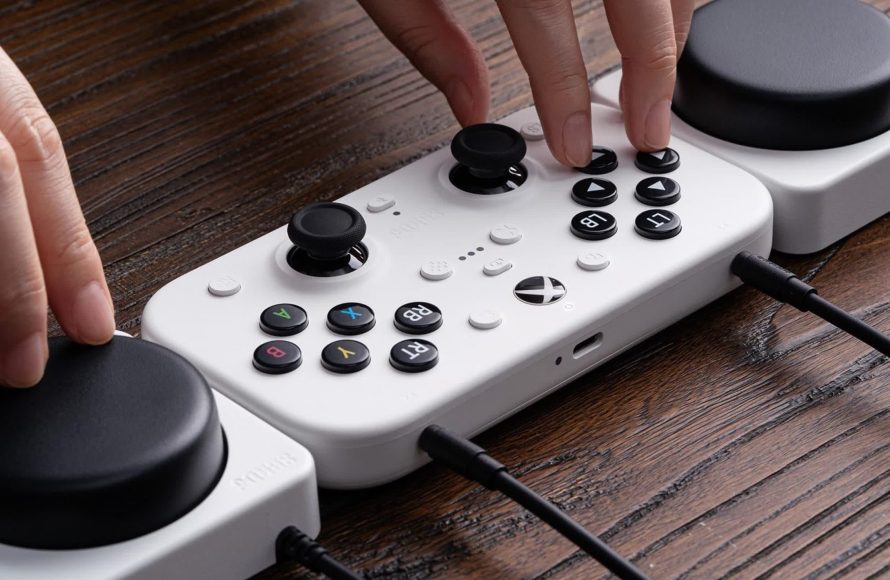
Xbox adapts games for different markets by implementing localization, culturalization, and accessibility features, ensuring broader appeal.
Ever wondered how a game feels so perfectly suited to your region, even if it was created continents away? That’s the magic of Xbox adapting games for different markets. It’s more than just translating text; it’s about making the experience relatable and enjoyable for every player.
This involves considering various factors, from language and cultural norms to accessibility needs. Ultimately, this effort allows people around the world to connect with games on a deeper level.

Xbox Adapting Games for Different Markets
Have you ever wondered why some games feel different when you play them in a different country? It’s not just about language! Game developers, like the folks at Xbox, work really hard to make sure games feel fun and right for players all over the world. This is called “game localization” and it’s a big deal. It’s more than just translating words; it’s about making the whole experience feel like it was made just for you.
Understanding Cultural Nuances
Imagine a game where everyone wears bright, vibrant clothes, but in a certain culture, bright colors are only for special occasions. It might feel a bit off, right? That’s where understanding cultural nuances comes in. Game developers need to learn about different cultures to make their games feel authentic and respectful. Here’s a breakdown of what this involves:
Respecting Traditions and Beliefs
Games can sometimes include things that might not be appropriate in all cultures. Developers have to be careful about religious symbols, clothing, or storylines that could be offensive. For example, a game might need to change certain characters’ outfits or modify a storyline that conflicts with local beliefs. This ensures everyone can enjoy the game without feeling uncomfortable or disrespected. It shows that the developers care about their global audience.
Understanding Local Customs
Simple gestures or actions in a game can have different meanings in different countries. A thumbs-up might mean “good job” in some places, but it might be seen as rude in others! Game developers look into things like: how people greet each other, how they eat, what’s considered polite, and so on. They use this information to make sure the game feels natural and familiar to players, wherever they are.
Localizing humor
Humor is another big consideration. What makes people laugh in one country might not be funny at all in another. Jokes that depend on a specific cultural reference or wordplay might not translate well. Developers must find ways to adapt humor so that it lands well in each region. This may involve rewriting jokes, adding new dialogues, or changing the context of funny scenes to match the local sense of humor. They have to be very clever with it!
Language Adaptation: More Than Just Translation
Translating a game isn’t just about swapping one word for another. It’s a bit more complex than that. Here’s why:
The Art of Translation
When developers translate games, they have to think about a lot of things. First, they must consider the context. A phrase that makes perfect sense in English might sound odd when directly translated into another language. They need to make sure the meaning is correct. Second, games have a specific tone; they may be funny, serious, or suspenseful. The translation needs to keep that tone consistent. Finally, game characters have individual personalities. The translations have to preserve their voices and quirks. It’s about more than just the words themselves; it’s also about the overall feeling of the game.
Voice Acting and Dubbing
Many games feature characters who speak, and translating their dialogue is not enough. It often involves voice actors who record the lines in another language. This process, called “dubbing,” requires actors who can not only speak the language but also portray the same emotions and acting style as the original characters. The tone, rhythm, and emphasis all must be accurate. This helps players connect with the characters even if they are not listening to them in their native tongue. Poor dubbing can take away from the gaming experience, so it’s very important to get it right. Great dubbing makes the game more engaging and believable.
On-Screen Text and User Interface
The words you see on the screen – menus, subtitles, instructions – are also translated carefully. Developers must consider how the text will fit. Some languages are longer than others, so the design might need adjustment to make sure everything fits properly on the screen. They also need to consider readability. Fonts and font sizes might need to be changed for different languages to make sure they are clear and easy to read. It is all about creating a user interface that is intuitive and accessible for players from various regions.
Adapting Gameplay Mechanics
Sometimes, games need to change more than just the words to fit a different market. The mechanics – the actual ways you play – might also need a tweak. These changes ensure that the game is not only fun but also appropriate and enjoyable for each culture.
Adjusting Difficulty Levels
What is considered a ‘challenging’ game in one country might be too hard or too easy in another. For example, players in some cultures might prefer a more forgiving gameplay style, while others might enjoy a real test of their skills. Developers may adjust things like the amount of damage enemies do, how quickly they move, or the complexity of puzzles to match the preferences of players in a specific region. They carefully measure what makes for a rewarding and satisfying level of difficulty.
Modifying Controls and Input Methods
Different cultures may use different gaming setups. For example, a game designed for a gamepad might need to be adapted for keyboard and mouse for players who prefer that type of input. The controls might also be rearranged to match the common gaming preferences of the market. This makes sure that players have a comfortable and intuitive way to interact with the game no matter their preferred setup. Adapting the input method is a big part of making the game more fun to play.
Changing Game Pace and Style
Game pacing is important. Some players enjoy quick, action-packed games, while others prefer a slower, more methodical pace. The overall style of the game – for example, whether it’s realistic or more cartoonish – might need adjustment too. For instance, a game with a fast and frenetic pace might be slowed down for markets where players prefer more strategic gameplay. Changes like these make sure the game is enjoyable and matches local tastes.
Localizing Art and Visuals
The way a game looks is just as important as how it plays. Colors, art styles, and character designs are all considered carefully.
Changing Color Palettes
Color can have different meanings in different cultures. Some colors might be associated with joy and celebration, while in other cultures, those same colors may represent something else entirely. Game developers adjust the color palettes in their games to ensure they resonate positively with local audiences. The goal is to create a visual experience that is not just pleasing to the eye, but also meaningful and culturally sensitive.
Adjusting Character Designs
The appearance of characters in a game is extremely important. What a character looks like can impact how players feel about them. Developers sometimes need to change the clothing, hairstyle, or physical appearance of characters to ensure they are seen as appropriate and respectful in different regions. This might involve something as small as changing the design of a character’s tattoo or as big as completely redesigning an outfit to match cultural norms. These adjustments help players connect with the characters in a better way.
Adapting In-Game Art and Scenery
The art in a game is also carefully chosen. Backgrounds, objects, and symbols used in-game have to match local customs. For example, a game set in a fantasy world might include elements that are drawn from real-world cultures. Developers have to ensure these symbols and art styles are appropriate and respectful. They will research and adapt the art to make sure that players feel at home in the game world and also feel represented and valued.
The Importance of Testing and Feedback
Before a game is released in a new market, it’s tested by real people in that area. This testing is very important because it lets the developers know if they have done a good job localizing the game. Testing helps catch any issues that may have been overlooked. This step involves both language experts and players from the target market.
Language Testing
Language testing means that native speakers play the game and look carefully at the text and the voice acting. They check to see if the translations are clear, if the tone is correct, and if there are any errors. They check for things like grammar, tone, and cultural nuances, and suggest changes to make it better. They ensure that the translated text sounds natural and fluent.
Gameplay Testing
Gameplay testers, who are people in the local area, also play the game to make sure it feels good. They look for things like if the difficulty levels are correct, if the controls make sense, and if the game flows well. They also make sure that nothing in the gameplay is offensive or unsuitable for the local audience. They provide feedback on any issues they discover and share their opinions on how the game can be improved.
Cultural Sensitivity Checks
This is a careful review of the game’s content to make sure it doesn’t include things that might be seen as disrespectful. Reviewers look at all aspects of the game including visuals, audio, and character designs. They provide feedback to the developers on anything that they see as a potential problem. They work to make sure that the game is suitable for local players.
Examples of Successful Game Adaptations
There are many examples of how Xbox and other game companies have adapted their games for different markets. A few examples would be the changes in:
-
Halo: In Japan, the advertising for the game was significantly altered. The way the game was presented, focused on its narrative, which had strong appeal to local tastes.
-
Minecraft: In China, a special edition of the game was developed that included many cultural landmarks. These changes made the game even more meaningful for the market.
-
Forza: This series often adds cars that are popular in specific regions, and adjusts the tuning options to reflect local driving styles.
These examples show how careful thought and adjustments to cultural expectations can make a huge difference to a game’s success in other markets.
Adapting games for different markets isn’t just about making the game playable; it’s about making it enjoyable and meaningful for everyone. It requires a lot of research, creativity, and hard work. When companies put in the effort to respect different cultures and languages, it creates a better and more inclusive gaming experience for players all over the world.
This is a HIDDEN Feature on EVERY Xbox! 😱
Final Thoughts
Xbox adapting games for different markets proves crucial for global success. This strategy includes localization and cultural adjustments, ensuring games resonate with various player bases. These actions increase engagement and overall player satisfaction.
Ultimately, Xbox’s commitment to tailoring content for regional preferences demonstrates their understanding of diverse gaming communities. This approach is paramount for long-term growth and player loyalty. Xbox adapting games for different markets is a necessity in today’s industry.

