
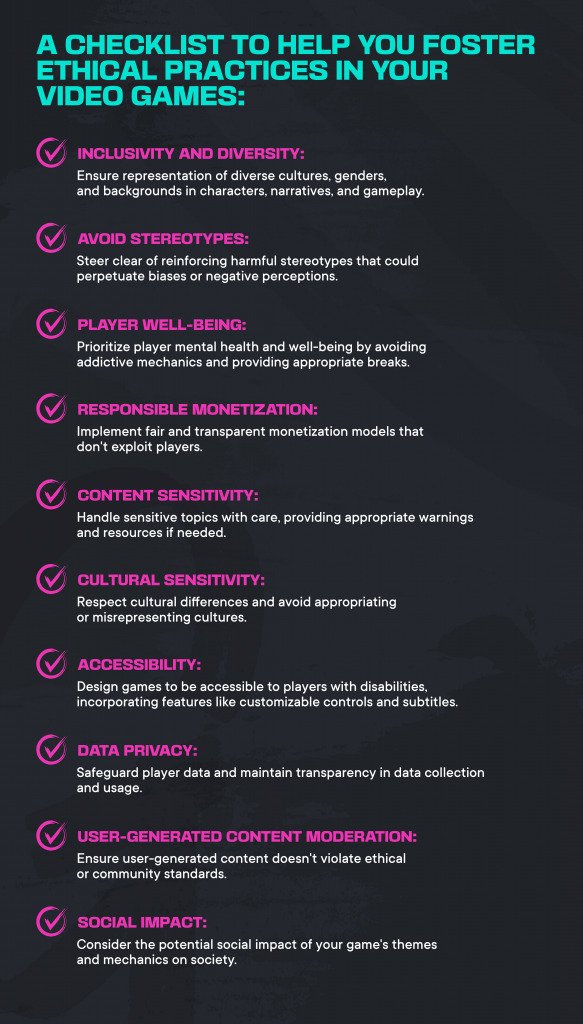
Xbox avoids cultural stereotypes by actively featuring diverse characters and narratives in its games and marketing, aiming for representation that feels authentic and avoids harmful clichés.
Gaming has a massive reach, impacting how we perceive the world and each other. It’s vital that companies like Xbox consider their influence, particularly when it comes to representing different cultures. Xbox avoiding cultural stereotypes is no easy task, but their effort shows a move towards more inclusive gaming.
This involves careful planning in character creation and story design. They are making sure portrayals feel real and respectful instead of relying on outdated tropes.

Xbox Avoiding Cultural Stereotypes
Video games are super fun, right? They let us explore amazing worlds, become powerful heroes, and connect with friends. But sometimes, games can accidentally show people in ways that aren’t fair or accurate. This is called using stereotypes. Xbox, like other gaming companies, has been working hard to make sure their games are fun for everyone and don’t rely on these unfair stereotypes. This is really important because games are enjoyed by people all over the world from different cultures and backgrounds. Let’s dive deeper into how Xbox is making gaming more inclusive and respectful.
Why Avoiding Stereotypes Matters in Gaming
Think about your favorite characters in games. Do they come from all kinds of places and backgrounds? Or do they mostly look and act the same? When games only show one kind of person, it can make other people feel left out or like they don’t belong. Also, when characters from certain cultures are always shown in negative ways, it can be hurtful and inaccurate. It’s important for games to show the world in all its wonderful variety so everyone can feel seen and included. This helps everyone, not just the people who are being stereotyped. Games become more creative and interesting when they draw from different cultures and ideas.
What Are Cultural Stereotypes?
A cultural stereotype is like a simplified picture we have of a group of people, based on their culture, ethnicity, or country of origin. Instead of seeing people as unique individuals with their own quirks and qualities, stereotypes put everyone in a box. For example, thinking that all people from a particular country are good at math, or all people from another country are lazy, is a stereotype. Stereotypes are often based on old and untrue ideas, and they don’t take into account that every person is different. They can also be hurtful and unfair. In games, these stereotypes can show up in how characters look, talk, or act. For instance, a character from an Asian country might always be shown as a martial arts expert, even if that’s not accurate. Or characters from a specific place might all have the same accent or the same type of job.
The Impact of Stereotypes in Games
When games use stereotypes, it can have several negative effects. First, it can make people from the groups being stereotyped feel bad about themselves or like they don’t belong in the gaming community. This is especially hurtful for young gamers who are still forming their sense of identity. It can also make people who don’t belong to that group form false ideas about them. This can contribute to real-world discrimination. Imagine a game where the only black characters are always bad guys or if all the female characters are damsels in distress. These images could be internalized and make young children think that those stereotypes are actually the reality. That’s why it’s so important for game makers to avoid using stereotypes and to show everyone in a respectful and accurate light.
How Xbox is Working to Avoid Cultural Stereotypes
Xbox has been taking several steps to create games that are inclusive and free from harmful stereotypes. These initiatives involve things like making sure their games have diverse characters and storylines, and working with different communities to understand their backgrounds. It’s not always easy to be perfect, but they are learning and growing. Here are some specific actions they are taking:
Diverse Character Creation
One of the main ways Xbox is avoiding cultural stereotypes is by having a large number of characters in their games who are from all kinds of backgrounds. This means that characters have different skin tones, come from different countries, speak different languages, and have different cultural traditions. For example, a character might wear clothing specific to their culture, have cultural traditions that the game shows, or speak a dialect or a different language. This does not mean just having different looking characters, but having characters who feel real, with their own specific stories and personalities.
When creating characters, Xbox’s game development teams are moving away from generalized ideas about people from certain places or groups. Instead, they are creating characters with unique looks, personalities, and backstories. They try not to rely on assumptions or stereotypes. If they are making a character from a specific culture, they are talking with people from that culture, who know the culture and can give them advice. The goal is to make sure each character is a fully developed individual. This helps make games more fun for everyone because it means there are lots of different characters they can identify with, or learn from.
Authentic Storytelling
It’s not just about how the characters look; it’s also about their stories. Xbox aims to create narratives that reflect the rich diversity of the world. This means avoiding stories that reinforce harmful stereotypes, and instead focusing on telling stories that are fair and accurate. For example, instead of showing all people from a certain region as villains, the stories will show different characters with different goals, some good, some bad, some in between.
Authenticity is key. Xbox games are now aiming to tell stories that show people’s backgrounds in a respectful way. When games are made with input from different cultural backgrounds, the end product has better stories. This means that they are working to represent cultures and histories in an authentic manner. This also means talking to cultural experts and including their feedback in game development. They want the stories to not just be entertaining, but educational and accurate.
For example, in a game that includes a fantasy version of a real-world culture, Xbox and the team are careful to avoid taking real-world cultural elements and changing them in ways that are disrespectful. Instead, they might take inspiration from real-world stories and practices, and then create their own unique story that still feels true to its inspiration. This can make the game much more powerful and interesting.
Avoiding Tropes and Cliches
Tropes and cliches are like common storytelling patterns, and they can sometimes lead to stereotypes. A trope is a literary device or recurring theme or element, like a ‘damsel in distress’, or the ‘stoic warrior’. A cliche is an overused or predictable plot or character type.
Xbox is making an effort to avoid these overused themes. Instead of relying on old tropes, they are creating more complex and interesting characters. Here’s how they are actively making a change:
- Breaking Down the Hero/Villain Binary: Instead of showing people as just good or bad, they’re trying to show different characters who have their own motivations, and who might be good sometimes and bad sometimes.
- Challenging Gender Roles: Xbox is working to avoid the tired idea that all girls need to be rescued, or that all men need to be tough. They’re making characters of different genders with a wide range of skills and personalities.
- Beyond Single Narratives: Rather than just telling one type of story, they’re branching out to tell a bunch of different kinds of stories, that represent different kinds of experiences.
By actively avoiding tropes and cliches, Xbox is making sure the characters they develop feel real. It’s a lot more interesting than having all the characters following predictable patterns, and it helps make the games much more engaging for everyone.
Community Engagement and Feedback
Xbox is working hard to listen to what people want to see in games. They do this by talking directly to the gaming community. This is an important part of their commitment to inclusion and diversity. Here are some of the methods they are using:
- Community Forums and Surveys: They are encouraging gamers to share their ideas and feedback through forums and surveys. This helps them learn what people like or don’t like.
- Focus Groups: They sometimes run small groups of people from different backgrounds to talk about games and the characters in them. This way they get honest feedback.
- Cultural Advisors: When developing games that involve characters or settings from specific cultures, they are working with people from those cultures who can help them create characters and stories that are respectful and accurate.
By getting feedback from a wide range of players, Xbox is working to make their games more inclusive. They’re using that information to make changes in their games and in the way they develop games in the future. It’s a continual learning process, and they are always aiming to get better.
Examples of Xbox’s Efforts
While there’s always room to improve, Xbox has already made some strides in creating games that try to be free from cultural stereotypes. Let’s look at a few examples of games and characters where this effort is visible.
Games with Diverse Characters
Many Xbox games feature a variety of characters with different cultural backgrounds and identities. Games that are very diverse show different languages, clothing, and traditions. They don’t fall back on the old ideas.
For instance, some games include characters who speak different languages, have unique traditions, and wear clothing that reflects their culture. These characters aren’t just added to fill a quota; they are given full character arcs and integrated into the story. This helps people who play the game feel that they are seen, and it helps other people learn about other places and groups.
Storylines that Promote Understanding
Besides diverse characters, many Xbox games include storylines that promote understanding and respect between different groups. They show characters working together, even when they are from different backgrounds, and show everyone as capable and important.
These stories can help people see each other as individuals. Instead of always having one person who is the good guy and another person who is the bad guy, they might have characters with different goals and ideas, and who all have both positive and negative qualities. By showing people working together, Xbox games can teach us that we’re all stronger when we learn from each other and work together.
Ongoing Initiatives and Commitment
Xbox’s efforts to avoid cultural stereotypes are not a one-time thing. It’s an ongoing process and initiative. This shows a real commitment to making sure that gaming is fun and welcoming for everyone. Xbox has a public pledge that they are always trying to improve when it comes to diversity and inclusion. They are always talking with game creators, and with players, in order to learn and grow.
This commitment is not just about meeting some standard; it’s about doing what’s right. It’s about making sure that everyone feels like they belong. By keeping this effort in mind, Xbox is creating a gaming space that is fair, welcoming, and enjoyable for all.
Xbox’s effort to avoid stereotypes in gaming is an important move toward making video games more inclusive for everyone. By making characters who are diverse and unique, creating authentic stories, and listening to feedback from the gaming community, Xbox is making sure games are fun for all. While it’s a process that’s never truly finished, this commitment to diversity and respect helps all of us grow, learn, and have fun together.
Dandy's World Toons in a Nutshell #dandysworld #meme
Final Thoughts
Xbox’s approach to inclusive character design and world-building signifies a clear effort to sidestep harmful depictions. They are creating more diverse games that reflect global player bases, which is important.
This intentionality greatly contributes to a positive gaming experience for everyone. Xbox avoiding cultural stereotypes is a must in today’s world. This commitment to representation is key for their future success.

