
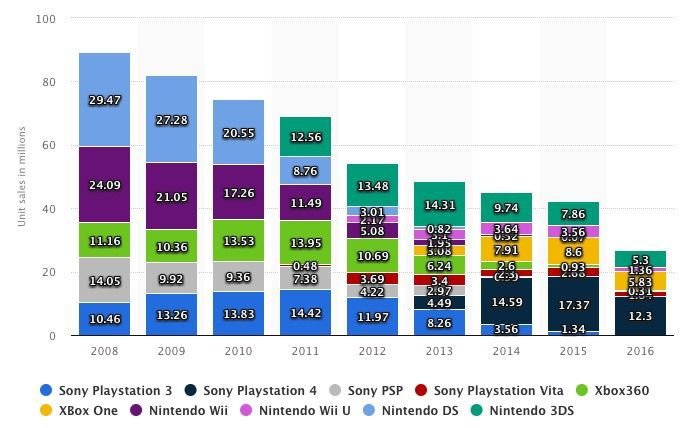
Analyzing Xbox competitors reveals that PlayStation and Nintendo are the major players, each with distinct console ecosystems and game libraries.
Understanding the competitive landscape is crucial for any business, and the gaming industry is no exception. We’re diving into Xbox competitor analysis, examining the key rivals and their strategies. This will help you get a clear picture of the challenges and opportunities for Microsoft’s gaming division.
We’ll specifically explore how PlayStation’s focus on exclusive AAA titles and Nintendo’s unique family-friendly approach impact Xbox’s market position. It’s important to consider things like price points, subscription services, and user base engagement. These factors all influence each console’s performance.

Xbox Competitor Analysis
Okay, let’s dive deep into the world of video games and talk about Xbox! It’s a big player, but it’s not the only one in the sandbox. To really understand how well Xbox is doing, we need to look at its main rivals. Think of it like a race – Xbox is trying to win, but it has to keep an eye on the other fast cars on the track. This is what we call competitor analysis, where we check out who else is selling similar products and how they’re doing it. This helps Xbox, and us as gamers, understand where they stand and how they can get even better.
The Big Players in the Console Game
When we talk about Xbox competitors, the first name that usually pops into most people’s minds is PlayStation, made by Sony. It’s like the biggest rival at school – always neck-and-neck with Xbox for the top spot. But there’s more to the story. The gaming world isn’t just about consoles, and that’s where Nintendo comes into play. Nintendo often takes a different approach, focusing on different kinds of games and experiences, but is still a huge player. Then there’s the PC gaming world, which is a whole different beast altogether. Let’s break each of these down.
PlayStation: The Head-to-Head Rival
PlayStation, primarily known for its PlayStation 5, is Xbox’s main competitor in the traditional console market. They both aim for similar customers – people who want powerful consoles with lots of games to play.
- Console Power: Both consoles are pretty powerful, meaning they can run games with impressive graphics. They often go back and forth with which console is more technically advanced, but in daily life they both perform pretty well.
- Exclusive Games: This is a big battleground. Both Xbox and PlayStation try to get awesome games that you can’t play anywhere else. PlayStation is known for its story-driven games like “God of War” and “The Last of Us,” while Xbox has franchises such as “Halo” and “Gears of War.” These exclusive titles often make or break peoples’ decisions on which console to purchase.
- Online Services: Both offer online services that let you play with your friends. PlayStation has PlayStation Plus, and Xbox has Xbox Game Pass. These services also sometimes offer free monthly games and other perks.
- Marketing Strategy: PlayStation generally tends to focus on cinematic experiences and big-budget titles in their marketing. Xbox often emphasizes the value of Game Pass and its range of compatible devices.
Nintendo: The Different Approach
Nintendo, with its popular Nintendo Switch and Switch Lite, takes a different approach than Xbox and PlayStation. They’re less focused on super-powerful graphics and more focused on fun and unique gameplay. This often allows them to reach a different demographic compared to Xbox.
- Focus on Fun: Nintendo’s games are often more colorful and family-friendly. They’re known for games like “Mario,” “Zelda,” and “Animal Crossing” that are fun for all ages.
- Hybrid Console: The Nintendo Switch can be played on a TV like a normal console, but it can also be taken on the go as a handheld device, which is a big selling point.
- Less Focus on Power: While it is a capable console, Nintendo’s Switch isn’t as powerful in terms of raw performance as the latest Xbox or PlayStation. They rely more on game design and art styles.
- Unique Controllers: The Switch’s Joy-Con controllers can be used in different ways, adding to the fun and novelty of gameplay.
PC Gaming: A Different Kind of Battle
PC gaming is more like a whole different universe compared to consoles. It’s not really about one single company, but many companies that build computers and games. PCs offer a ton of flexibility and power, but they’re different from the fixed experience of a console.
- Flexibility and Customization: You can build a PC to your exact liking. You can choose the graphics card, processor, and other components to make it as powerful as you want. You can use it for other things too, not just gaming!
- No Console Exclusives (Mostly): While some games are exclusive to certain platforms, many are available on PC. This means you are not tied to one specific company for games.
- High Costs: A powerful gaming PC can be more expensive than buying a console. However, you might be able to get by with a less expensive PC for older and less graphically demanding games.
- Online Services: PC gaming is mostly decentralized, with services like Steam, Epic Games Store, and GoG offering various games and online features. You can play with friends and chat easily using different applications.
Analyzing the Strengths and Weaknesses
Now, let’s get into what each competitor is good at, and where they might have problems. This gives us a better idea about how they compare to Xbox.
PlayStation’s Strengths and Weaknesses
- Strengths:
- Strong Exclusive Games: PlayStation has some of the best and most highly-rated story-driven games in the world. These exclusives often convince people to purchase their console.
- Brand Recognition: PlayStation is a household name. Many people grew up playing on their consoles.
- Focus on High-End Experiences: PlayStation tends to focus on giving their players the most “high-end” or AAA game experiences.
- Weaknesses:
- Can Be Expensive: PlayStation games and accessories are sometimes expensive, and it can be a barrier for some players.
- Limited Backwards Compatibility: They might not offer full backwards compatibility with older PlayStation consoles, which means you may not be able to play all of your favorite games from the past.
- Less Focus on Value Services: While they offer PlayStation Plus, Xbox Game Pass is currently seen as a higher value offering by many.
Nintendo’s Strengths and Weaknesses
- Strengths:
- Unique Gameplay: Nintendo focuses on making very fun and unique games, not just the most visually impressive ones.
- Portability: The Switch’s ability to be played on the go is a huge advantage.
- Family-Friendly: Nintendo’s games appeal to younger players and families.
- Weaknesses:
- Less Powerful Hardware: Nintendo’s console isn’t as powerful as Xbox or PlayStation, which means some games might not look as impressive.
- Limited Online Services: Nintendo’s online services are often seen as being less fully featured compared to their competitors.
- Fewer Mature Games: Nintendo generally tends to have fewer mature rated games compared to Xbox or PlayStation.
PC Gaming’s Strengths and Weaknesses
- Strengths:
- Customization: Players can customize and upgrade their PCs to exactly how they want them.
- Variety of Games: PC gaming has the biggest variety of games that can be played.
- Flexibility: PCs can be used for work, school, and gaming.
- Weaknesses:
- Can be Expensive: A good gaming PC can cost significantly more than a console.
- Technical Issues: You might have to deal with things like driver updates and compatibility problems, which consoles are less susceptible to.
- No Universal Platform: The fragmented nature of PC gaming can make it less organized compared to the unified experience that consoles offer.
How Xbox Fares Against the Competition
So, how does Xbox stack up against all these competitors? Let’s look at some key factors.
Xbox Game Pass: A Game Changer
Xbox has a unique advantage with Xbox Game Pass, a subscription service that lets you play a large library of games for a monthly fee. It’s like Netflix for video games! This is especially popular among the value-conscious gamers, and allows people to try out a wide variety of games. This is a big draw compared to paying for each game individually, which is typically the case on the other platforms.
Console Power and Performance
The latest Xbox console, the Xbox Series X, is very powerful. It can play games with amazing graphics and fast loading times, and is generally on-par with PlayStation in this regard. Xbox and PlayStation constantly are pushing the limits of what these consoles can do, and will continue to do so.
Exclusive Games
Xbox has some popular exclusive franchises, like “Halo” and “Gears of War,” but many think they don’t have as many widely acclaimed exclusive titles as PlayStation. This is a big area where Xbox is always trying to improve. Having exclusive games that people really want to play is a major advantage in the console race.
Ecosystem and Cross-Play
Xbox has focused on creating a more unified gaming ecosystem. They want to make it easier for players to play on different devices and with friends, no matter what they play on. This includes the ability to play some of their games on PCs, or even on your phone with cloud gaming. They are actively working to add cross-play functionality to their games, allowing players from different platforms to play together.
Customer Loyalty and Brand Perception
Xbox has a dedicated fan base, but it might not have the same level of brand loyalty as PlayStation, or the family-friendly appeal of Nintendo. Xbox is trying to appeal to different groups of gamers and they continue to find new ways to improve their customer loyalty.
Future Trends and Challenges
The gaming world is always changing. Here are some things that could affect the competition in the future.
Cloud Gaming
Cloud gaming allows you to play games on different devices without needing a powerful console or PC. You stream the game from the cloud, like watching a movie on Netflix. Xbox is investing heavily in this technology with its Xbox Cloud Gaming service, but its competitors like PlayStation also have their own versions. Cloud gaming may eventually eliminate the need for expensive consoles in the future.
Subscription Services
Game subscription services like Xbox Game Pass are becoming increasingly popular. This model of paying a monthly fee for access to a library of games is likely to continue. How companies continue to offer value to users with these services is something that everyone is working on.
Cross-Platform Play
More and more games are letting players play together no matter what device they are using, and it’s likely this trend will continue. Cross-play allows for greater connectivity between gamers, and makes it easier to find friends to play with.
Virtual and Augmented Reality
VR and AR are new and exciting areas for gaming. While it is yet to take over the main market, VR and AR could become more popular in the future. Companies like Sony have VR products available and there are more and more games being developed for it.
The Evolving Gaming Market
The gaming market is always evolving, and new technologies and trends will always emerge, affecting the competitive landscape. Understanding the current state of the market and the directions things might go is key to understanding what’s next in this constantly changing industry.
In the end, Xbox faces stiff competition from Sony, Nintendo, and the diverse PC gaming landscape. Each competitor has its own strengths and weaknesses, and the gaming market continues to evolve. Xbox will need to continue to focus on what makes it stand out, and keep an eye on what its competitors are doing.
Amazon's Brilliant Positioning that may kill Xbox | Master Strategy
Final Thoughts
In short, Playstation maintains a strong position due to its exclusive titles and brand recognition. Nintendo offers a unique experience with family-friendly games and innovative hardware. The PC gaming market provides flexibility and performance but differs significantly in platform.
Analyzing these factors reveals key areas for Xbox to adjust. Xbox competitor analysis shows the importance of differentiating its services and game library. Competition remains very intense and requires continuous adjustments.

