
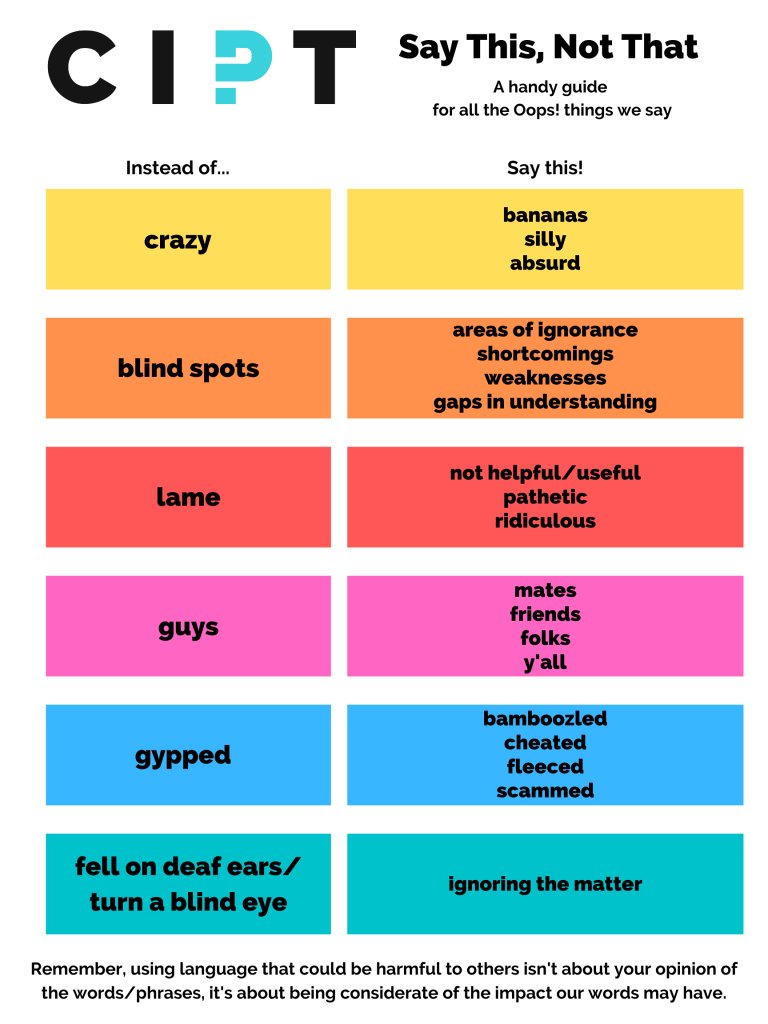
Xbox inclusive language guidelines promote using respectful and welcoming language in all interactions related to the platform.
Have you ever considered how words shape experiences? Language truly impacts how people feel and perceive the world around them. This is especially true within gaming communities. Xbox inclusive language guidelines focus on creating a space where everyone feels safe, respected, and valued.
These guidelines encourage players and developers to use language that avoids stereotypes and harmful terms. By following these guidelines, we can foster a more positive and engaging gaming environment. Xbox believes everyone should feel welcome to play, no matter their background.

Xbox Inclusive Language Guidelines: Creating a Welcoming Gaming World
The world of gaming is for everyone, and Xbox believes that deeply. That’s why they’ve put a lot of thought into how they communicate. Their inclusive language guidelines aren’t just a set of rules; they’re a way to make sure everyone feels welcome and respected when they’re playing, chatting, or exploring the Xbox universe. These guidelines focus on using words that are kind, considerate, and don’t accidentally leave anyone feeling excluded. Let’s explore what these guidelines mean and how they create a positive gaming experience for all.
Why Inclusive Language Matters
Words have power. They can build people up or tear them down. Think about it – if someone uses a nickname you don’t like, it doesn’t feel good, right? Now imagine that feeling multiplied, happening to people because of their race, gender, or abilities. That’s why inclusive language is so important. It means choosing words that acknowledge and respect everyone’s differences. Xbox wants to make sure everyone who joins in the fun feels like they belong. It helps create a community where everyone is treated fairly and can enjoy playing without fear of being judged or hurt by language.
Understanding the Impact of Language
Sometimes, we don’t even realize that the words we use might be hurtful. Certain words might have been common in the past but carry negative baggage now. They may have been used to discriminate against or make fun of different groups of people. Xbox wants everyone to think about the impact of their words and make the effort to be more considerate. It’s not about policing how people speak; it’s about growing and learning together. Choosing inclusive language shows that you respect others and are creating a better gaming environment.
Key Principles of Xbox Inclusive Language
Xbox’s approach to inclusive language is built on some core ideas. These aren’t difficult to grasp, and once you understand the principles, you’ll see how they guide the specific word choices. Here are a few of the big ones:
- Respect for all Identities: Every person is unique, and their background, gender, race, and ability should be acknowledged with respect. This includes using correct pronouns and avoiding language that demeans someone’s identity.
- Avoiding Stereotypes: We should never make assumptions about people based on their group. We all know that not all people in a group are the same. Avoid language that makes generalized assumptions about someone.
- Person-First Language: When talking about someone with a disability, it’s best to put the person first. For example, instead of saying “a disabled person,” you would say “a person with a disability.” This way, we focus on the person and not just on their disability.
- Clarity and Accessibility: The language we use should be clear and easy to understand for everyone, including players who might have different language skills or may use screen readers or other assistive technologies.
- Use of plain language: Try to use simple words and sentences that everyone can understand. Avoid using words that are very technical, or words that many people don’t use on an everyday basis.
Specific Areas of Focus: What to Avoid
While focusing on positive choices, it’s also important to know what language to avoid. Xbox guidelines specifically highlight areas where you should be extra careful with your word choices.
Gender and Sexuality
Using correct pronouns is very important. Misgendering someone, even unintentionally, can be hurtful. If you’re unsure of someone’s pronouns, it’s always best to ask politely. Avoid using gendered terms that are not necessary or when speaking about a group with mixed genders and always try to use neutral terms. It’s equally important to use respectful language when referring to someone’s sexuality, or avoid mentioning it altogether if it’s not relevant.
Race and Ethnicity
Avoid using slurs or any words or phrases that have a history of being used to oppress or mock racial and ethnic groups. Refrain from making jokes or comments that are based on someone’s race or where they come from. It’s crucial to understand that even if a word is considered ‘harmless’ by you, it could still cause someone pain based on their background.
Disability
Be respectful of individuals with disabilities. Avoid using derogatory language or language that demeans someone’s ability. Use person-first language, and try to focus on the person’s strengths rather than limitations. Make sure you do not use words or phrases that are used to ridicule disability. For example, it is important to understand that words like ‘crazy’ or ‘insane’ can be disrespectful and stigmatizing towards people with mental health conditions.
Socioeconomic Status
Avoid language that makes fun of people based on their background, income, or social status. Everyone’s experiences are valid, and it’s important to create an environment where no one feels less worthy because of where they come from.
Age
Don’t make assumptions about anyone based on their age. Avoid using language that is ageist. For instance, avoid using the word ‘old’ in a negative way when you are speaking about elderly people. Everyone’s contributions and experiences are valuable regardless of how old they are.
Religion and Beliefs
Be considerate and respectful of all people’s religion and beliefs, whether they have a religion, or they don’t. Do not make jokes or use any language that mocks anyone’s religion. It’s very important that everyone feels welcome in the gaming space, regardless of their faith or belief.
Practical Examples of Inclusive Language
Okay, so we’ve covered what to avoid, but what does inclusive language actually look like in action? Here are some practical examples to guide your communication:
Instead of This…
- “Hey guys!” (when addressing a mixed-gender group)
- “That’s so lame!” (potentially ableist language)
- “He’s confined to a wheelchair.”
- “You wouldn’t understand, you’re too old.”
- “She is acting crazy.”
- “Only a few minorities play this game.”
Try This…
- “Hey everyone!” or “Hey folks!”
- “That’s disappointing,” or “That’s not great.”
- “He uses a wheelchair.”
- “Everyone’s experience is different; let’s see if we can understand each other.”
- “She is behaving in an unexpected way.”
- “There are many different kinds of players in this game.”
Why these changes are needed:
These examples demonstrate how you can change your common language to a language that is more sensitive and respectful of others. It only takes a slight change in language to create a more welcoming environment.
Implementing Inclusive Language in Gaming
It’s great to learn about inclusive language, but how do we put it into practice while we play? Here are some tips for implementing these guidelines within your gaming experiences.
Think Before You Speak or Type
Take a moment before you say or type something. Ask yourself, “Could this be hurtful to anyone?” or “Am I making an assumption about someone?” Being mindful of your language is the first step toward using inclusive language. It’s a good habit to get into both online and offline.
Challenge Exclusive Language When You See It
If you hear someone using language that’s not inclusive, speak up respectfully. You could say something like, “Hey, maybe we could say it this way instead?” or “I’m not sure that word is okay.” Helping each other learn and do better is part of building a strong community.
Use Reporting Features
Xbox has reporting systems in place that help take care of harassment and inappropriate language. If you come across something that is clearly disrespectful or harmful, use these features to report it. It helps keep the gaming community safer for everyone.
Be Open to Learning and Feedback
No one’s perfect. We all make mistakes. If someone tells you that the language you use isn’t okay, listen with an open mind. Try to understand why it was hurtful. Use it as an opportunity to learn and grow.
Lead by Example
Be a role model for inclusive language in your own interactions. Show others that it’s not hard to be respectful of all. You can help make the gaming world a more friendly and positive place by your behavior.
The Benefits of Inclusive Gaming
Creating an inclusive gaming environment isn’t just about following the rules; it brings a lot of benefits for everyone.
A More Welcoming Community
Inclusive language helps to foster a community where everyone feels welcome and valued. When we use respectful language, it helps to build trust and friendships, which in turn leads to better online interactions and helps you enjoy your gaming even more.
Increased Participation
When people feel respected, they’re more likely to participate in online discussions, team up for games, and become engaged with the community. Inclusive gaming can lead to bigger groups of people joining and having fun together, meaning that you will have more people to play with.
Better Communication
Using inclusive language can help improve how you communicate with others. When we choose words with care, we’re more likely to be clear and understood. It also helps you become a better communicator in general, not just while gaming.
A Richer Gaming Experience
When everyone feels included, the gaming experience is much richer. We get to interact with people from diverse backgrounds, learn from each other, and create strong connections. A diverse gaming community helps enhance the fun and make it more fulfilling.
Xbox’s Commitment to Inclusion
Xbox’s inclusive language guidelines are part of a larger effort to create a gaming environment where everyone can feel respected and included. It’s not just about words; it’s about a culture of kindness and respect. By committing to inclusive language, Xbox hopes to build a community that is welcoming and enjoyable for all players. Xbox continues to grow and improve, and will strive to create the safest and most inclusive gaming community.
These guidelines are not about making things harder or limiting expression. Rather, they are about encouraging everyone to communicate with more care, more empathy, and a better understanding of each other. By working together, we can build a gaming world where everyone is valued, respected, and can play to their fullest potential.
Xbox Accessibility Disability Etiquette
Final Thoughts
Adopting Xbox inclusive language guidelines creates better experiences. These guidelines promote respectful and accessible communication within games and platforms. Using thoughtful language helps build positive communities.
Following these guidelines makes gaming enjoyable for everyone. It ensures content feels welcoming and avoids unintentionally excluding players. We must implement these best practices for positive impact.
Ultimately, embracing Xbox inclusive language guidelines demonstrates a commitment to inclusion. By carefully choosing our words, we shape more welcoming gaming spaces.

