
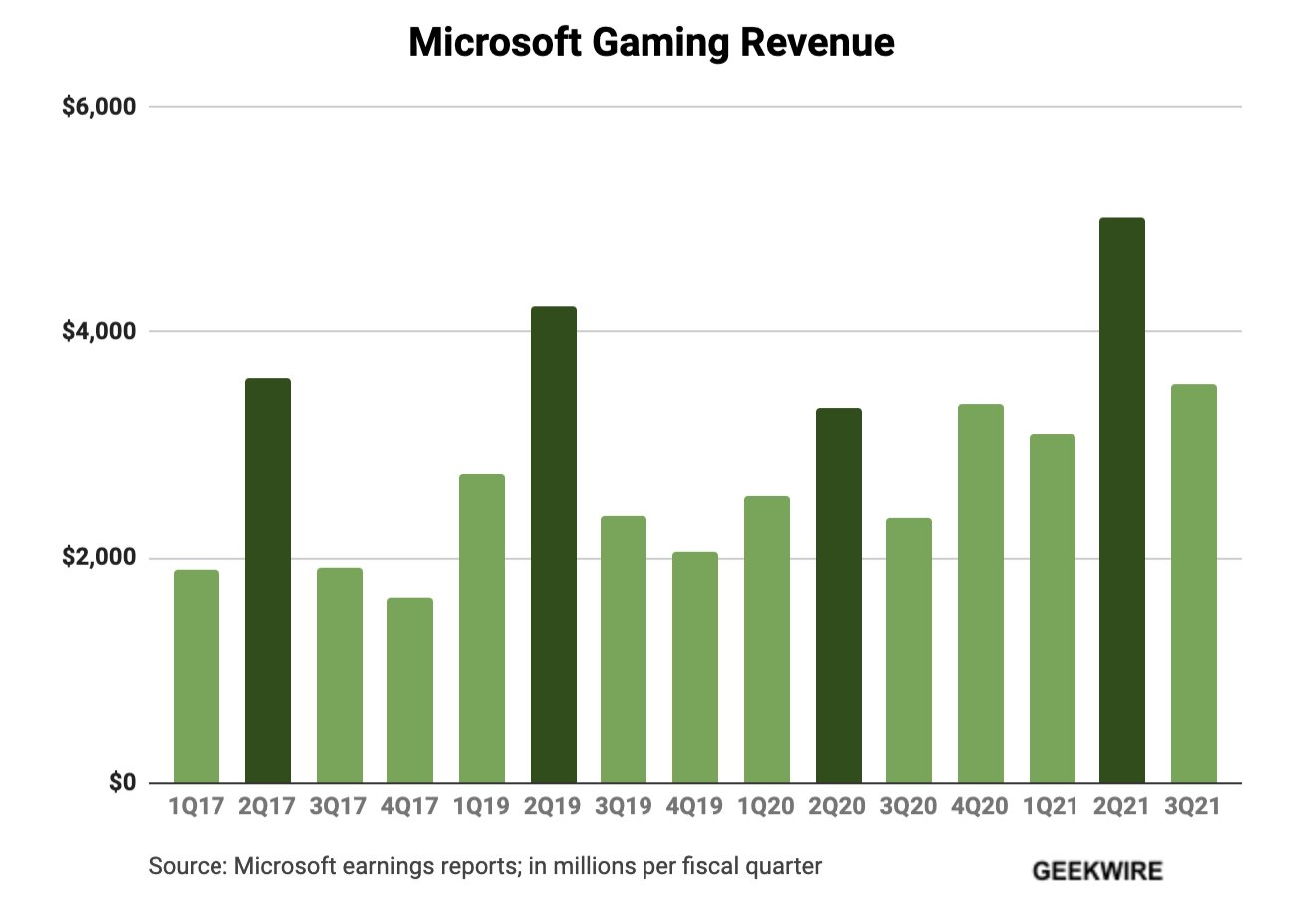
Xbox profitability analysis indicates that while hardware sales may fluctuate, consistent revenue streams come from game sales and subscription services like Game Pass.
Is the Xbox ecosystem truly thriving, or are there hidden challenges beneath the surface? We often hear about impressive console sales figures and popular game releases, but what does this actually mean for the financial health of the Xbox division? Delving into Xbox profitability analysis reveals the intricate dynamics at play.
Understanding the diverse revenue streams beyond hardware sales becomes essential. It’s not simply about the consoles themselves; services such as Game Pass are now significant contributors. This deeper look helps us piece together a comprehensive picture of Xbox’s financial performance.

Xbox Profitability Analysis
Let’s dive deep into the world of Xbox and figure out how Microsoft makes money with it. It’s not just about selling consoles; there’s a whole bunch of stuff that goes into making the Xbox business tick. We’re going to break it down so it’s easy to understand, even if you’re not a business whiz!
Understanding the Basics: What Makes Up Xbox Revenue?
Before we get into the nitty-gritty of profit, let’s look at the different ways Microsoft earns money from Xbox. Think of it like a pizza – it’s not just one big slice; there are many different parts.
Hardware Sales: The Console Itself
First off, there’s the console itself. When someone buys an Xbox Series X or an Xbox Series S, that’s direct revenue for Microsoft. But it’s not as simple as ‘sell a console, make a profit’. The cost of building the console, the parts, and putting it together all play a huge part. Sometimes, Microsoft even sells consoles at a loss, hoping to make up the difference later on (we’ll talk about that in a bit).
Software Sales: The Games We Love
Next up are the games! This is a big one. Whenever someone buys a game on disc or downloads it from the Xbox store, Microsoft gets a cut. This includes all sorts of games, from the big-budget titles to the smaller indie ones. The more games people buy, the more money flows into the Xbox business. It’s one of the most consistent sources of income.
Xbox Game Pass: The Subscription Powerhouse
Then, there’s Xbox Game Pass. This is a subscription service where people pay a monthly fee to access a library of games. It’s like Netflix for games. This is a really important part of Xbox’s plan because it provides a recurring revenue stream – a steady flow of income each month. Game Pass has grown massively and significantly contributes to Xbox’s profitability.
Xbox Live Services and Other Revenue Streams
Don’t forget about Xbox Live! While the multiplayer aspect is now largely rolled into Game Pass, there are still smaller services and microtransactions within games that provide revenue. Think of buying special outfits for your game character or extra in-game content. These small things can add up to big profits, and they’re often called “microtransactions”.
The Cost Side of Things: Where Does the Money Go?
Okay, we know how money comes in, but where does it go out? Just like having expenses when you run a lemonade stand, Xbox also has costs. We have to think about these costs to truly figure out the profitability.
Research and Development: Building Better Xboxes
A significant chunk of money goes into research and development (R&D). This is where Microsoft engineers and designers work on new console ideas, improvements to existing consoles, and advancements in gaming technology. R&D is very expensive, but necessary for Xbox to stay competitive and to make sure they have cool new stuff coming out.
Manufacturing Costs: Making the Consoles and Accessories
Then comes manufacturing. The parts for Xbox consoles – the chips, the plastic, the memory – they all cost money. And it’s not just the console; controllers, headsets, and all other accessories need to be made too. These costs can vary depending on the global supply of raw materials and the manufacturing process itself. A lot of this is built by other companies but Microsoft has to pay for each part and to put it all together.
Marketing and Advertising: Getting the Word Out
To get people excited about new games and consoles, Microsoft spends a lot on marketing and advertising. Think of the commercials you see on TV, the ads online, and the promotion at game stores. These campaigns need big budgets, but they are very important to create awareness and drive sales. You need to tell people what’s good in order to sell it.
Distribution and Logistics: Getting Products into Stores and Homes
Getting Xbox products into stores and then into customers’ homes isn’t free. There are transportation costs, warehouse fees, and costs associated with shipping. This logistical side of the business can add significant expense, and it’s often overlooked.
Game Development and Publishing: Funding the Fun
Microsoft also spends a lot of money developing and publishing games, either internally or by funding external game studios. Creating high-quality games that people want to play requires significant investment, which includes paying game developers, designers, musicians, and other people involved in making the games. It’s not easy to make a great game, so it’s costly.
The Profit Puzzle: Putting Revenue and Costs Together
Now, the big question: is Xbox profitable? It’s not a simple yes or no answer. It’s more like a puzzle with many pieces.
Initial Console Losses: A Common Strategy
When a new console comes out, it’s common for companies, including Microsoft, to sell it at a loss. This means that they spend more money building the console than they charge customers for it. It seems counterintuitive, but it’s a plan. They hope to make up for this loss later with game sales, subscriptions, and other services.
The Long-Term Game: Subscription and Software Sales
The real game plan for Microsoft isn’t just about selling consoles. It’s about building a long-term relationship with players. This is where subscription services like Xbox Game Pass become important. They provide a recurring revenue stream that can offset initial losses on hardware. Plus, the more people use the Xbox platform, the more likely they are to buy games and other content, which further boosts profitability. This is why Game Pass is so important to their overall business plan.
The Xbox Ecosystem: Keeping Players Engaged
Microsoft has built what’s called an “ecosystem”. It’s a whole network of products and services designed to keep players connected and engaged. This includes the Xbox consoles, PC gaming with Xbox games, Xbox Game Pass, cloud gaming, and the Xbox community. The more people use this ecosystem, the more profitable it becomes for Microsoft. It’s like creating a fun place people want to hang out in and then making sure they have the options to spend money while there.
Analyzing Xbox’s Profitability Over Time
The profitability of Xbox has changed over the years. We should consider how the gaming market itself evolves.
The Early Days: Building a Presence
In the early days of the Xbox, there was a big focus on gaining market share. It wasn’t about instant profits; it was about establishing the Xbox brand as a major player in the gaming world. This included heavy investment in new hardware, and game studios. In this era, Microsoft did not make significant profits. Instead they focused on building a strong brand, securing partnerships and getting consumers to adopt the platform.
The Xbox 360 Era: A Turning Point
The Xbox 360 era marked a turning point. It was incredibly popular, and this resulted in increased hardware sales and more importantly, software sales and Xbox Live subscriptions. These subscriptions became an important revenue stream for Microsoft and set them up to the strong position they are in today. This era was more profitable than the first Xbox console.
The Xbox One Era: Challenges and Changes
The Xbox One faced some challenges at launch, which included competition from Sony’s PlayStation 4. However, it also made progress in subscription services, with Xbox Live gaining more members. It’s here they had to re-think their approach to hardware and game services. They started to lay the groundwork for what became Xbox Game Pass. It wasn’t a complete success, but it was an important transition period.
The Current Generation: Xbox Series X/S and Game Pass Focus
Now, with the Xbox Series X and S, the main focus is on Xbox Game Pass. This has reshaped the way Microsoft approaches profitability. It’s about having a steady stream of subscribers who pay each month, rather than just selling as many consoles as possible. The hardware is still important, but it’s the subscription model that drives their future growth.
The Future of Xbox Profitability: What Lies Ahead?
What does the future hold for Xbox’s profits? Here’s what we need to keep an eye on:
Continued Growth of Xbox Game Pass
The continued growth of Xbox Game Pass is very important for Microsoft. The more subscribers they have, the more money they earn. This is why they are always adding new games and trying to improve the service. Expanding the library and features will be key for this.
Cloud Gaming and Expanding Access
Cloud gaming could allow more people to play games without needing a powerful console. This could lead to more subscribers for Game Pass and new revenue. If they can get their cloud technology to be good, this will be a huge boost for Microsoft’s business.
Investments in New Games and Studios
Microsoft continues to invest heavily in game development. This involves acquiring new game studios and developing new games which are essential for keeping players happy and coming back. They need quality games in order to keep their subscribers and to attract new ones. This ensures that the company can deliver a constant supply of quality content.
Competition from Other Gaming Platforms
The gaming world is competitive. Sony’s PlayStation, Nintendo, and PC gaming platforms all compete for players’ time and money. Microsoft has to keep innovating and offering a better value proposition to stay ahead of the game. It is always a battle to win over gamers.
Key Factors Affecting Xbox Profitability
Several factors can influence the profitability of the Xbox business. It’s not just about how many consoles they sell; there are many other factors at play.
Economic Conditions
The overall economy can have an influence on gaming. If the economy is not doing well, people might not buy games or consoles. Economic downturns can cause shifts in spending habits that will impact the industry, as people may be less willing to spend money on non-essential items like video games. Therefore, Xbox sales can rise and fall with the economy.
Technological Advancements
New technologies, such as virtual reality (VR) and augmented reality (AR) are important factors to monitor. It is important for Microsoft to invest in these new technologies to continue to innovate their platform and to compete with rivals. These new technologies might create new markets or change how people game.
Consumer Preferences
Understanding what games people want and how they prefer to play is very important. Trends in gaming change all the time, so it is important that the company understands gamers’ preferences and desires. The most popular games are frequently different from year to year so it’s key to pay attention to these changes.
Supply Chain Issues
The ability to make and ship consoles to stores can impact sales. Global events and manufacturing bottlenecks can create issues that prevent people from buying products. If there are delays it can lead to lost sales.
Marketing and Branding
Microsoft’s efforts to convince players that Xbox is a great choice, through advertisement and media coverage, impacts profitability. A strong marketing campaign is essential to attracting new gamers and keeping their current player base satisfied. The better the branding the better the sales.
The Role of Services in Xbox’s Financial Strategy
The financial strategy of Xbox is no longer just about console sales. Services like Game Pass and cloud gaming are critical to how Microsoft makes money. They are moving toward a model similar to other subscription services.
Recurring Revenue
Services like Xbox Game Pass bring in money every month, which is a much more stable form of income. It’s very important to have this monthly income so that they can cover the cost of making the hardware and the games that people love to play. That is why Xbox Game Pass is a key component of their strategy.
Engagement and Ecosystem
A strong ecosystem of services such as Xbox Game Pass also keep users engaged. When gamers subscribe to services they are more likely to continue to engage with the Xbox platform and therefore buy more software. It keeps people hooked.
Data and Insights
Service subscriptions provide Microsoft with valuable data on player habits. They can understand what games people like and what they are looking for in the future. This data is important for them to be able to create better content and make better decisions on how to make more money. This is extremely valuable information that helps them improve.
So, is Xbox profitable? It’s a complex question. It’s not just about selling consoles; it’s about building an entire ecosystem of games, subscriptions, and services. The picture is constantly evolving, and Microsoft is adapting to changes in technology and consumer preferences. They aim for long-term engagement and ongoing subscription revenue rather than short-term sales spikes, and that’s how the future of Xbox profitability looks.
The Economics Behind Xbox's Dominance in the Home Gaming Market
Final Thoughts
Xbox profitability analysis reveals a mixed picture. Hardware sales often operate at low margins, while services like Game Pass provide more consistent revenue. The overall profitability depends on the success of these varied revenue streams.
Ultimately, sustained success hinges on balancing hardware sales with the lucrative subscription service model. The future direction of Xbox depends largely on this delicate balance and the performance of all their offerings.

