
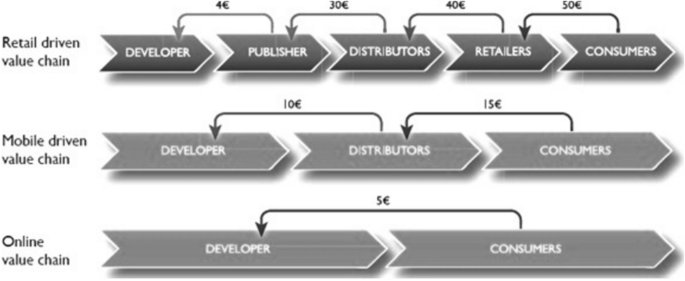
Xbox supply chain management focuses on the planning and execution of sourcing materials, manufacturing, and distribution of Xbox consoles and related products to meet consumer demand.
Ever wondered how your shiny new Xbox console makes its way from factory to your living room? It’s a complex journey, and understanding the intricacies of Xbox supply chain management reveals a fascinating world. It’s about much more than just assembling parts; it’s about predicting demand, ensuring timely deliveries and dealing with unexpected disruptions.
This process involves coordinating various players, from component manufacturers to shipping companies. Effective Xbox supply chain management is critical for ensuring a consistent flow of consoles into the hands of eager gamers around the globe.

Xbox Supply Chain Management: How the Magic Happens
Ever wondered how a shiny new Xbox makes its way from a factory to your living room? It’s not just magic; it’s a carefully planned process called supply chain management. Think of it like a giant, intricate puzzle where each piece – from tiny electronic parts to the cardboard box – has to arrive at just the right time and place. Let’s dive into the exciting world behind the scenes of Xbox production.
The Journey of an Xbox: From Raw Materials to Retail
The Xbox journey isn’t a simple hop. It’s more like an epic adventure that starts with raw materials and ends up with a happy gamer. Here’s a look at the major steps:
Sourcing the Components
An Xbox isn’t made from one thing. It’s a complex device composed of thousands of different parts. These parts include:
- Processors (CPUs and GPUs): These are the brains of the Xbox, made by companies like AMD. They handle all the game calculations and graphics.
- Memory (RAM and Storage): This is where the Xbox keeps things it’s working on. This includes both fast, short-term memory and long-term storage for games.
- Circuit Boards: These are like the roads that connect all the different parts of the Xbox.
- Controllers: These are the tools we use to play games and need careful design.
- Plastic and Metal Casings: These are what gives the Xbox its shape and protect the internal parts.
- Power Supplies: This is what gives the Xbox the electricity it needs to work.
Microsoft works with a global network of suppliers, finding the best parts from different parts of the world. It’s like a giant treasure hunt, where they’re looking for the most efficient and high-quality pieces to fit into their puzzle.
Manufacturing and Assembly
Once the materials are secured, the manufacturing process begins. This involves several key phases:
- Component Manufacturing: Factories churn out the individual parts, from microchips to plastic cases. This often happens in various countries.
- Assembly: The individual components are put together at specialized plants to form the console itself. This stage is where the magic happens. Robotic arms and skilled workers combine the circuit boards, processors, and other components into a functional unit.
- Quality Control: Each assembled console then goes through rigorous quality checks. This includes testing the performance, functionality of every component to ensure the final product works correctly and meet the standards
Think of it like a super-fast car factory, but instead of cars, they are building Xboxes.
Distribution and Logistics
After the manufacturing process, the Xboxes need to reach the gamers around the world. This is where the distribution and logistics come into play.
- Packaging: The Xboxes are carefully placed into their boxes, along with controllers, power supplies, and manuals.
- Warehousing: These packaged consoles are moved to large warehouses where they wait for shipment.
- Shipping: From warehouses, the products are shipped to different countries. They might travel by trucks, trains, ships, and even planes.
- Retail Distribution: Eventually, Xboxes end up in stores or at online retailers, ready for sale.
It’s like a global delivery service where every package has to arrive on time and in perfect shape.
Challenges in Xbox Supply Chain Management
Managing the Xbox supply chain is not always smooth sailing. There are numerous challenges they must navigate:
Supply and Demand Fluctuations
The popularity of video games can change quickly. If a new, exciting game is released, there could be a sudden rush for Xboxes. Predicting and keeping up with these changes in demand is very hard, and not having enough consoles can lead to disappointment for potential buyers.
Geopolitical Issues
Global events, like trade wars or political problems, can disrupt the flow of parts and finished consoles. If a major supplier experiences some issues, it can cause serious delay in production.
Natural Disasters
Hurricanes, earthquakes, and other natural disasters can easily halt production in factories. This can also create logistical problems. These unforeseen events can lead to major supply chain problems.
Technological Advances
The tech world changes very fast. New technologies mean that parts or production techniques can become outdated quickly. The process of transitioning to new tech while keeping the supply chain flowing can be very difficult.
Component Shortages
Sometimes there aren’t enough specific parts, like computer chips, to go around. This can lead to delays in manufacturing Xbox consoles. These shortages can cause significant production problems.
Strategies for Effective Supply Chain Management
To overcome these challenges, Microsoft uses various strategies to manage their Xbox supply chain:
Building Strong Supplier Relationships
Microsoft doesn’t just treat their suppliers as providers but as partners. This creates trust and collaboration, ensuring a smoother flow of components. It ensures a healthy working relationship.
Diversifying Suppliers
Instead of relying on just one supplier for each part, Microsoft uses many different sources. This means that if one supplier has issues, they can get the same parts from somewhere else, so that production does not stop.
Using Forecasting and Planning
Microsoft uses special technology and experts to predict how many Xboxes they will need. This allows them to produce the right number of consoles and avoids shortages. It ensures a smooth production process based on the consumer needs.
Adopting Flexible Manufacturing
By using flexible manufacturing processes, Microsoft can adjust the production levels based on the current demand. They can increase or decrease production when they need to, so they aren’t stuck with too many or too few consoles. It provides dynamic adjustment to the needs.
Investing in Logistics
Microsoft invests in fast and efficient shipping methods. This makes sure that products can quickly reach the destination. It helps to move items from factories to stores quickly.
Utilizing Technology
Microsoft uses special software and systems to keep track of every piece of information related to the supply chain. This includes real-time visibility of materials and finished products. Using new technology makes things more efficient and allows for quick reaction to problems. This also helps with making better predictions.
Sustainability in Xbox Supply Chain
It’s not just about getting Xboxes to gamers; it’s also about doing it in a responsible way. Microsoft is making an effort to have a green supply chain.
Using Recycled Materials
Microsoft is working to use recycled materials to make some of the components. This reduces the need to mine for new raw materials, helping to reduce environmental harm.
Reducing Packaging Waste
Microsoft is always working on reducing waste and creating easier-to-recycle packaging. They do this by minimizing the use of plastic and other harmful materials, making them more environmentally friendly.
Improving Energy Efficiency
The production process is designed to use energy wisely to reduce the amount of carbon footprints. This helps in making the whole process more sustainable.
Ethical Sourcing
Microsoft works to make sure that all the materials used are obtained ethically. It ensure fair treatment of workers at supplier factories and avoids harmful practices.
The Future of Xbox Supply Chain Management
The future of Xbox supply chain management is bound to be innovative. Here are some interesting ideas that could shape future production.
Artificial Intelligence (AI)
AI can help to better predict future demand and streamline the production process. AI can also help in identifying potential risks earlier and making more intelligent decisions.
3D Printing
3D printing could potentially be used to produce custom parts on demand or even to create new Xbox components. This can lead to more efficient and faster production.
Blockchain Technology
This technology helps in securing data for every part of the production. This will enhance the transparency and security of the whole process, making it easier to see where all the parts come from.
Localized Production
There is a trend of moving towards producing goods in the same regions they will be sold. This will cut down on shipping costs and time, making the process faster and cheaper.
More Sustainable Solutions
The future will be even more focused on reducing carbon footprints with newer sustainable technologies and practices across the whole supply chain. This commitment will be important to environmental conservation.
So, there you have it. The journey of an Xbox is a lot more complex than many people might think. From the raw materials to your game console, it’s a massive effort that requires skill, planning, and smart solutions to all the problems. The people behind the supply chain are working hard to keep gamers playing!
Supply chain management of Microsoft Xbox
Final Thoughts
Effective Xbox supply chain management is crucial for meeting customer demand and maintaining a competitive edge. The industry faces constant challenges like component shortages and fluctuating global markets.
Optimized logistics and strong supplier relationships are key to mitigating these issues. Microsoft continues to improve its processes to ensure sufficient console availability.
Successfully navigating these complexities allows them to provide a consistent product flow for consumers. The Xbox supply chain management impacts game availability and overall user experience.

