
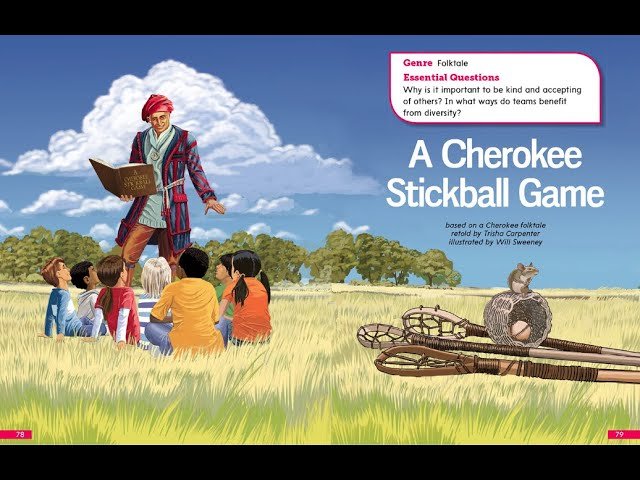
The story of a Cherokee stickball game often involves intense physical competition, spiritual significance, and community engagement, reflecting the deep cultural importance of the sport.
The crack of hickory against a small deerskin ball echoes through the years, a sound inseparable from a cherokee stickball game story. These games, more than just athletic contests, were powerful rituals with roots in Cherokee heritage. They brought villages together, settling disputes and strengthening bonds through spirited play.
A cherokee stickball game story reveals the rich tapestry of traditions woven into each match. The players’ agility and teamwork demonstrated deep respect for their ancestors’ practices. It is far more than just a game to the Cherokee people.

A Cherokee Stickball Game Story
Imagine a field buzzing with excitement. The air crackles with anticipation. You hear the rhythmic chants and the thud of bare feet on the earth. This isn’t just any game; it’s a Cherokee stickball game, a tradition steeped in history and community. More than just a sport, it’s a powerful expression of Cherokee culture, a way to connect with ancestors, and a fierce competition all rolled into one.
The Roots of Cherokee Stickball
Stickball, or anetsa in Cherokee, is much older than baseball or football. It’s been played for centuries, passed down through generations. This game wasn’t just for fun; it was often used to settle disputes between clans or even to prepare warriors for battle. The games could be quite intense, sometimes lasting for days! It’s important to remember that for Cherokee people, stickball has always been more than just a game; it’s a sacred tradition that blends athleticism, strategy, and deep cultural meaning. The game is a physical manifestation of Cherokee values, emphasizing teamwork, respect, and spiritual connection. It’s also a way to honor the history and heritage of the Cherokee people.
The Significance of the Sticks
The very heart of the game lies in the sticks. These aren’t just any sticks. They are crafted with care, usually from hickory or another sturdy wood, often with a small net or pouch at the end. Each player has two of these sticks and these are like their extensions. They’re used to catch, carry, and throw a small, hard ball, usually made of deerskin stuffed with hair or grass. The making of the sticks is often a process that involves ritual and tradition, highlighting their importance. The sticks aren’t just tools; they’re a connection to the past, a tangible link to generations of players.
How a Cherokee Stickball Game is Played
Now, let’s step onto the field and see how a Cherokee stickball game actually unfolds. Forget what you know about modern sports, stickball follows its own unique set of rules, and these rules often vary slightly between different communities. However, the basic principle remains the same: get the ball into the goal.
The Playing Field
The playing field can be any open space, but it’s often marked by two goalposts, usually trees or stakes, set a good distance apart. This space isn’t a carefully manicured field but a natural area where players can move freely. The size of the field can vary depending on the community and the number of players involved. Unlike modern games, there aren’t usually strict boundaries or penalty boxes. The game allows for a lot of movement and strategy.
The Players and Their Roles
Stickball is a team game, with players working together to score. There are usually two teams, and the number of players can vary. In some cases, there may be as many as 20 to 30 players on each team! Players don’t usually have set positions as you might see in soccer or basketball. Instead, it’s more of a free-flowing game where players move to where they are needed. What is crucial is the teamwork and strategy, where each player plays a vital role.
The Game Begins
At the start, the ball is thrown into the middle of the field. It’s at that point when all the players try to get their hands, or rather their sticks, on it. This part of the game can be a flurry of action as players jostle for position. From there, the aim is simple: get the ball through the opponent’s goalposts. It sounds easy, right? But getting to that point is a real challenge.
The Art of Movement and Strategy
Players use their sticks to scoop up the ball and carry it. They can’t touch the ball with their hands, which makes the game all the more difficult! They have to be extremely skilled in how they use their sticks. Players try to pass the ball to each other, working their way down the field. The game is fast-paced, and the action is constant. They also need to be strategic in their moves, because if they go headfirst into a pile, they can easily lose the ball.
Scoring a Point
A point is scored when a player successfully throws or carries the ball between the opponent’s goal posts. The first team to reach a set number of points wins the game. However, rules can differ, and games can sometimes last a long time, requiring both physical and mental fortitude.
Beyond the Sport: The Cultural Significance
While the excitement of the game is apparent, there is more to stickball than just the competition. For Cherokee people, it’s a spiritual practice, deeply rooted in their traditions and beliefs.
Ceremonies and Rituals
Before a game, there are usually ceremonies and rituals. These can include prayers, dances, and even songs. The ceremonies are a way to show respect for the game, the players, and the community, to ask for guidance and good health for the players. It’s important to remember that this isn’t just a game; it’s a spiritual event.
Community and Connection
Stickball brings people together. It’s an opportunity for families and communities to gather, to celebrate their culture, and to pass on traditions to the next generation. The game unites the community in shared tradition. It’s a living part of their history, and it’s a way to maintain their identity. Players aren’t just playing for themselves, they’re playing for their family and their ancestors.
Lessons of Respect and Sportsmanship
Even though stickball is a competitive sport, it also emphasizes respect. Players respect their teammates, their opponents, and the game itself. Good sportsmanship is an important part of the stickball ethos. They learn how to compete fairly and to honor the traditions of the game. They also learn the importance of teamwork. They don’t always have to be the one scoring; they learn to value each other’s contributions.
A Deeper Look into the Game’s Elements
Let’s dig a little deeper into some of the specific elements that make the game of Cherokee stickball so unique. It’s more than just running and throwing, it’s a complex dance of skill, strategy, and cultural understanding. Let’s explore some of those intricacies.
The Art of the Catch
Catching the ball with the sticks isn’t as easy as it might sound. It requires great dexterity and hand-eye coordination. Players have to learn how to maneuver their sticks to cradle the ball, rather than just hitting it. It is a very difficult skill to acquire. They need to be quick and precise in their movements. This is where experience and practice really come into play.
Ball Handling Techniques
Once a player has the ball, they need to be able to control it. This means knowing how to keep it safely within their stick, while moving down the field, or how to pass it to a teammate. There are techniques for scooping, cradling, and flipping the ball. They must have these skills so that the other team won’t be able to steal the ball and have their chance at scoring. These methods are developed by players over years of experience.
The Tactical Use of Movement
In stickball, it’s not all about brute strength, players have to be smart about their movements. They need to be able to quickly change direction, dodge opponents, and find open space. The use of misdirection and quick changes in speed helps them to be successful on the field. Players that can outthink their opponents have an edge in this game.
Teamwork and Communication
Even though it can seem chaotic to an outsider, teamwork is at the heart of this game. Players need to be able to communicate with each other, anticipate each other’s moves, and work together to get the ball to the goal. This communication can be done through simple hand gestures, non-verbal communication, or even a shout here and there to make sure everyone is in sync. It is similar to any other team sport in this way.
Modern Stickball and its Preservation
Today, stickball is still played by Cherokee communities, a living and breathing tradition. Despite modernization and the introduction of many other sports, this one endures in the hearts of the Cherokee people. It’s a powerful way to maintain cultural identity and connect with their heritage.
The Revival of the Game
In recent years, there’s been a growing effort to revive and promote stickball, encouraging younger generations to participate. This revival is more than just about the game; it’s about keeping the traditions alive. The elder members of the community help to teach the younger members, showing them the importance of the game in their culture, and they pass down the techniques and the spiritual importance of the game. It’s also a way for the younger generations to connect with their heritage and to learn about the wisdom of their ancestors.
Stickball Tournaments and Events
There are now stickball tournaments and events that bring together different Cherokee communities. These events provide opportunities for competition, community building, and the preservation of cultural practices. These events are not only fun but are an important way to pass the traditions of the game to the younger generation. These events can also bring revenue to the community, which can help further the efforts in keeping the traditions alive.
Teaching the Next Generation
One of the most vital aspects of stickball’s continuation is teaching the next generation. Elders share their knowledge and skills with young people, instilling the importance of the game and its cultural significance. This is how the tradition has been kept alive for centuries, and it’s vital to keep this process going so that the culture continues. This education isn’t only about the game; it’s also about teaching the importance of respecting their elders, their traditions, and their heritage.
Challenges and the Future
While the efforts to preserve stickball are significant, there are challenges. Modern society can present difficulties for preserving such traditions. Finding enough time and resources can be a concern, especially for younger generations who also have their lives outside of the community and may be busy. There is also a challenge in ensuring the cultural context of the game isn’t lost. The goal is not to just continue the game, but to keep the spirit of it alive as well.
Stories from the Field: Real Experiences
To fully grasp what it means to play Cherokee stickball, let’s hear some stories from the field. These real-life experiences help paint a vivid picture of what the game is all about.
A Young Player’s First Game
Imagine a young child stepping onto the field for the first time, the sticks feeling awkward in their hands. Perhaps they fumble the ball several times, but they keep going. The experience is about learning, growing, and connecting to the game’s spirit. This experience is not unique to this child; many children go through this learning curve when learning a new skill. The elders of the community encourage them, teaching them and giving them pointers on how to be successful at the game. The encouragement of the community is often what keeps the children coming back and learning the importance of the sport in their culture.
An Elder’s Perspective
Now, consider an elder who has played stickball for many years. They can talk about how the game has changed, but also how much it has stayed the same. For these elders, it’s not just about competition; it’s about passing on a legacy. They often can share stories from long ago, stories from when they were young and learning the game, and they share the stories from their parents and grandparents, making the history feel so alive. Through these stories, they are passing down their culture and their history.
The Sense of Community
For everyone who plays, it’s the feeling of being part of a community that’s most important. The cheering from the sidelines, the shared meals, the laughter and fellowship – these are the things that bring people together. Stickball builds up a community spirit, and that is as important as the sport itself. The community support can be felt by those playing in the field, who feel motivated by their encouragement.
Overcoming Challenges
Players also have stories about overcoming challenges. Maybe they struggled with a certain move, or had a bad game, or had to deal with a difficult opponent. It is through these challenges that the players learn to grow, to overcome, to be strong. These experiences help them off the field as well, making them learn to deal with difficult situations in their everyday lives. The stickball field is not only where they are taught these skills, but also a proving ground for their ability to learn them.
Cherokee Stickball and its Enduring Legacy
The story of a Cherokee stickball game is more than just a sporting event, it’s a story of a people, their history, their culture, and their resilience. It’s a story that continues to be written today, by every player who steps onto the field, by every community that gathers to watch and support, and by every elder who passes on their knowledge to the younger generations. This legacy will continue, and the culture of the Cherokee people will live on.
Stickball is a symbol of the past, a practice for the present, and a hope for the future. It’s a reminder that traditions can thrive and that cultural identity is important. In every game, the story of the Cherokee people is told, and it’s a story that is definitely worth hearing.
It is through the stickball games that the culture of the Cherokee people can be seen and experienced. This is why it is so important to keep this tradition alive. The lessons learned on the stickball field transcend the game, teaching players about respect, community, and the importance of their cultural heritage. The spirit of stickball, and the lessons it teaches, are timeless.
A Cherokee Stickball Game – Open Court
Final Thoughts
The intense match demonstrated the spirit and skill of the players. A community came together to witness a Cherokee stickball game story unfold. The game showcased the cultural significance of this ancient tradition.
Players showed remarkable athleticism and strategy. Each play highlighted the passion for the game. This specific a cherokee stickball game story is an important part of their heritage.

