
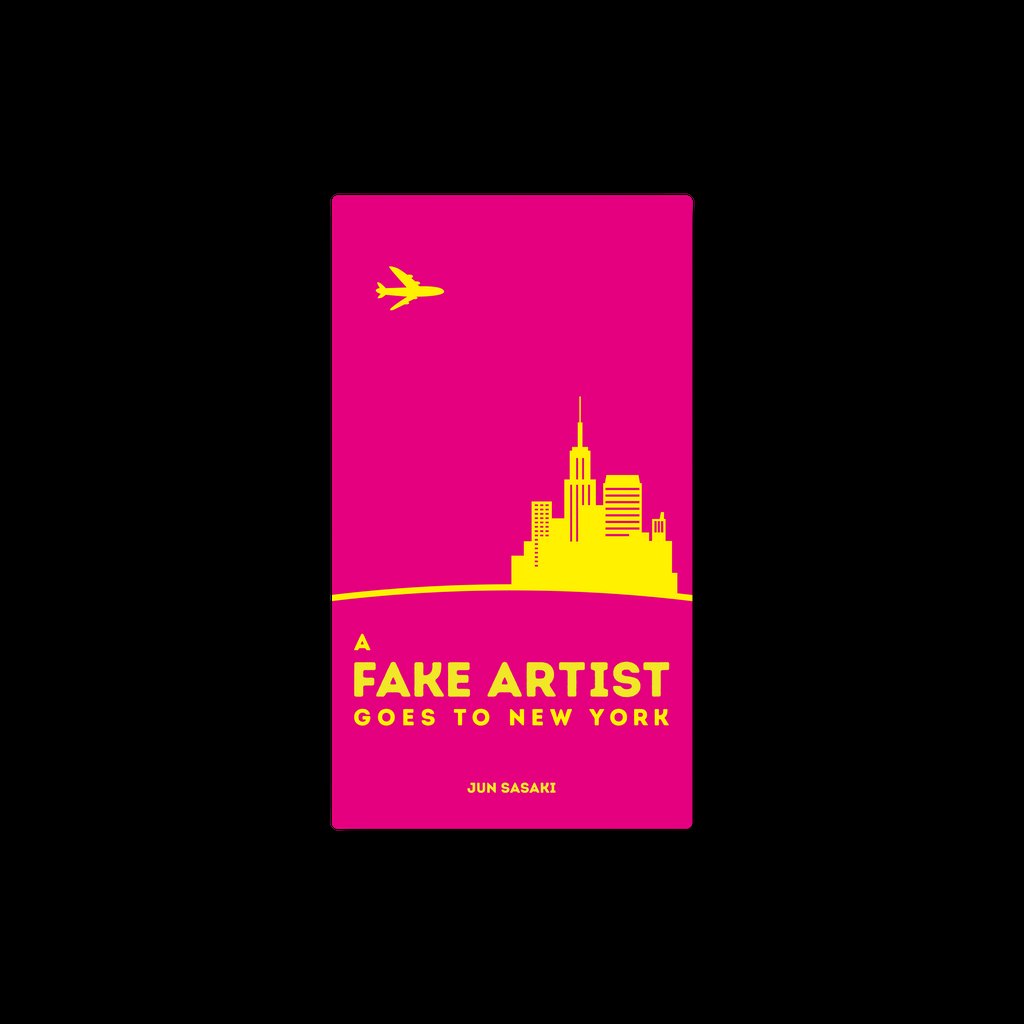
‘A fake artist goes to new york game’ is a social deduction party game where players try to identify the fake artist among them while collectively drawing a picture.
Imagine a game night where creativity and deception collide. That’s exactly what happens when you play ‘a fake artist goes to new york game’. It’s a fun, engaging experience that tests your ability to both collaborate and deceive. One player is secretly the fake artist and must try to blend in without knowing what the others are drawing.

A Fake Artist Goes to New York Game: Unmasking the Imposter
Ever played a game where you’re not quite sure who to trust? That’s the thrill of “A Fake Artist Goes to New York”! It’s a party game, great for friends and family, that mixes drawing with a bit of sneaky deception. Imagine a group of people, all trying to draw the same picture. But here’s the twist: one person doesn’t know what they’re supposed to be drawing! They’re the fake artist. It’s their job to blend in, act like they know, and not get caught. Let’s dive into how this fun game works and why it’s such a blast!
The Core Concept: Blending In and Deduction
At its heart, “A Fake Artist Goes to New York” is a game of social deduction. This means that players try to figure out who among them is the imposter. But unlike some games where imposters actively sabotage, here, the fake artist’s main goal is to avoid suspicion while pretending to be in the know. This leads to some hilarious moments, as everyone tries to interpret the drawing and the fake artist scrambles to follow along.
The Roles: Knowing and Not Knowing
The game has two key roles: the real artists and the fake artist. The real artists all receive a card revealing what the group is supposed to be drawing. For example, it might be a “cat wearing a hat” or a “spaceship landing on the moon”. The fake artist receives a blank card, meaning they have no idea what to draw. However, they are allowed to observe what the others are drawing to try to figure it out.
- Real Artists: They know the secret word or phrase and take turns drawing a single line or stroke. Their goal is to draw the picture well enough that the fake artist cannot successfully blend in.
- Fake Artist: This player does not know the secret word. They must try to guess it based on the others’ drawings, and they must act like they know all along.
Gameplay: The Art of Deception
Here’s how a typical round of “A Fake Artist Goes to New York” unfolds:
- Choosing a Topic: One player is chosen to be the question master. This person selects a word or phrase for the group to draw and writes it down on cards. One card remains blank for the fake artist.
- Distributing the Cards: The cards are distributed secretly to all the players, so only the fake artist doesn’t know the word.
- The Drawing Begins: Players take turns drawing a single line or stroke on a shared piece of paper. Each person only gets to draw once during each turn.
- Analyzing the Art: As the drawing evolves, everyone is secretly observing the others, looking for signs of who might not know the subject.
- The Accusation: After everyone has drawn twice, the group votes on who they believe is the fake artist.
- The Reveal: The accused person reveals their card. If they are the fake artist, the real artists win the round! If the fake artist is not selected, or if the fake artist guessed the picture, they win the round!.
The Drawing Phase: Strategy and Silliness
The most fun part of the game comes during the drawing phase. Real artists need to contribute enough to make the picture recognizable without giving too much away to the fake artist. The fake artist, meanwhile, has to make their marks look as natural and correct as possible, even if they have no clue what’s going on. This leads to some hilarious moments of mismatched lines and accidental masterpieces.
Here’s a breakdown of how different players might approach the drawing:
- Real Artists Strategies:
- They might make very abstract drawings. This will help not be an obvious answer for fake artist, and can confuse them.
- They may draw small sections, to avoid giving the entire picture quickly.
- They may focus on details that are not obvious to others.
- Fake Artist Strategies:
- They will analyze the first few drawings to guess the picture quickly.
- They will try to draw something that looks similar to other drawings.
- They might draw very basic or simple lines to not be outed as the fake artist.
The Importance of Observation and Deduction
The real thrill of “A Fake Artist Goes to New York” lies in the observation and deduction. You’re not just drawing, you’re watching your fellow players. You’re trying to understand their thinking. Are they making a confident stroke, or are they hesitating? Is that line they drew really part of the picture, or is it a desperate attempt to blend in? This mental puzzle makes each round interesting and engaging.
Reading Between the Lines: Spotting the Imposter
Here are some things to look for when trying to identify the fake artist:
- Hesitation: A fake artist might pause or look around before they draw, which could reveal that they are unsure of what to draw.
- Irrelevant Strokes: If someone’s line doesn’t seem to fit the picture, it might suggest they are guessing.
- Too Safe: A fake artist might draw very generic shapes that don’t provide much information. This is because they don’t want to be recognized as different from others.
- Following Others too Closely: The fake artist may overly copy the existing drawings to try to blend in.
Why “A Fake Artist Goes to New York” is So Popular
There are many reasons why “A Fake Artist Goes to New York” has become a popular party game. Here are a few:
- Easy to Learn: The game’s rules are simple, so it’s easy to teach new players, especially the children.
- Scalable: The game can be played with a wide range of players, making it suitable for both small groups and larger gatherings.
- Engaging: The combination of drawing, social deduction, and a bit of lying keeps everyone on their toes.
- Hilarious: The game often produces funny moments and drawings, leading to great laughter.
- Creative Outlet: It encourages drawing and some creativity, even if its just drawing some lines on the paper.
- No Special Skills Required: You don’t need to be a good artist to enjoy it – the sillier the drawings, the more laughs.
Variations and Adaptations: Keeping it Fresh
Like many popular games, “A Fake Artist Goes to New York” has spawned some fun variations and adaptations. These changes can keep the game fresh and exciting, especially if you’ve played it many times.
Theme-Based Drawing: Adding More Fun
One popular way to change the game is to introduce different themes. For example, you could play with a “sports” theme, a “food” theme, or a “fantasy” theme. This can make the drawing more challenging and hilarious.
Adjusting the Drawing Rules: More Complexity
Another way to vary the game is by changing the drawing rules. You could require everyone to use a different colored pen each time. This adds a visual change to the art itself and might help players make their guesses easier. This will also help the fake artist quickly get the picture idea. Or you could allow two lines per turn, making the picture form faster. Or try drawing with your non-dominant hand! All these minor changes can make the game more challenging and interesting.
Playing Online: Adapting to Digital
With the rise of online gaming, “A Fake Artist Goes to New York” has also been adapted for digital platforms. This allows you to play with friends who may live far away. These online versions often include features like drawing tools, timers, and even voice chat. Many online platforms are available to play this game, so you can search the web for the best one.
In online mode, the drawing usually done with a mouse or touchpad. And also sometimes it uses a real digital pen for more easier drawings. The drawing experience can be less direct than using a real pen and paper. However, the game’s core mechanic of social deduction remains. It also offers more options like changing colors and drawing lines with different sizes.
Tips for New Players: Getting Started
If you’re new to “A Fake Artist Goes to New York,” here are a few tips to help you get started and make the most of your game:
- Don’t Overthink it: It’s just a game! Don’t worry too much about drawing perfectly.
- Observe Carefully: Pay close attention to everyone’s drawings and behavior.
- Be Confident: Whether you’re a real artist or the fake artist, act with confidence. Even if you are totally lost, don’t show it!
- Don’t Be Afraid to Guess: The fake artist has to make an educated guess on the final picture. It is important to not be afraid of a wrong guess, because it’s more fun that way!
- Have Fun: The most important thing is to relax and enjoy the experience.
The Educational Value: More Than Just Fun
While “A Fake Artist Goes to New York” is primarily a party game, it also has some educational benefits. It encourages:
- Visual Analysis: Players develop their ability to analyze drawings and identify patterns.
- Deductive Reasoning: Players must use logic to figure out who the fake artist is.
- Social Awareness: The game requires players to observe and understand the behavior of others.
- Communication Skills: Players must communicate their ideas and justify their accusations.
- Creative Thinking: Players will learn how to quickly adapt to the situation.
The Lasting Appeal: A Game for All Ages
“A Fake Artist Goes to New York” has become a popular game that is suitable for different ages. Kids love the silliness and excitement of the social deduction, and adults enjoy the strategy and observation elements. The simple rules make it easy to pick up and the variations allow for replayability. There is always a new way to play the game and new tactics you can use to win. It is a game that provides great fun for many years. The game’s ability to bring people together for fun and laughter ensures that it will remain a favorite for game nights.
The game “A Fake Artist Goes to New York” provides not only fun and entertaining time, but also helps players develop various skills such as visual analysis, deductive reasoning, social awareness, communication, and creative thinking. The simple rules make it easy for anyone to play and it will surely bring laughter and amusement for the whole group.
【🐽Oink Games】 A Fake Artist Goes To New York Overview
Final Thoughts
‘A Fake Artist Goes to New York’ provides hilarious social deduction gameplay. Players draw collaboratively, secretly assigning the artist role. The challenge comes from identifying the fake among the true artists.
You need sharp wit and keen observation to win this drawing party game. The game brilliantly tests your creativity and deception skills.
Ultimately, ‘a fake artist goes to new york game’ provides a great experience. It is a must for anyone seeking lighthearted and engaging fun with friends.

