
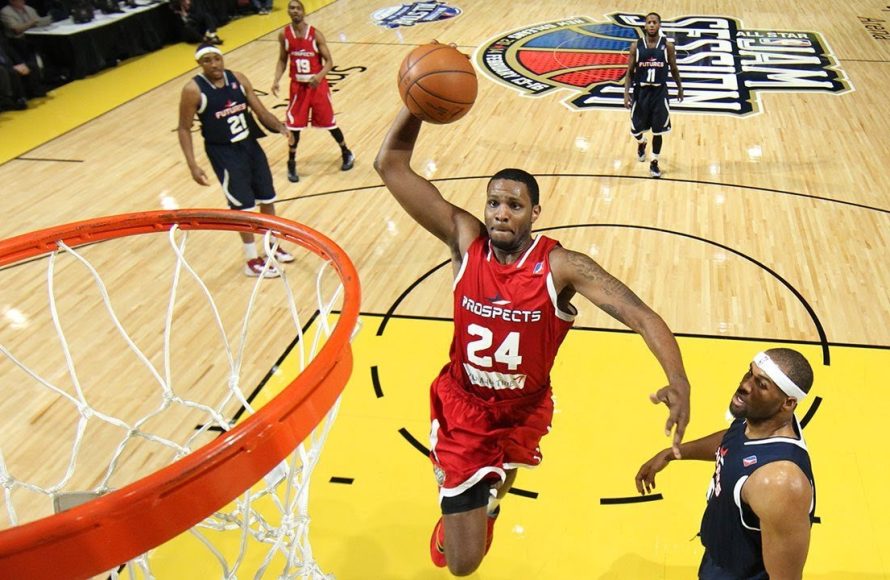
A game basketball involves two teams competing to score points by shooting a ball through a hoop, following specific rules and regulations.
The squeak of shoes on the court, the rhythmic bounce of the ball, and the roar of the crowd – it’s the unmistakable energy of a game basketball. It’s a sport that captivates millions with its fast-paced action and strategic plays. From local leagues to professional championships, the thrill of the game resonates across all levels.
More than just a physical competition, basketball tests teamwork, skill, and mental fortitude. Each player contributes to the collective goal, striving for victory with every possession. Let’s explore the elements that make this sport so engaging.

A Game of Basketball: More Than Just Bouncing a Ball
Basketball, a game loved by millions, is much more than just throwing a ball through a hoop. It’s a fast-paced, exciting sport that combines teamwork, skill, and strategy. Whether you’re a seasoned pro or just starting out, understanding the basics can make the game more enjoyable and help you improve your play. Let’s dive deep into the world of basketball, exploring everything from the court to the different positions.
The Basketball Court: Where the Magic Happens
The basketball court is a rectangular area with specific markings that dictate the flow of the game. Knowing these markings is essential for understanding the rules and strategies. Here’s a breakdown:
Key Court Components
- The Baseline: The lines at each end of the court. It’s where out-of-bounds plays often begin.
- The Sideline: The long lines running along the sides of the court. If the ball goes out-of-bounds over a sideline, the opposing team gets the ball.
- The Free Throw Line: Located inside the lane, this is where free throws are taken.
- The Lane or “Paint”: The rectangular area extending from the baseline to the free-throw line, also known as the key. Certain rules apply when players are inside this area.
- The Three-Point Line: A semi-circular line that’s marked around each basket. Shots made from behind this line are worth three points.
- The Center Circle: Located at mid-court, this is where the game starts with a jump ball.
The Equipment: What You Need to Play
Basketball doesn’t require a lot of fancy equipment, but a few key items are necessary for a proper game:
Essential Gear
- Basketball: The size of the basketball varies depending on the age group. A men’s regulation basketball is size 7, a women’s ball is size 6, and younger kids use smaller sizes. The ball is usually made of leather or synthetic material and needs to be properly inflated.
- Basketball Hoop: This includes a backboard, a rim, and a net. The height of the hoop is 10 feet.
- Shoes: Basketball shoes offer ankle support and good grip on the court.
- Clothing: Comfortable and breathable athletic clothing is ideal.
The Basic Rules: Keeping the Game Fair
Basketball has several rules that ensure the game is played fairly and safely. Here are some of the important ones:
Key Rules of Basketball
- Moving the Ball: Players move the ball by dribbling (bouncing) it while walking or running. They can also pass the ball to teammates.
- Traveling: A player cannot move their feet without dribbling the ball. This rule is called “traveling” and leads to a turnover.
- Double Dribbling: Once a player stops dribbling, they can’t start dribbling again. This rule is called “double dribbling” and also leads to a turnover.
- Out of Bounds: If the ball or a player touches the line or goes out of bounds, the other team gets possession of the ball.
- Fouls: When a player makes illegal contact with another player, it’s a foul. Fouls can result in free throws for the opposing team.
- Scoring: A basket made from inside the three-point line is worth two points, while a basket made from beyond the three-point line is worth three points. Free throws are worth one point each.
- Game Length: A standard game is divided into four quarters. Each quarter’s length varies depending on the level of play.
Different Positions on the Court: Finding Your Fit
Each player on a basketball team usually has a specific position with different responsibilities. Here are the common positions:
Basketball Positions and Their Roles
- Point Guard: Often considered the “quarterback” of the team, the point guard is typically responsible for bringing the ball up the court, directing plays, and making sure their teammates are involved in the offense. They usually need good ball handling and passing skills.
- Shooting Guard: The shooting guard is typically a good scorer, focusing on making shots and creating scoring opportunities. They can often score both inside and outside the three-point line.
- Small Forward: Small forwards are versatile players who can both score and rebound. They often guard multiple positions on defense and can play a variety of roles on offense.
- Power Forward: Power forwards are typically strong and physical players who focus on rebounding and playing near the basket. They usually do a lot of the “dirty work,” including setting screens and defending strong players on the other team.
- Center: The center is usually the tallest player on the team and plays near the basket. They are typically responsible for scoring inside, rebounding, and defending the opposing team’s center.
Essential Skills: Getting Better at the Game
To be a successful basketball player, you need to develop a range of essential skills. Let’s explore some of them:
Key Basketball Skills
- Dribbling: Dribbling is the fundamental skill of moving the ball around the court while bouncing it. Good ball handling skills help players control the ball and make plays.
- Passing: Passing is the skill of moving the ball to a teammate so they can score or advance the play. Different types of passes include chest passes, bounce passes, and overhead passes.
- Shooting: Shooting is the skill of getting the ball through the hoop. Different types of shots include layups, jump shots, and free throws.
- Rebounding: Rebounding is the skill of grabbing the ball after a missed shot. Good rebounding is essential for both offense and defense.
- Defense: Defense is the skill of preventing the opposing team from scoring. Good defensive skills involve staying in front of your player, contesting shots, and getting steals.
- Footwork: Quick and precise footwork is important for changing direction quickly, defending effectively, and executing offensive moves.
Strategies and Tactics: Playing Smart
Basketball isn’t just about individual skills; it’s also about using strategies and tactics to outsmart your opponent. Here are some common approaches:
Tactical Approaches in Basketball
- Offensive Plays: Offensive plays are pre-designed patterns or routes that help a team score. These could include setting screens, running give-and-go’s, and cutting to the basket.
- Defensive Schemes: Defensive schemes are strategies that help teams stop the other team from scoring. These include man-to-man defense, zone defense, and double-teaming.
- Fast Breaks: Fast breaks are when a team quickly advances the ball down the court after a turnover or rebound. They aim to score before the defense can get set.
- Setting Screens: Setting screens involves a player using their body to block a defender, giving their teammate a clear path to the basket.
- Teamwork: Good teamwork is key to success in basketball. It’s essential to move the ball quickly, pass effectively, and support your teammates.
Learning and Practicing: Getting Better Every Day
Like any skill, getting good at basketball takes time, effort, and practice. Here are some ways you can improve your game:
Ways to Improve Your Game
- Practice Regularly: Consistent practice is key to improvement. Dedicate time to work on your dribbling, passing, shooting, and defense.
- Join a Team: Playing on a team is a great way to improve your skills and learn from other players.
- Watch Professional Games: Watching professional games can help you understand different strategies and see how skilled players execute plays.
- Get Feedback: Ask a coach, a more experienced player, or a friend to give you feedback on your game. This can help you identify areas where you can improve.
- Have Fun: Remember that basketball is a game, and it should be fun! Enjoy the challenge and the process of getting better.
Basketball Variations: Beyond the Standard Game
While the standard five-on-five game is the most common, there are many other ways to enjoy basketball. Here are a few examples:
Fun Variations of Basketball
- Three-on-Three: This variation of basketball is often played on a half-court. It promotes more individual skill development and fast-paced play.
- Horse: Horse is a fun game where players try to make the same shot as the previous player. If they miss, they get a letter, spelling out “HORSE.” The first person to spell it is out.
- Around the World: In this game, players shoot from different spots around the three-point line. Each successful shot earns a point, and the first player to complete the circle wins.
- 21: 21 is a fast-paced, multi-player game where players try to reach 21 points. There are different point values for different shots, like free throws and baskets.
The Benefits of Playing Basketball: More Than Just a Game
Playing basketball offers a multitude of benefits, both physically and mentally. Here are just a few:
Positive Impact of Playing Basketball
- Improved Cardiovascular Health: The running and jumping involved in basketball are great for strengthening your heart and lungs.
- Increased Strength and Endurance: Regular practice and gameplay can improve your muscle strength and endurance.
- Enhanced Coordination: Basketball requires a lot of hand-eye coordination and precise movements, improving these skills over time.
- Improved Teamwork Skills: Basketball is a team sport that requires players to communicate, cooperate, and work together towards a common goal.
- Stress Relief: Engaging in physical activity, like playing basketball, is a great way to relieve stress and improve mental well-being.
- Fun and Enjoyment: Above all, basketball is a fun and exciting activity that can bring joy to players of all ages and skill levels.
Basketball is a dynamic sport that teaches valuable lessons both on and off the court. It promotes physical fitness, teamwork, and personal growth. Whether you are a spectator or a player, basketball is a game that offers something for everyone. Remember to practice, learn the rules, and most importantly, have fun!
Warriors & Lakers Instant Classic – 2021 Play-In Tournament 🔥| NBA Classic Game
Final Thoughts
Basketball, with its quick pace and strategy, offers great entertainment. A well-played game showcases skill and teamwork. The excitement is palpable as the ball goes through the hoop.
Players demonstrate their athletic prowess throughout a match. They run, jump and shoot with impressive precision. Watching a game basketball is very engaging.
Ultimately, the core of basketball lies in its competitive nature. Teams strive for victory using their best talent. This creates captivating moments in any match.

