
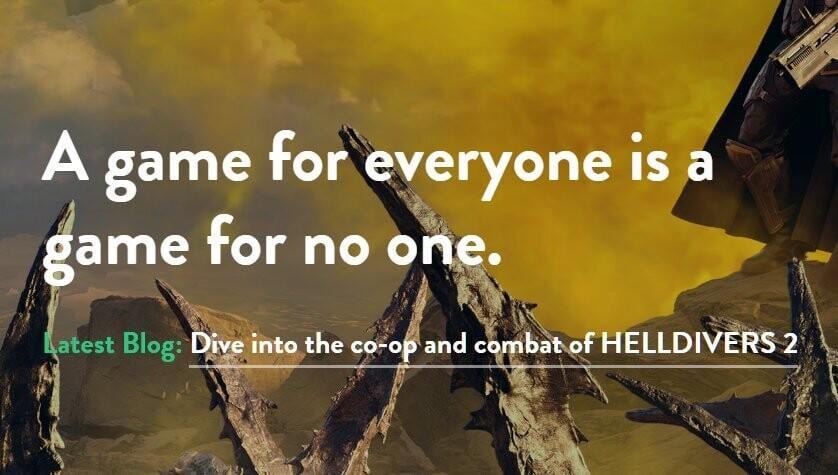
A game aiming for universal appeal often lacks a distinct identity, failing to deeply engage any specific audience because it becomes diluted and generic.
Have you ever felt like something tried too hard to please everyone, but ended up pleasing no one? It’s a familiar feeling, and it perfectly illustrates the core problem: a game for everyone is a game for no one. When developers attempt to create experiences with broad appeal, they often sacrifice the unique qualities that make games truly captivating.
This can manifest in bland mechanics or a story that tries to be all things to all people. The result? A game that’s easily forgotten.

A Game for Everyone is a Game for No One
Have you ever heard the saying, “You can’t please everyone?” Well, when it comes to creating games, that saying is super important! When developers try to make a game that appeals to absolutely everybody, they often end up with a game that doesn’t really click with anybody. It’s like trying to make a pizza with every topping imaginable—it might sound exciting, but it usually ends up being a confusing and not very tasty mess. Let’s explore why this happens and what makes games really fun.
The Pitfalls of Trying to Please All
Think about your favorite game. What is it about? Is it fast-paced action, a slow and thoughtful puzzle, or maybe a story that pulls you in? Probably, there’s something specific about it that makes it your favorite. When a game tries to include all of these things, it often loses its special touch. It’s like trying to tell too many stories at once; you might get confused and lose interest. Here are some common issues when games try to be everything to everyone:
Lack of Focus
When a game aims for everyone, developers often add lots of different gameplay styles and features. Instead of mastering a few things really well, they end up making many elements that don’t feel very deep or engaging. Imagine a game with shooting, puzzles, building, and driving, but none of them are very good. You would probably think the game is okay, at best, or confusing at worst. This lack of focus often leads to a game feeling generic and uninteresting.
Diluted Identity
A game’s identity is what makes it unique and memorable. It’s its personality! When a game tries to appeal to all audiences, it loses its distinct voice. It doesn’t have its own special style, and it becomes hard to remember from other games. It is like trying to mix all the colors together – you end up with a murky brown. Games need strong, clear identities to stand out and connect with their target players.
Confusing Experience
Imagine a game with a story that keeps changing its tone. One minute, it’s super silly, the next it is very serious and sad. It becomes confusing and doesn’t quite feel right. Similarly, when gameplay styles or mechanics constantly change, it can be difficult for players to get the hang of the game. A game that is confusing doesn’t feel very fun. A clear and consistent experience is key to a game that’s enjoyable.
Missed Opportunities for Passion
When developers are focused on making a game that is loved by everyone, they risk missing the chance to make a game that is truly loved by a smaller group of people. This is important because true love of a game often means that players will spend more time and money on the game. Sometimes, you need to take a chance and create a game for a niche audience. A game that speaks to a core passion is way more likely to resonate deeply with that group than a game that tries to be a generic crowd-pleaser.
The Power of Targeted Game Design
Instead of trying to please everyone, successful games usually focus on a particular group of players. This is called targeted game design. It’s like knowing who you’re baking a cake for. If you know they love chocolate, you’ll make sure it’s extra chocolatey! Similarly, targeted game design involves considering the following:
Understanding Your Audience
Knowing who you’re making the game for is the most important part. Are they young or old? Do they enjoy fast action or slow puzzles? Understanding this helps you design a game that fits with the audience’s tastes and expectations. Are they looking for a competitive challenge, or maybe they prefer a collaborative, relaxed play experience? All of these details help in crafting an experience that people will love.
Focus on Core Mechanics
When you know who you’re designing for, you can choose a couple of core mechanics that will really shine. Instead of spreading the effort thin across many elements, designers focus on making a few core gameplay actions feel smooth, responsive, and engaging. This leads to better depth and a feeling of mastery as you play.
Embrace a Unique Style
Targeted game design allows games to establish a very clear identity. This could mean having a specific art style (like pixel art, or realistic graphics), a unique tone to the story, or even very particular sound design. This helps the game become more memorable and stand out in the crowded world of games. A clear and unique style ensures that the game has a special place in the hearts of players.
Cater to Specific Needs
A game aimed at a specific group can cater to their specific needs and wants. A game focused on a narrative might make sure that its story is deeply compelling, while a competitive game might prioritize a fair and balanced gameplay. Games that cater to specific player needs make that player feel understood and valued.
Examples of Targeted Success
Let’s look at a few examples of successful games that did not try to be for everyone and instead focused on a targeted audience. We can see how they created games that resonated strongly with a particular group of players.
Dark Souls: A Challenge for Hardcore Players
The Dark Souls series is famous for being very hard. It wasn’t designed for everyone to be able to breeze through it. Instead, it caters to players who enjoy a serious challenge. It has a dark tone and a steep learning curve, but this makes the sense of accomplishment even more satisfying for the dedicated players. Its focus on hard gameplay, unique lore, and challenging combat has created a very devoted and passionate player base.
Animal Crossing: A Relaxing Experience for Casual Gamers
Animal Crossing games are the opposite of Dark Souls, with a super relaxed pace and cute characters. It’s all about building your town, making friends, and decorating your house, not about action. It has captured the hearts of many players who are looking for a calming and slow game, showing how a targeted experience can be incredibly popular with the right audience.
Minecraft: Creative Sandbox for All Ages
Minecraft is a good example of a sandbox game which doesn’t have a specific goal. This allowed creativity to be the core feature, leading it to become popular among all ages, from kids creating simple structures to adults designing intricate machines. Minecraft’s open-ended nature resonates with all those who enjoy freedom and creative building. While it can be for everyone in terms of age, the design focus on sandbox gameplay did target players who enjoyed creativity.
Among Us: Social Deduction for Friends
Among Us is a simple, social game designed to be played with a group of friends. It focuses on social interaction and deduction. While it became very popular across many types of players, its design focus was very specific and targeted social interaction which resulted in widespread enjoyment.
Finding the Right Balance
While a game for everyone is a game for no one, it is important to note that games can have broad appeal, but the key is to achieve this without losing focus. Here are some factors in achieving a good balance:
Core Mechanic Focus
Even with broad appeal, a game should have a core mechanic or a set of mechanics that are at the center of the experience. This ensures that there is still something unique and enjoyable about the game, making it stand out from other games.
Progression Systems
Having various options for progression can enable a broader audience to enjoy the game at their own pace. A game might have different levels of difficulty, offering something for players who want a challenge, and for those who want to relax.
Accessibility Features
Including accessibility options is different from trying to make the game for everyone. Features like subtitles, adjustable controls, and colorblind modes can help more people to play the game without affecting the core identity of the game.
Community Engagement
When players are engaged in the game through community events or discussions, the game feels less like a single experience and more like a platform for many different types of players. Developers who listen to their players and their needs can build stronger player bases that are very devoted to the game.
When Games Target a Specific Audience
Let’s think more specifically about how targeting a specific group of players can benefit everyone involved, from the people who make the games to the people who play them. Here’s how it works:
For Developers
- Clear Vision: When developers have a clear target audience, it’s easier for them to make decisions about the game’s design. They can focus on what’s most important to their audience, which helps create a more focused and polished game.
- Efficient Development: Knowing what kind of game you are making and whom you are making it for helps the developers focus and allocate resources wisely. This makes the game development process more efficient.
- Stronger Branding: A unique identity helps a game stand out. This makes it easier to market to the specific audience who will appreciate it.
- Player Loyalty: When a game really speaks to a particular group of players, these players become incredibly devoted, leading to long-term support and success.
For Players
- Deeper Enjoyment: Targeted games often provide a deeper and more engaging experience because they are made with the specific player’s interests in mind.
- Sense of Community: Players who have similar interests can come together to enjoy the game. This leads to a strong sense of community and belonging.
- More Personalized Experience: Targeted games can be more personally meaningful for players because they speak to their specific passions and needs.
- Higher Quality Experiences: When developers focus their resources, they can produce a higher quality game. This means a better experience for the players.
For the Gaming Industry
- Innovation: When games are targeted, there is room for greater experimentation and innovation, leading to a more diverse and exciting industry.
- Stronger Market: By meeting the needs of varied players, the market for video games can expand and become more accessible to a wider audience.
- Greater Variety: Targeted game design helps to create variety of different games with unique experiences which helps avoid the game market from becoming stale.
- Sustainability: Games that resonate with players have long-term success. This can help make the gaming industry sustainable.
The Importance of Niche Markets
You might think that going for a “niche” market is limiting, but it can actually be a game-changer. Here’s why:
- Stronger Community Bonds: When a game targets a smaller audience, those players often form tight-knit communities. They share tips, fan art, and their love of the game, which makes the game last even longer.
- Less Competition: Niche markets often have less competition. A targeted game can become very important in its specific niche.
- Word-of-Mouth Marketing: If a game is very good in its niche market, word-of-mouth marketing can be very effective. Players in these groups often tell their friends about their favorite games.
- More Passion: Niche markets are often made up of passionate people. These players are more engaged with games that speak to their specific interests.
In conclusion, the idea that “a game for everyone is a game for no one” holds true in game development. The most successful and memorable games often have a clear idea of who their target audience is and focus their efforts on crafting an experience that is tailored to those players. By doing this, developers create games that resonate deeply and stand out from the crowd. This approach helps players to have much richer and more enjoyable gaming experiences.
A Game for Everyone Is a Game for No One | Unpacked
Final Thoughts
The pursuit of universal appeal often waters down unique elements that make games special. Specific design choices, even if polarizing, cater to a particular niche and are important. These choices contribute to memorable player experiences.
A game striving to please everyone loses its focus, resulting in a bland product. A diluted game often fails to resonate with any audience deeply. The underlying issue is that ‘a game for everyone is a game for no one’. We must remember that.

