
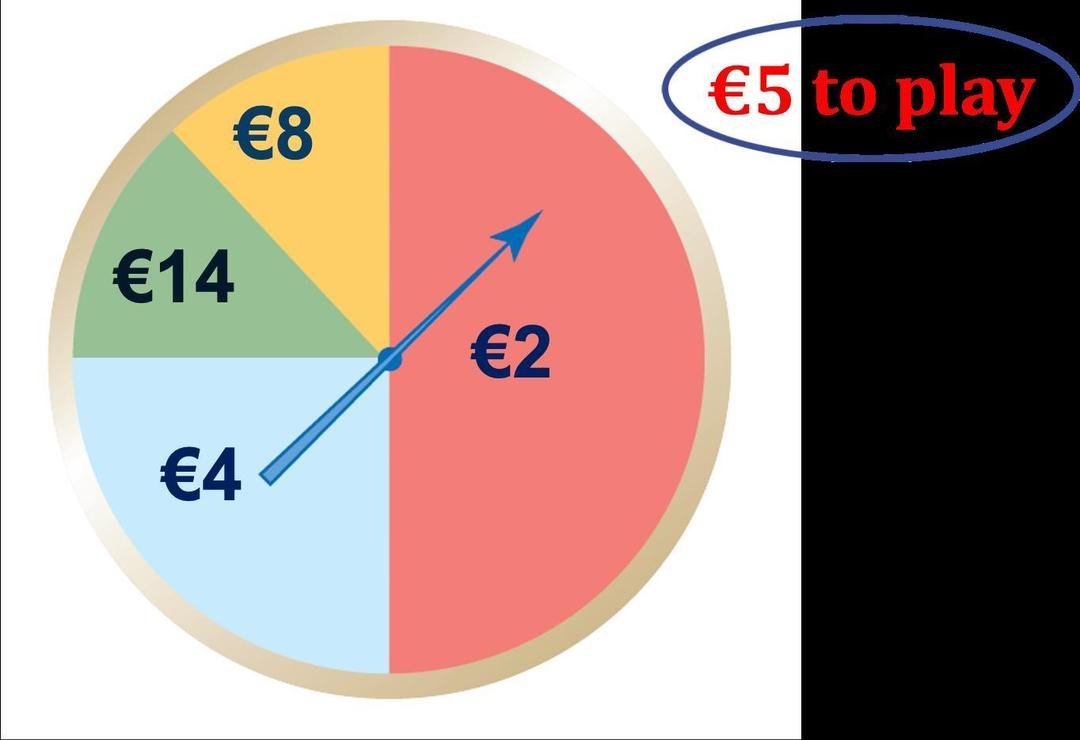
A game is said to be fair if all participants have an equal chance of winning.
Have you ever questioned if a game truly offers everyone a level playing field? The concept of fairness in games is a common discussion point, and it touches on the core principles of balanced competition. When we say, ‘a game is said to be fair if’, it really boils down to the probability of victory. Each player should have the same potential to achieve success.

A Game is Said to be Fair If…
Have you ever played a game and felt like the odds were stacked against you? Maybe the dice always seemed to land on the wrong number, or your opponent always drew the perfect card. When this happens, we often say the game isn’t fair. But what does “fair” really mean when we’re talking about games? Let’s explore what makes a game truly fair and how we can tell the difference.
Understanding Equal Chance: The Heart of Fairness
At its core, a fair game is about giving everyone a shot at winning. It means that every player has the same opportunity to succeed, at least when the game begins. Think of it like this: if you and your friend are going to race, you both should start at the same line. If one of you starts way ahead, that wouldn’t be fair, right? In a fair game, there aren’t any sneaky advantages built in at the very start.
What “Equal Chance” Doesn’t Mean
Now, “equal chance” doesn’t mean that everyone will win or that everyone has the exact same skill level. What it means is that the game design itself is balanced. It means the rules, the equipment, and how the game starts don’t favor one player over another unfairly. Think of it like a coin flip – it has a 50/50 chance for either heads or tails at the start. This doesn’t mean you will always get heads every other time, but the chance at the start is equal.
For example, let’s imagine two friends, Sarah and Tom, playing a card game. If Sarah always starts with a powerful hand of cards, that would make the game unfair. A fair game will either start both Sarah and Tom with a similar number of cards that have a balanced range of values or will at least have the cards distributed randomly so that each player starts with a fair draw. If everyone has the same opportunity from the start, the game itself is considered fair.
The Role of Randomness in Fair Games
Many fair games use randomness to make things interesting and unpredictable. Randomness means that the outcome isn’t set in advance; it’s decided by chance. Think about rolling a dice, flipping a coin, or drawing cards from a shuffled deck. These are all ways of introducing randomness into a game. Randomness in a game ensures each player has a similar chance of getting a positive or negative outcome for that random event, which creates a level playing field.
Common Random Elements in Games
- Dice: The number that appears on a die roll is random, making it fair for all players.
- Cards: Shuffling a deck of cards ensures that the order of cards is random, which gives an equal opportunity for all to get useful cards.
- Spinners: A spinner that is properly balanced with equal sections allows for random outcomes.
- Virtual Number Generators: Many video games and apps use complex algorithms to generate random results in a fair way.
Random elements aren’t always perfect, but they aim to create equal opportunity. So, even though you might roll a low number a few times in a row, or get a bad set of cards initially, the game is still considered fair because the chance is not always set to be in favor of a player. The key is that the chance is random, not predetermined.
The Absence of Built-in Advantages
A major sign of an unfair game is when one player has a built-in advantage, or a starting position that makes them much more likely to win. This is very important for fairness. A good example is a race where one person is given a head start. They have an advantage built into the game even before the starting whistle. This is obviously unfair. Fairness in a game, on the other hand, means there are no advantages for anyone from the start that are outside the designed randomness of the game.
Examples of Built-In Advantages:
- Unequal starting resources: If a player begins a strategy game with more money or units than another, that’s an advantage.
- Special abilities from the start: If one player has a skill or power that other players don’t, and they have this advantage from the beginning, that’s not fair.
- Beneficial rule loopholes: If a player can exploit a rule in a way that heavily favors them and it wasn’t intended in the game design, the game is not entirely fair.
True fairness means that all players start on the same level. Any advantages they achieve should be because of their strategy, their skill, or because of the random elements within the game, but not because of unequal built-in advantages that they have from the start of the game.
The Importance of Skill and Strategy
While randomness is often part of fair games, skill and strategy are also important. A fair game doesn’t mean everyone wins, just that everyone has an equal chance to try to win. This means that the way you play can improve your odds, but everyone gets that equal chance to improve. For example, a chess game is fair because both players start with the same pieces and the same rules. But, the player who understands chess better and makes clever moves usually wins. Their skill and strategic thinking is what makes them victorious, and the game is fair because both players had the same opportunity to develop this skill.
Balancing Skill and Chance
Many games try to balance skill and luck. Too much luck might make skill feel unimportant, while too much skill can make the game hard to learn or dull. The best fair games have a good balance of both. This balance is important because:
- Keeps the game exciting: Randomness can make each game different, so each play feels fresh.
- Rewards good planning: Skills like planning ahead and quick thinking make players feel like they have control over their success.
- Makes the game fair: The balance of chance and skill gives all players the chance to win.
Think of a game of poker. The cards you get are random, but how you play them is based on your skills and knowledge about the game. Fair games make sure that all players have a similar starting point and also allow for strategy and skill to improve one’s chances.
Fair Games vs. Balanced Games: A Closer Look
Sometimes, we use the words “fair” and “balanced” interchangeably, but it’s helpful to consider the differences. A “fair” game is one in which all players have an equal chance to win based on their starting conditions and the game’s design. A “balanced” game refers to the way the different options or strategies within a game are designed to ensure that not one strategy or play style is too dominant. The two concepts are connected but distinct.
How They Are Connected
A balanced game often works towards creating a fair game by ensuring that different options or characters within the game, if any, are neither too strong nor too weak. Think of a strategy game where there are different units or characters to play. If all the available options are relatively balanced, the game is fair because there’s not one character type that is significantly better than another. If one character type or strategy was too powerful from the start, it would make the game unbalanced and also unfair.
Key Differences
- Fairness is about equal opportunity: Does everyone start with the same chance to succeed?
- Balance is about the game mechanics: Are all the options equally powerful or useful?
For example, a game of rock-paper-scissors is considered fair since each choice has an equal chance of winning, but it isn’t especially ‘balanced’ because there is no strategy involved other than what move to make. A good game will often aim for both fairness and balance, ensuring that all players have an equal chance from the start while also making sure that no strategy is clearly stronger than any other.
Real-World Examples of Fair and Unfair Games
Let’s explore some examples of real-world games to see these principles in action.
Examples of Fair Games:
- Checkers: Both players start with the same number of pieces and the same rules.
- Chess: Similar to checkers, both players start with equal pieces and rules, allowing for skill to determine the victor.
- Monopoly (with a caveat): While some argue that Monopoly’s early dice rolls can heavily influence the game, the starting conditions and rules are the same for all players. However, some players think that the inherent design of Monopoly with its built in feedback loop in favor of the leader can sometimes make the game unfair.
- Most card games: Assuming that the cards are well shuffled, card games typically have a random starting condition, and rules for all are the same, making them generally fair.
Examples of Unfair Games (or potentially unfair) :
- Games with loaded dice: If the dice are weighted to land on certain numbers, this makes the game unfair for players who don’t know about the trick.
- Games with marked cards: If one player knows which cards another is holding because of markings on their cards, that’s not fair.
- Games with overly complex rules that are unclear: If the rules are confusing or one sided, or if one player is able to understand a ‘loophole’ in the rule that other players may not be aware of, then the game isn’t fair to all players.
- Games that strongly favor first player advantage: if the game favors the first player with a high probability, the game is considered unfair to players who move second, third, and so on.
These examples can help you spot the differences between what makes a game fun and fair and what can make it frustrating.
The Significance of Fair Play
Fairness in games is more than just about the game itself; it’s about how people treat each other when playing. When everyone knows the game is fair, everyone is more likely to feel respected and to play fairly. This creates a fun and positive experience for everyone involved. Fair play helps to foster trust and respect among players, and it also encourages skill to be the key determinant of the outcome, instead of some artificial, unfair element.
The Benefits of Fair Play
- Fun and enjoyment: When a game is fair, all players feel good about participating, win or lose.
- Trust: Players trust that the game is designed to give everyone an equal chance.
- Respect: Fairness shows respect for all players.
- Learning and growth: Players can focus on improving their skill and strategy when they know the game is fair.
Fair play encourages healthy competition, makes games more enjoyable, and it also models good behavior that is beneficial both on and off the playing field. Fairness in games extends beyond the immediate game itself to teach valuable life lessons.
In the end, the idea of a fair game is all about opportunity. It means giving everyone a good chance to succeed by ensuring there are no built in advantages and that there are random elements and skill elements that are evenly available to all players. It allows each player to improve and learn, but not in ways that are not aligned with the goals and intent of the game. By understanding what makes a game fair, we can not only pick better games but we can also become better players and better competitors.
If the Ballon D’or was FAIR
Final Thoughts
A game is said to be fair if every player has an equal chance of winning. This fairness is often linked to the game’s design and implementation. It’s important that the game’s rules and mechanisms ensure this equality.
Randomness can play a key role in creating fair game scenarios. However, true randomness is critical; any bias will impact the fairness. Therefore a fair game must be carefully considered and tested.

