
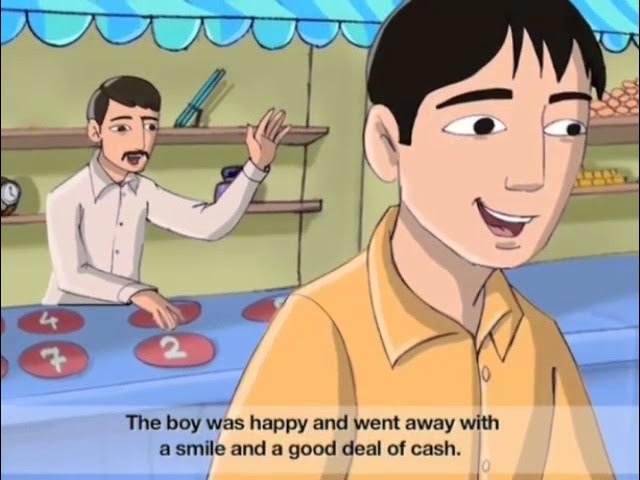
A game of chance is determined by random events, where the outcome cannot be predicted with certainty.
Ever felt that thrill, the flutter of anticipation, when something is entirely out of your control? That feeling often comes from participating in a game of chance. It’s the inherent unpredictability that makes them so engaging.
From rolling dice to spinning a roulette wheel, a game of chance relies on luck rather than skill. The potential for both great fortune and loss adds a layer of excitement. This element of the unexpected is what draws us in.

Understanding the World of a Game of Chance
Have you ever tossed a coin, rolled a die, or picked a card from a deck? If you have, you’ve participated in a game of chance! These games are all around us, and they’re a fun way to explore the idea of probability and luck. But what exactly makes something a game of chance? It’s all about uncertainty and not knowing the exact outcome before it happens. Let’s dive deeper and see what makes these games tick!
What Makes a Game of Chance?
At its heart, a game of chance relies on random events. This means that the results aren’t determined by skill or strategy alone. Instead, they’re influenced by elements beyond our control. Think about a lottery; no matter how much you study the numbers, you can’t guarantee a win. The winning numbers are selected randomly, making it a pure game of chance. Let’s break down some key features that define these games:
Randomness
This is the big one! Randomness is the idea that each outcome has an equal chance of occurring. Imagine flipping a fair coin. There’s an equal chance of getting heads or tails. No matter how many times you flip it, each flip is independent and has the same 50/50 probability. This random element is the crucial ingredient for a game of chance.
Unpredictability
With randomness comes unpredictability. If you knew exactly what was going to happen every time, it wouldn’t be a game of chance! The fun comes from the uncertainty of not knowing what the result will be until it actually happens. This element of surprise is what makes these games so exciting.
No Skill Guarantee
While skill might play a small role in some games of chance, it doesn’t guarantee success. In a game like poker, for instance, there’s a chance element of what cards you draw. But, clever decision-making based on the cards in your hand can influence your chances. However, in a game like roulette, there is no amount of skill that can predict the number the ball will land on. The random nature takes the lead.
Types of Games of Chance
Games of chance come in many shapes and sizes. Some are simple, others are a bit more complex. Let’s check out some common types and examples:
Simple Games
These are straightforward games with easy-to-understand rules. They often involve simple objects or actions.
- Coin Toss: The classic example, where you flip a coin and bet on whether it will land on heads or tails.
- Dice Roll: Rolling a six-sided die and betting on the number that shows up. There are many games that use dice.
- Lotteries: Choosing numbers and hoping they match the randomly drawn numbers. Lotteries can range from small local drawings to huge national events.
- Spin the Wheel: A wheel divided into sections, where you bet on where the pointer will stop after it’s spun.
Card Games
Many card games have an element of chance, even if they also involve strategy.
- Poker: While strategy and skill are important, the cards you get dealt are completely random.
- Blackjack: Knowing when to hit or stand involves some skill, but the cards that appear are also random.
- War: A very simple card game where you simply compare cards with other player and chance plays a very big role.
Casino Games
Casinos are filled with games of chance designed for entertainment and, of course, for making money. These games have a very strong element of chance and are built around probability.
- Roulette: A ball is spun on a wheel with numbered sections; you bet on where you think it will land.
- Slot Machines: You spin the reels, hoping for a winning combination of symbols, which are generated randomly.
- Baccarat: A card game where the outcome is mainly determined by the value of the cards dealt.
Raffles
Raffles involve tickets being sold, and then winners being randomly selected for various prizes. Its a very simple and popular type of game of chance.
The Math Behind Games of Chance
Even though games of chance are based on randomness, they’re very strongly connected to mathematics. Specifically, probability. Probability is the study of how likely an event is to occur. Let’s examine how this applies to games of chance:
Probability in Simple Games
Let’s go back to our coin toss. There are two possible outcomes: heads or tails. Therefore, the probability of getting heads is 1 out of 2, or 1/2, which can also be expressed as 50%. The probability of getting tails is also 1/2 or 50%. Similarly, with a six sided die, there are six equally possible outcomes. So the probability of rolling a specific number (let’s say a 4) is 1 out of 6, or 1/6. This can be expressed as roughly 16.67%.
Probability in Card Games
Things get more complicated when you start to consider card games. A standard deck of 52 playing cards has 4 suits (hearts, diamonds, clubs, and spades), each with 13 cards. The probability of drawing a specific card, such as the Ace of Spades is 1 out of 52. If you want to know the probability of drawing any Ace, it would be 4 out of 52, or 1 out of 13. The probabilities become more complex when you consider multiple draws, or hands in a game of poker or blackjack.
The House Edge
In many games of chance, especially in casinos, there is something called the “house edge.” This is a statistical advantage the casino has over the players. It means that over a long period, the casino is likely to make a profit, even if individual players have a lucky win. The house edge is built into the rules of the game to ensure that the casino has an advantage over the player. For example in roulette, the presence of a 0 (and a 00 in American roulette), gives the casino a house edge. Even the probability of a slot machine, is set in such a way that the casino or provider of the game, has more probability of winning.
It’s important for players to understand that even if they have short periods of winning, the odds are generally against them in the long run in games where house edge applies.
Why We Like Games of Chance
Even with the randomness and unpredictability, people are still drawn to games of chance. Why is this the case? Here are a few reasons:
Excitement and Thrill
The feeling of not knowing what will happen next creates a sense of excitement. The possibility of winning adds a thrill that is hard to ignore.
Social Interaction
Many games of chance are played in groups, like bingo or poker night with friends. This offers a way to connect and have fun with others.
Hope and Possibility
The chance of winning, even if it’s slim, gives people a sense of hope. It’s fun to dream about the possibility of hitting the jackpot and changing your life.
Entertainment
Games of chance can be a fun way to pass the time. Whether it’s a simple dice game or a complex card game, they offer an entertainment escape from everyday life.
Testing the Odds
Some people enjoy testing their luck and the odds of the game, using their own strategies or simply relying on pure chance.
Responsible Play
While games of chance can be enjoyable, it’s crucial to play them responsibly. It’s very important to remember that these games are primarily for entertainment, and there’s no guarantee of winning. Here are some important things to keep in mind:
Set a Budget
Before playing any game of chance, decide how much money you are willing to spend. Stick to that budget and don’t try to win back losses by spending more than you can afford.
Know When to Stop
If you’re losing or if the game isn’t enjoyable anymore, it’s time to stop. Don’t keep playing in the hope of winning everything back. It will likely lead to more losses.
Don’t Chase Losses
The idea of “chasing losses” is to spend even more money trying to get back what you lost. This often results in spending more money than you intended.
Play for Fun
Remember that games of chance are for entertainment. Don’t treat them as a source of income or a way to make money.
Seek Help If Needed
If you feel like you’re losing control of your gambling, or if it’s starting to negatively impact your life, reach out for help. There are many resources available to help you.
Games of Chance in Culture and History
Games of chance have been a part of human history and culture for a very long time. They’ve appeared in many forms across different societies and time periods.
Ancient Civilizations
Dice games have been found in ancient Egyptian tombs and Roman ruins. These games were not always just for fun; they were sometimes used in rituals or to make decisions. The roll of dice is one of the earliest forms of games of chance.
Medieval Times
Card games appeared in China and then became popular in Europe. They were a major form of entertainment and also seen as a game of chance. Games like dice were extremely popular in taverns and gatherings.
Modern Times
Games of chance have evolved from ancient pastimes to present day popular entertainment. From the simple coin toss to the complex odds of slot machines, these games continue to be an important part of culture and entertainment.
In Literature and Art
Many authors and artists have used the idea of games of chance to explore themes like fate, luck, and risk. It’s a common concept that resonates across many societies.
The Ethics of Games of Chance
Since they involve money and potential for loss, it is very important to have ethical considerations when it comes to games of chance. Especially where money is involved. Let’s look at some of these ethical aspects.
Fairness
It is important that the games of chance are fair and unbiased. This can be difficult with some games but it’s essential that they are made to be fair. A lot of gambling laws and regulations exist to maintain fair play and prevent fraud and other unethical activities. These laws are important to protect players and maintain fair practices.
Transparency
The odds of winning should be openly and clearly available to anyone who plans to play. Information should be accurate and not misleading. When there is a lack of transparency it can cause a feeling of mistrust and dishonesty.
Responsible Marketing
Advertisements for games of chance should be responsible and avoid making false promises, or specifically targeting vulnerable populations who might not be able to afford it. Ethical marketing means avoiding messages that encourage reckless or excessive behavior.
Protecting Vulnerable People
Those who have a gambling problem or are especially vulnerable need protection. This can involve things like self-exclusion programs or resources for addiction help. It’s important that there are systems in place to provide support for those who are struggling.
Games of chance are a fascinating part of life, combining the excitement of unpredictability with the math of probability. Whether you’re tossing a coin, rolling dice, or picking numbers for a lottery, it’s good to understand the elements at play and participate responsibly. They can be fun, social, and a great way to experience chance, but it’s always good to remember their nature and the possibility of loss. Enjoy the fun, but play with awareness!
A Game of Chance
Final Thoughts
Ultimately, outcomes in life often feel like a gamble. We navigate decisions, hoping for favorable results, yet control often proves elusive. The inherent uncertainty makes it feel a bit like participating in a game of chance.
Sometimes the risk pays off; other times, it does not. Accepting this unpredictability is important. We need to understand that life contains elements beyond our direct influence.

