
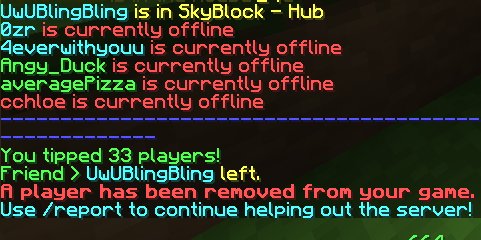
The game has removed a player due to either their voluntary exit, disconnection, or a game-specific removal process.
Experiencing a sudden shift in your game’s dynamics can be jarring. You might be wondering why the familiar screen displays that “a player has been removed from your game”. These events are part of the interactive experience, and many reasons cause a player’s absence.
It can range from a simple disconnection due to internet issues or the user choosing to leave the match themselves. There are also situations where the game itself removes a player due to violations or other criteria.

A Player Has Been Removed From Your Game: What Happens Next?
It’s never fun when a player gets removed from a game. Whether it’s an online multiplayer world, a board game night with friends, or even a quick card game, losing a participant can change the dynamic and sometimes even ruin the fun. This article will guide you through the common reasons behind player removals, what it means for the game, and how to handle the situation with grace and understanding. We will explore the various perspectives – from the removed player to the remaining players, and even the game itself.
Why Players Get Removed
Before we talk about the impact of removing a player, let’s understand why it happens in the first place. Player removal isn’t always a negative thing; sometimes, it’s a necessary action for the health of the game or the group. Let’s look at some of the most common reasons:
Disconnections and Technical Issues
In the world of online games, technical problems are unfortunately very common. This can be frustrating, because it’s usually out of the player’s control. Here are a few typical situations:
- Internet Problems: A shaky internet connection can cause a player to disconnect from the server, kicking them out of the game.
- Game Crashes: The game software itself might crash, forcing the player to restart and often leaving the current game behind.
- Power Outages: A sudden power outage will suddenly remove a player from a game session.
- Hardware Failure: If a player’s computer or console stops working, they’ll obviously be removed.
Violating Game Rules or Community Guidelines
Every game, whether digital or tabletop, has rules to ensure fair play and a fun environment. When players break these rules repeatedly or significantly, removal might be the only answer. Examples include:
- Cheating: Using hacks or exploits to gain an unfair advantage ruins the experience for everyone else.
- Griefing: Intentionally harassing other players, trying to make them upset or angry.
- Harassment and Toxicity: Using offensive language, making personal attacks, or creating a hostile atmosphere are all big no-nos.
- Using prohibited software Many games don’t allow players to use third party software for game modification or performance boost.
Voluntary Leaving
Sometimes, a player simply chooses to leave. This could be for many reasons, and it’s not always negative.
- Real-life Emergencies: A player might suddenly have to leave to deal with an urgent situation.
- Boredom or Disinterest: If the game isn’t engaging, a player might decide to move on.
- Fatigue: Players might get tired or need a break, especially during longer gaming sessions.
- Time Constraints: Real life can call at any moment, so a player may need to depart due to time commitments.
Administrative Removal
In rare cases, game administrators or moderators might remove players directly. This usually happens if:
- The player has made severe violations of the rules
- The player is exhibiting patterns of disruptive behavior
- The game is undergoing maintenance
- To address any technical issues.
The Impact of Losing a Player
The impact of player removal varies based on the game type and the specific circumstances. Here’s a look at how it affects different kinds of games:
Effects in Team-Based Games
In games where players work together, removing a player can have a major impact. Here are some consequences:
- Reduced Team Strength: The team is now down a member, making it more difficult to win.
- Shifted Roles: Remaining players might need to adjust their roles or tactics to cover for the missing teammate.
- Lowered Morale: Losing a teammate, especially if it was unexpected, can affect the team’s confidence and enthusiasm.
- Tactical Difficulties: Certain strategies might become impossible if they require a specific number of players.
Example: Imagine a 4 vs 4 first-person shooter. If one player from a team gets removed, that team now has to battle with 3 players against the 4 players of the opposite team, which significantly makes it tough for the reduced team to win.
Effects in Competitive Games
In games where players compete against each other, removing a player can create an imbalance:
- Unfair Advantages: If a player is removed and there are no other players to fill the gap then other players can have advantage.
- Disrupted Flow: The game’s rhythm can be thrown off, making it less enjoyable for everyone.
- Changed dynamics: When a player leaves, remaining players have to adjust. It can change alliances, rivalries, and strategies.
Example: In a one vs one fighting game, if a player leaves the game, then it means that the other player won, but the winning player has not earned it by playing fair.
Effects in Cooperative Games
In cooperative games where players work as a team against the game itself, losing a player can be a big problem:
- Increased Difficulty: The game might become much harder since it was designed for a specific number of players.
- Lost Progress: If the game requires a certain level of cooperation, progress may be slowed or stopped.
- Increased workload: If one player leaves, then the work might shift to the remaining players, which may result in losing the fun.
Example: Imagine a cooperative board game where players are working together to defeat a monster. If one player leaves, the game suddenly becomes harder and the group may not be able to win anymore.
Effects in Single-Player Games
Even in single-player games, technical difficulties can lead to a player removal (such as a crash or an error):
- Lost Progress: The player might lose saved progress, requiring them to replay a section.
- Frustration: Technical issues can lead to negative feelings, especially if the player was doing well.
Example: Imagine playing a role-playing game where you have been grinding for hours and have collected lots of items but suddenly the game crashes, you have to replay from your last saved point, which may mean you will lose a lot of progress.
Effects in Social Games
In social and party games, removing a player can affect the enjoyment of the entire group:
- Reduced Energy: When a player is removed, then the excitement can reduce.
- Changed Dynamics: If a certain player is crucial to creating fun for the group then they will feel the impact of the removed player.
Example: In a casual party game, if a very outgoing and funny person leaves then the mood of the room may suddenly turn less exciting.
How to Handle Player Removals
Dealing with player removals can be tricky. Here’s some advice on how to handle different situations.
When a Player Disconnects
It’s frustrating when a player disconnects because of technical reasons. Here’s what you can do:
- Give Them Time: If it’s a quick disconnect, give the player a few minutes to reconnect before restarting the game.
- Pause the Game: If possible, pause the game to allow a disconnected player time to rejoin.
- Offer Help: If the player has difficulty reconnecting, assist them to solve the issue if possible.
When a Player Violates Rules
When a player breaks the rules, it’s essential to respond fairly and consistently:
- Review the Rules: Make sure the player understands the rules they broke.
- Give a Warning: For minor offenses, issue a warning before removing a player.
- Take Action: If the player continues to violate rules or guidelines, remove them from the game.
- Stay Calm: Avoid getting into arguments. Explain the reason for the removal clearly and calmly.
When a Player Voluntarily Leaves
Players have the right to leave whenever they need to. Here’s how to deal with these situations:
- Be Understanding: Understand that people have real-life situations that force them to leave.
- Wish Them Well: Saying “goodbye” or “take care” can be a nice gesture.
- Adjust the Game: Adapt the game as needed to keep the fun going without the missing player.
When an Admin Removes a Player
If a game administrator removes a player, here’s what you should know:
- Accept the Decision: Generally, administrator actions are final.
- Ask Questions (Respectfully): If you’re unsure why the player was removed, calmly ask the administrator for an explanation.
- Avoid Making a Scene: Don’t become angry, and don’t harass the admin or make negative remarks.
Moving Forward After Player Removal
After a player has been removed, the game goes on. Here are some things to remember:
Focus on Fun
Try to stay positive. The main goal of playing games is to have fun. Don’t allow the removal of one player to ruin your experience.
Adjusting Strategies
If a player’s removal has affected your team or the game, be prepared to change your plans.
Communication
Talk to the remaining players and let them know what’s happening. Open communication helps everyone to stay on the same page and remain calm.
Consider Resuming
Sometimes it may be better to pause the game and come back later. It’s possible the removed player wants to reconnect or others may join the game and continue.
Learning from the Experience
Each experience can help to create a better gaming experience in the future. If a player was removed because of rule-breaking, then the gaming group may want to revisit the rules or create new ones.
Preventing Future Player Removals
While you cannot stop all player removals, here are some tips to minimize them:
Clear Rules
Make sure the game rules are understandable. If needed explain them before starting the game.
Good Communication
Encourage everyone to speak up if there is a problem. Communication helps players resolve issues before they lead to removal.
Fair Play
Create an environment where everyone plays fairly. When players are respectful of each other, then they are more likely to stay in the game.
Stable Internet Connection
If possible, players should play on stable and fast internet. This can help prevent disconnections. If playing on a console or computer, then make sure the hardware is in good condition.
Regular Breaks
During longer gaming sessions, breaks can help prevent player fatigue and frustration. It allows players to refresh, recharge, and then come back to the game feeling ready.
Being Flexible
Sometimes things happen and you can’t avoid them. Be willing to make adjustments and compromise, as it helps a lot when issues arise.
Player removals can be a tough part of gaming. Understanding the reasons for these removals and how to handle them is essential for a healthy gaming community and enjoyment. Remember, staying calm, communicating openly, and adapting to the situation are the best ways to deal with this problem. By following these tips and suggestions, you’ll be able to navigate through player removals with less stress and keep the game fun and enjoyable for everyone.
"A player has been removed from your game thanks for reporting"
Final Thoughts
Dealing with player departures is a part of game management. Situations require quick adjustments. Understanding why a player left helps improve your game.
Remember that sometimes ‘a player has been removed from your game’ due to unforeseen circumstances. This must be accepted and you move forward. Your primary focus should be on the remaining players.

