
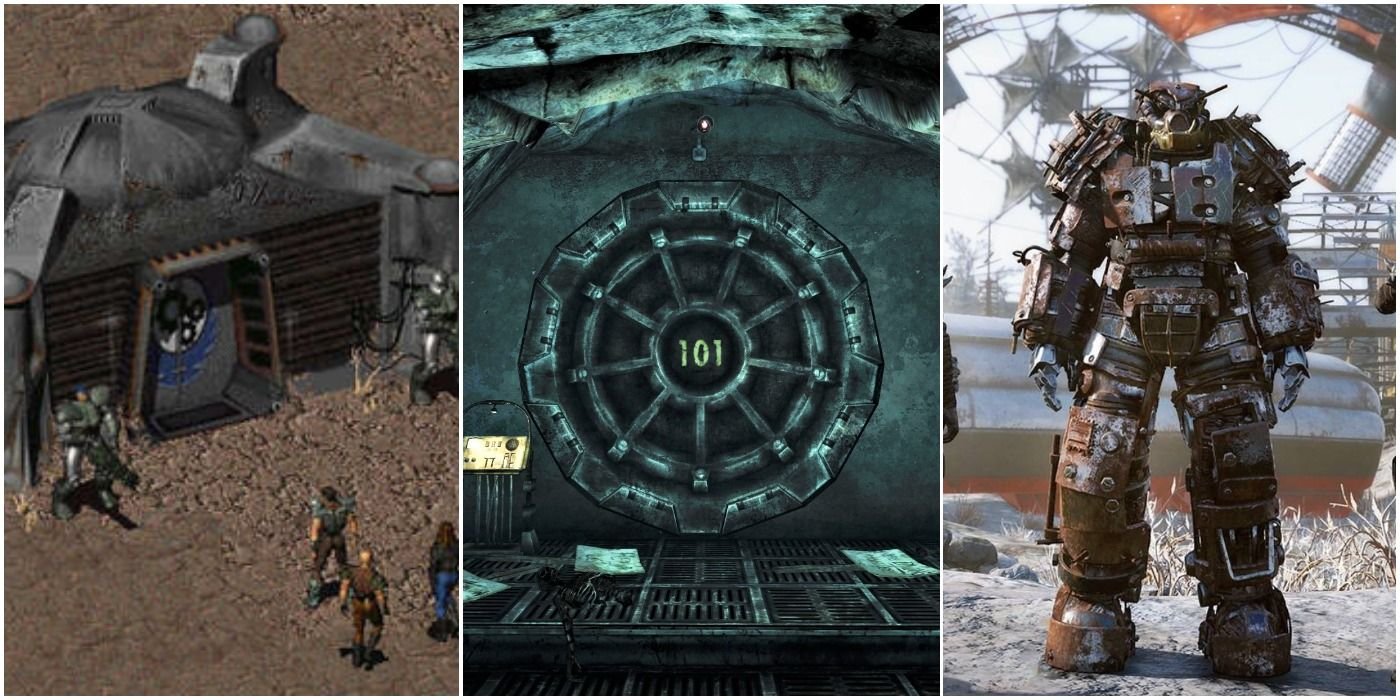
Yes, all Fallout games are connected through a shared world, lore, and often recurring factions and characters, despite having different protagonists and locations.
So, you’ve been wandering the wasteland, perhaps in Boston or maybe even Appalachia, and a question keeps nagging you: are all Fallout games connected? It’s a fair question, given the different settings and characters we encounter in each installment.
The Fallout universe is vast, spanning decades and different regions of a post-apocalyptic America. While each game features its own unique story, they all fit into a single timeline. This timeline binds them, making them part of the larger, interconnected Fallout narrative.

Are All Fallout Games Connected?
The Fallout universe is a big, wild place filled with radioactive monsters, cool power armor, and stories that can make you laugh or cry. But with so many games, it’s easy to wonder if they’re all telling one giant story or just a bunch of little stories happening in the same world. So, are all Fallout games connected? The short answer is yes, but it’s more like a family tree than a straight line. Let’s explore the connections and how they weave together.
The Shared World: The Foundation of Connection
All Fallout games, from the classic isometric adventures to the modern first-person experiences, take place in the same post-apocalyptic world. This shared world is the biggest connector. We’re talking about the same events that led to the Great War of 2077, which turned the world into a nuclear wasteland. This war is the start of everything, and all games deal with its consequences.
The world before the bombs fell is a recurring backdrop, often shown in flashbacks or mentioned in dialogue, establishing a shared history. The pre-war corporations, like Vault-Tec (the company that made the underground bunkers) and RobCo (the robotics company) pop up in nearly all the games. Their experiments and ambitions play a huge part in the stories you experience, and these connections solidify the idea that all the games are part of the same timeline.
The common locations are another key connection between games. You might see familiar places like the ruins of Washington D.C. in Fallout 3, or the Mojave Desert in Fallout: New Vegas. Even if the exact location is different, you often see similar elements such as ruined cities, isolated settlements, and mutated creatures that are common to the whole series.
Key Elements That Connect the Games
- The Great War: The event that kicked everything off, leaving the world in ruins.
- Vault-Tec: The company that created the Vaults, a central mystery in many games.
- RobCo: The company responsible for robots and AI, found in many pre and post-war locations.
- Feral Ghouls: Humans transformed by radiation.
- Super Mutants: Large, strong mutated humans.
- The Brotherhood of Steel: A technology-focused faction often looking to preserve pre-war technology.
- The Enclave: Pre-war government remnants sometimes returning to the wasteland with advanced technology and authoritarian goals.
The Timeline: How Events Link Up
While they share a world, the Fallout games don’t always happen at the same time. They follow a timeline, with events from one game often impacting the story in others. For example, you might see references to events from Fallout 2 in Fallout 3, showing that time has passed and the world is changing. It is not that every game is directly sequential but many references do exist.
Here’s a simple overview of the main games and their approximate place in the timeline:
| Game | Approximate Year | Setting |
|---|---|---|
| Fallout | 2161 | Southern California |
| Fallout 2 | 2241 | Northern California |
| Fallout 3 | 2277 | Washington D.C. |
| Fallout: New Vegas | 2281 | Nevada (Mojave Wasteland) |
| Fallout 4 | 2287 | Massachusetts (The Commonwealth) |
| Fallout 76 | 2102 | West Virginia |
As you can see, Fallout 76 takes place the earliest in the timeline. It serves as something of a prequel, focusing on the very first survivors to emerge from the vaults after the bombs. The events of this game establish the early factions and conflicts that you see evolving in later games.
Understanding the Timelines
While the games are connected through timeline, it’s important to understand that each title typically presents a new narrative with distinct characters and objectives. The timelines may not always connect perfectly. Sometimes, details change to serve the new narrative, but the overall timeline provides a solid framework for how all the games are connected through historical events.
For example, some of the inconsistencies can come from developer changes and creative liberties. It’s something fans of the series often discuss and debate.
Recurring Characters and Factions: Threads That Tie It Together
While each game often introduces new characters, some familiar faces, groups, and even organizations pop up throughout the series. These recurring elements help to solidify that the games are linked within the same universe. They demonstrate that choices in one game have a long term impact, and the effects reverberate throughout the wasteland.
Examples of Recurring Elements
- The Brotherhood of Steel: This group, with their dedication to technology, appears in almost every Fallout game. Though their ideals and methods can vary by region, their presence demonstrates the spreading influence of the group and their struggle to preserve technological knowledge.
- The Enclave: The remnants of the pre-war US government, appear in different forms. They present a constant threat throughout the wastelands.
- Harold: A strange mutated tree-like human that appears in some of the earliest games. His story provides a unique and tragic piece of Fallout lore.
- Super Mutants: Though they have different origins in different regions, their presence is a recurring conflict in all the games. They show the varied and continuing effects of the pre-war experiments that led to the creation of FEV (Forced Evolutionary Virus).
These characters, factions, and elements aren’t just cameos. They help demonstrate that the wasteland has a history, that events in the past are still shaping the present in each game. They create a continuous story that is told across the various games.
For example, the Brotherhood of Steel’s presence evolves over time. The group’s views and goals change as they adapt to the new world. In the first Fallout, they are very rigid and isolated, however in later games they are shown as a more varied group with different branches that operate with contrasting values. This kind of character and group development contributes to the ongoing story of the world.
Regional Differences: The World Isn’t Uniform
While the games share the same world and general lore, each region shown has unique cultures and ways of life. This shows that while the Great War caused global devastation, it led to different cultures in various parts of the country. These regional differences help to make each game distinct.
How Regions Make Each Game Unique
- Fallout 1 & 2 (California): Focuses on the West Coast, showcasing the rise of various tribes and settlements that have emerged over several decades. The original lore starts here.
- Fallout 3 (Washington D.C.): A much more urban wasteland with very unique ruins and a strong focus on pre-war government structures.
- Fallout: New Vegas (Nevada): Depicts the Mojave Desert, offering a mixture of lawless frontiers and the last remnants of pre-war civilizations.
- Fallout 4 (Massachusetts): Presents a more vibrant and technologically advanced wasteland than previous games with some new factions emerging.
- Fallout 76 (West Virginia): Showcases the very early days of post-nuclear life with a focus on the first vault dwellers and how they first began rebuilding after emerging.
Each area has its own unique problems. You will find a unique variety of enemies, factions, and overall feel. The different settings demonstrate that the Fallout world is complex and varied, not just one large destroyed landscape. It helps to highlight the idea that the stories, while linked, are diverse and unique to each locale. These distinct cultures, environments, and stories add layers to the world.
While all the games take place in the same overall setting, regional differences make each game feel like a unique experience. This creates a complex tapestry of the post-apocalyptic USA. You see how the same event has a variety of impacts across the different parts of the world.
Spin-offs and Lore: Expanding the Fallout Universe
Beyond the main games, there are also spin-offs, like Fallout Tactics and Fallout Shelter. While these don’t always directly impact the main timeline, they add more details to the lore and history. They often show other areas and events that make the Fallout world richer.
For example, Fallout Tactics shows a more military focused perspective of the game world. This provides different insight into the struggles of the wasteland, and shows various aspects of conflict. Fallout Shelter offers an unique view of the life within Vaults and how these pre-war experiments often turned out. It lets the players see the darker aspects of the vault experiments from a different perspective.
Adding Lore Through Spin-Offs
- Expanded World: Spin-offs show more places, further exploring the effects of the war in different locations.
- Additional History: Through spin offs, you get additional back stories on different places and groups.
- Unique Gameplay: They introduce new gameplay mechanics and styles that you don’t see in main games.
While not always central to the main timeline, the spin-offs add a lot to the overall feel and depth of the Fallout world. They highlight how many different lives were affected, and show many various aspects of the setting. This helps to show the true scale and scope of the Fallout universe.
Yes, all the Fallout games are connected. They share a universe, a timeline, and many common characters, groups and elements. The individual stories each have their own unique narratives, but they all build upon a common foundation. The games tell a massive, ongoing saga of a world forever changed by the Great War. From the early days of rebuilding in Fallout 76 to the complex conflicts in the later games, they show the various stories of the wasteland and those who try to survive within it. While the story is told by many different perspectives, each narrative is a part of the greater Fallout experience. So while they are all separate games, they are all telling parts of the same grand story of the Fallout universe.
The Complete FALLOUT Timeline Explained!
Final Thoughts
The Fallout series shares a common universe and timeline, creating connections between games. Recurring factions, like the Brotherhood of Steel, appear throughout. These shared elements provide a sense of continuity.
However, each game tells a standalone story with new protagonists and locations. Players may not need prior knowledge. So, are all fallout games connected? Yes, they share a universe but are not dependent on each other. Each game is its own engaging experience, even though its set in the Fallout timeline.

