
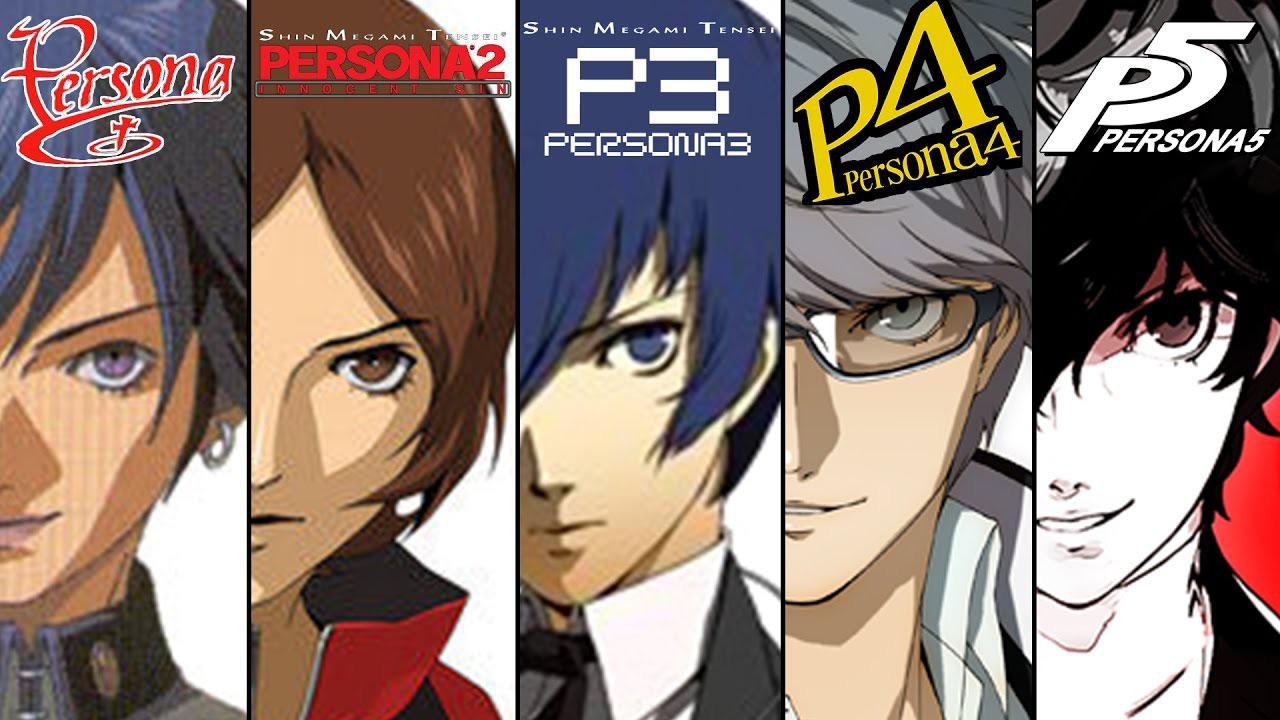
No, not all Persona games are directly connected in a single continuous narrative, though they share thematic links, similar gameplay mechanics, and recurring characters in minor roles or cameos.
Have you ever wondered if the worlds of Persona 3, 4, and 5 exist in the same reality? Many fans debate this very topic, asking ‘are all Persona games connected’. The truth is a bit complex. While they’re not all part of one long, continuous storyline, they have many threads that tie them together.
They share a core gameplay loop and the same overall feel. Plus, eagle-eyed players will notice repeated characters making brief appearances. It’s a shared universe, rather than a single, unified tale.

Are All Persona Games Connected?
That’s a question that’s been buzzing around the heads of Persona fans for years! The games, with their cool characters, awesome music, and spooky shadow battles, feel like they could be part of a bigger story. But are they really all connected? Let’s dive deep and explore what makes this topic so interesting!
The Recurring Themes and Motifs
Even if the stories aren’t directly linked, the Persona series has some special ingredients that pop up again and again. These are like familiar faces in a crowd, connecting the games in a subtle way.
The Velvet Room and Its Inhabitants
First off, we have the mysterious Velvet Room. This is a place that exists between realities, often appearing as a fancy room or a limousine. It’s run by the enigmatic Igor, with his long nose and unsettling smile. He’s always there to help the main character, or at least give them cryptic advice. Igor’s assistants also play a part, from the helpful Elizabeth to the stern Theodore. Though their looks change between games, their roles and the vibe of the Velvet Room stay constant. It’s a place of guidance and power, a vital location in each game. This recurring element suggests a deeper connection between all the protagonists and their unique journeys. Think of it as a cosmic bus stop that all our heroes visit on their way to greatness.
Personas and the Collective Unconscious
The whole idea of Personas is another major connection. Each character summons a Persona, which is like a superhero version of their inner self. These Personas often come from mythology and legends, reflecting the character’s personality or the challenges they face. The concept of the collective unconscious, a place of shared thoughts and ideas, ties into this. It is said that the Personas come from this space. This shared space is kind of like an internet for thoughts. This theme ties all the games together. It means that the worlds share the same underlying rules and a common source of power.
The Arcana
The Persona series uses the Major Arcana of the Tarot to group and categorize characters and their journeys. From The Fool to The World, each Arcana represents a stage in the journey and personality traits of a characters in the game. These connections make the universe feel like a collection of interconnected experiences. When you meet a character in one game, their associated arcana makes it easy to understand where they stand in the larger scheme of the universe. These common symbols mean all the games are built upon similar archetypes.
Direct Connections: Hints and Easter Eggs
While there’s no central storyline connecting all games, there are some hints and nods that suggest the games share a world or universe.
Character Appearances
Certain characters appear in more than one game, but often their appearances are brief. They are more like easter eggs for dedicated fans. For example, the cute Teddie from Persona 4 pops up as a costume in Persona 5. These appearances are fun for fans. These appearances could suggest a more direct link beyond just cameos. But mostly, these moments are meant to be a fun fan service.
Location References
Sometimes, a location from one game might be mentioned or even visited in another. For instance, you might hear about the events of Persona 3 taking place. These kinds of references give the impression that the stories all happen in a singular world. They make it seem like the world is moving and changing, where each story has a lasting effect on the other.
The P-1 Grand Prix
The Persona 4 Arena fighting games take characters from Persona 3 and 4 into a new fighting game setting, further expanding the timeline of these games. While these are not mainline RPG titles, their storyline does create a direct connection between Persona 3 and 4, showing a few years following the events of those respective games. This might make you question whether Persona 5 will join in this particular storyline, but so far, that has not happened.
Timeline Confusion: Parallel Universes or Reboots?
The timeline of the Persona games can get a bit tangled. Some think that the games take place in parallel universes, where each game is its own version of the world. Others suggest that each numbered title is a reboot, with new rules and ideas. Let’s look closer at both sides.
The Parallel Universe Theory
This theory states that each game happens in a slightly different version of the world. This is similar to the idea that there are different timelines happening alongside each other. These small changes in each world can explain why events in one game don’t seem to impact another. For example, the story of Persona 3 doesn’t directly affect the main story of Persona 4 or 5. This idea fits well with the supernatural elements of the series. Since they can alter realities, multiple versions of the world could easily exist at the same time. If we take the persona series as a multiverse instead of a single timeline, it becomes easier to rationalize the lack of crossovers in main games.
The Reboot Theory
The reboot theory suggests that each numbered game is a completely new story. It uses similar themes and ideas but with new characters and a new plot. Each game brings with it a unique take on the core mechanics, with Personas, Social Links, and dungeon designs, with slight variations each time. The team behind the Persona series likely chooses to do this to keep the game fresh and exciting for new players while also staying true to what fans love. This would explain why there are no major crossovers and why the stories are self-contained.
Spin-Offs and Crossovers
While the numbered titles of the Persona series can be debated as connected or not, the spin-offs can easily be seen as adding layers and connections to the series.
Persona Q and Persona Q2
The Persona Q games act as crossover events, bringing together heroes from Persona 3, 4, and 5. In these games, characters from across the timeline get together. They work as a team, showing us how well they fit together. These events can be seen as taking place within a separate space outside of their own timelines. These games show some potential, but ultimately, this collaboration is more of a celebratory game than a new plot point within the timeline of the Persona series.
Dancing Games and the Arena Series
The dancing games, like Persona 3: Dancing in Moonlight and Persona 5: Dancing in Starlight, are more like fun side stories than major plot advancements. The Arena series is very important, but these games don’t really make changes to the core world or plot in the main Persona titles. They are designed more as fan service and an opportunity to enjoy all the characters one more time. These spin-offs help solidify that the Persona series is all happening within the same sphere. The characters do not just exist within their one game. They are able to crossover in different timelines.
The Power of Interpretation
Ultimately, the question of whether the Persona games are connected comes down to how each player chooses to see the games. There are strong pieces of evidence for both sides of the argument. The developers have intentionally created a setting where both a single timeline and parallel universes could be true. Whether they’re all a part of one big story or just share a similar soul, the connections and shared ideas make them all feel like they belong together.
Thematic Connections
Even if the stories don’t share a direct timeline, the core themes are always there. These themes include overcoming challenges, understanding ourselves and others, and building strong connections. This is a constant theme through all of the games. Every single game explores these concepts through its own stories and characters, creating a beautiful tapestry of shared experiences. This shared focus creates a strong link between each game.
Personal Experiences
A lot of the feeling of connectedness comes from our own experience with the games. Fans become connected to their favorite characters and worlds. These games become special to players for different reasons. Because of that, any connections they make become very personal. This level of personal connection makes these worlds feel as if they belong to each other. So, if you feel like the games are connected, then that’s valid for you. It’s how the Persona series impacts the player that truly connects these games together.
Whether you believe they’re all part of one big story or different worlds that share common themes, the Persona series remains a special and captivating experience. The way the games are made allows us to think in depth about the story. It invites us to ponder the big questions about reality and the human soul. That might just be the strongest connection of all.
Persona's Shared Universe Timeline (feat. @Macca) | A Line Through Time
Final Thoughts
Ultimately, the persistent themes and recurring motifs strongly suggest a connected universe. While direct plot links are few, the shared symbolism and concepts form a compelling web. So, are all persona games connected? The answer is nuanced, but the evidence points towards a definite connection, even if subtle.
Each entry expands upon a shared mythos; that’s why the main keyword of connection remains captivating to fans. They appreciate how these titles enrich a larger, interconnected narrative.

