
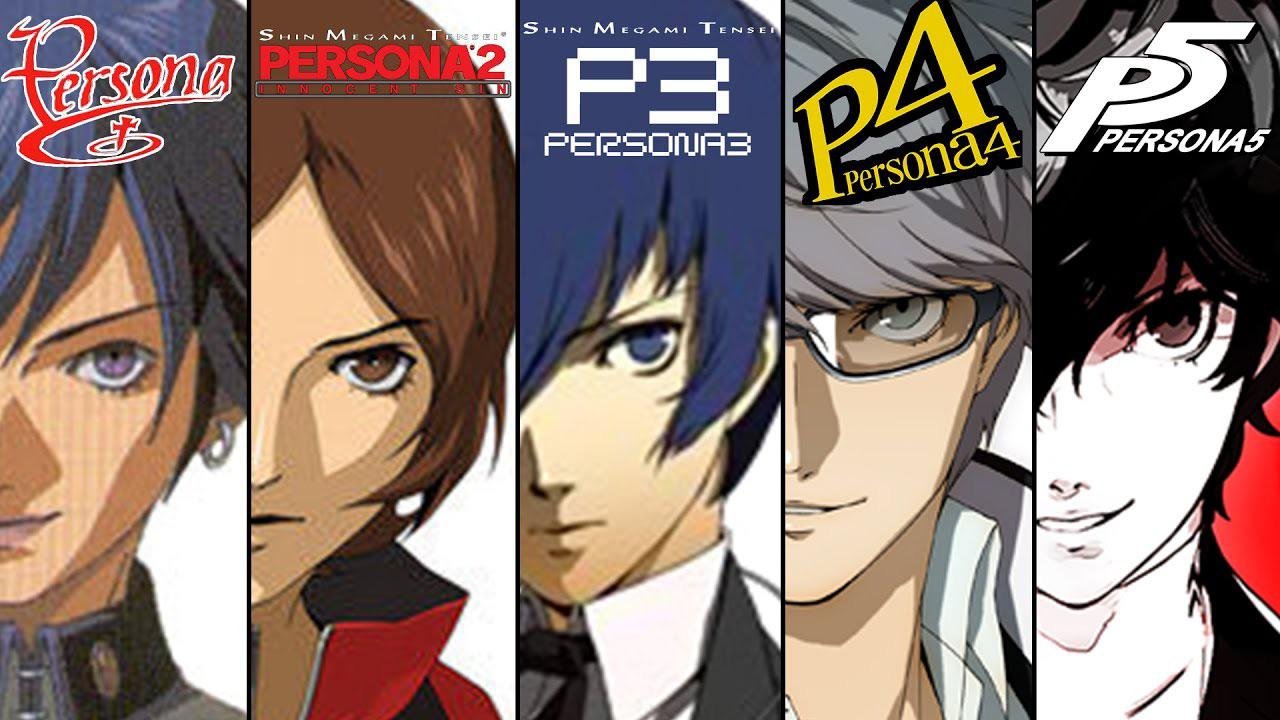
Yes, the Persona games are connected through shared themes, recurring characters, and subtle references, but each entry largely tells a standalone story.
The burning question among fans often revolves around the interconnectedness of the Persona series: are all the Persona games connected? It’s understandable why many wonder if they need to play them in order. Each title certainly feels unique, with its own cast of characters and setting.
Yet, careful players often spot hints, familiar faces from previous titles, and thematic elements that suggest a larger world. While not a continuous narrative, these recurring aspects knit the games together. This connection creates a more immersive and enjoyable experience for those who delve deeper.

Are All the Persona Games Connected?
Okay, let’s dive deep into the world of Persona! You might be wondering, “Do all these awesome games take place in the same universe?” It’s a great question, and the answer is a bit more complicated than a simple yes or no. While they’re not connected in the way a Marvel movie or a Harry Potter book series is, they do share a lot of cool things that make them feel like they’re part of something bigger. Let’s explore what those connections are and how they all fit together. We will look into the common themes and the subtle connections, which makes it unique and amazing universe for the fans.
The Velvet Room: A Constant Presence
One of the biggest clues that the Persona games are linked is the Velvet Room. Imagine a mysterious, otherworldly place that exists between dreams and reality. That’s the Velvet Room! In every mainline Persona game, the main character gets invited to this strange room, often by a blue-haired person with a long nose called Igor.
Igor is like the host of this place, and he helps each main character grow stronger. The Velvet Room is not the same in all the game, but it’s always there. Sometimes it is a limo, or a prison, or a hotel room. But it’s always the Velvet Room.
- Igor: The ever-present, long-nosed master of the Velvet Room.
- Velvet Room Attendants: These characters vary, but they all help the main character grow. Some examples include Elizabeth, Margaret, Theodore, and Lavenza. They sometimes appears in other Persona titles, which makes a strong connection between the games.
- Function: The Velvet Room is where the main character can fuse Personas together to make stronger ones. It’s a key part of each game’s battle system.
Personas: The Power Within
Another big connection is, of course, Personas themselves! These are like the masks that people wear inside their hearts. When someone faces a big challenge or strong emotion, they can sometimes awaken their Persona, which is usually based on figures from mythology, history, or folklore.
You’ll find many of the same Personas showing up in multiple games. For example, Pixie, Jack Frost, and Pyro Jack are all common demons that appear in many Persona titles. This shared cast of personas provides a thread of familiarity that weaves throughout the series.
How do Persona works?
- Awakening: Characters awaken their Persona when they understand a new aspect of themselves.
- Appearance: Personas have unique appearances and abilities.
- Usage: Characters use Personas to fight Shadows (the game’s monsters).
Shared Themes and Motifs
Beyond the concrete elements like the Velvet Room and Personas, the games also share similar themes and motifs. These are like the feelings and ideas that run through each story. These common threads help us see how the games are part of a larger whole. It creates a unique style for the series that makes it feel connected, even if stories and characters aren’t directly linked.
- Social Links/Confidants: In each game, the main character can make friends and build relationships with other people, which is called social link. These relationships help the main character grow and become more powerful.
- Dealing with Inner Conflicts: Characters often face challenges and grow because of them.
- Exploring the Human Psyche: The Persona games often delve into big questions about what it means to be human and how we deal with our feelings.
- The Power of Friendship: The friendships and bonds you make are essential to succeeding in Persona.
Different Worlds, Different Stories
Now, even with all these connections, the Persona games are not all taking place in the same exact world with the same continuity. Each game has its own setting, own characters, and its own unique story, with unique plot lines. While they all exist in the same universe and share similar elements, the events of one game do not directly affect or carry over to another.
For example, the characters from Persona 3 don’t show up in Persona 4 or Persona 5. Instead, it’s as if each game is exploring a different part of the same larger world. Think of it like different chapters in a big, connected book. We get new stories and different characters each time.
Mainline Persona game
Here’s a simple breakdown of the main Persona games and what makes them different:
| Game | Setting | Main Theme | Unique Element |
|---|---|---|---|
| Persona 3 | Gekkoukan High School, Tatsumi Port Island | Death and acceptance of fate | The Dark Hour, Tartarus |
| Persona 4 | Inaba, rural countryside | Truth and self-discovery | The TV World, Midnight Channel |
| Persona 5 | Tokyo, Shibuya | Rebellion and justice | Stealing Hearts, Palaces |
| Persona 5 Royal | Tokyo, Shibuya (with new areas) | Exploring deeper aspects of justice | New character, new semester |
The Spin-Off Games: Where Things Get Interesting
Okay, things get a little more tangled when we talk about the spin-off Persona games! These games are set in the same universe as the main games, but they have different gameplay. Some of these games feature characters from multiple mainline Persona titles. These games often serve as a way to further develop established characters and explore new stories within the same world.
For instance, Persona Q: Shadow of the Labyrinth and Persona Q2: New Cinema Labyrinth bring together characters from Persona 3, Persona 4, and Persona 5 into a single adventure. These games are not essential to the main storyline, but they show how connected these worlds are. These spin off games take all the Persona characters from different games and mix them up.
Some Persona Spin Off Games
- Persona Q: Shadow of the Labyrinth: A dungeon crawler featuring characters from Persona 3 and Persona 4.
- Persona Q2: New Cinema Labyrinth: Characters from Persona 3, Persona 4 and Persona 5 all come together.
- Persona 4 Arena & Persona 4 Arena Ultimax: Fighting games that continue the stories of the Persona 4 characters.
- Persona 5 Strikers: A Musou style game that serves as a sequel to Persona 5.
- Persona Dancing Games: Rhythm games featuring music from various Persona titles.
These spin-offs show that the world of Persona is vast and interconnected and the characters can visit each other’s world.
Subtle Nods and References
The Persona games also have lots of little references and nods to each other. These are like secret Easter eggs that fans can find. For example, sometimes you might see a character or item from a different Persona game mentioned. There’s a general sense of a shared history that exists within the game world. While these references do not impact the overall plot or storyline of the game, they are fun for fans and add another layer to the world.
These small nods help make the games feel connected, even though their stories are different. It’s like being part of an insider group that recognizes the same little details.
- Character Appearances: Some characters from past Persona games make cameo appearances or are mentioned in passing.
- Item References: Items from one game can show up in another.
- Location Callbacks: Familiar locations might appear or be mentioned in dialogue.
The Significance of the Shared Universe
The fact that the Persona games share a universe is more than just a neat detail. It adds an extra layer of meaning to the stories. Each time a new Persona game is released, fans can appreciate not only the new adventure, but also the familiarity of the Persona world itself.
It creates a sense of belonging for the players. They are part of a community that knows about the Velvet Room, Personas, and the power of friendship. It provides a common ground for fans to share their experiences and theories about these games. This shared universe has allowed the franchise to thrive and develop its loyal fanbase.
So, even though the main characters are not directly linked, they all live in this same vast and mysterious universe. The Persona games, with their themes, Personas, and Velvet Room, offer a rich interconnected universe that rewards players with a unique experience. They are connected through these common themes, settings, and recurring characters and mechanics.
The series is like a big, interconnected web where each thread, each game, has its own pattern but the threads are all connected to make a huge network.
While the games offer unique adventures, this shared universe provides a common ground, allowing fans to appreciate the vastness of the Persona world. This makes each game feel familiar and new at the same time. The game’s stories and characters make it unique and the universe that it lives in makes it truly special and one of a kind.
Persona's Shared Universe Timeline (feat. @Macca) | A Line Through Time
Final Thoughts
Ultimately, the evidence suggests a shared thematic universe rather than a strict, linear continuity. While recurring characters and concepts hint at connections, each Persona game largely operates independently. The nature of these links often remains ambiguous, existing as nods and easter eggs.
Therefore, while the games are interconnected in spirit and through a multiverse concept, a direct storyline is not a must for enjoying each title. So, are all the persona games connected? It seems the answer is a nuanced “kind of,” depending on your interpretation.

