
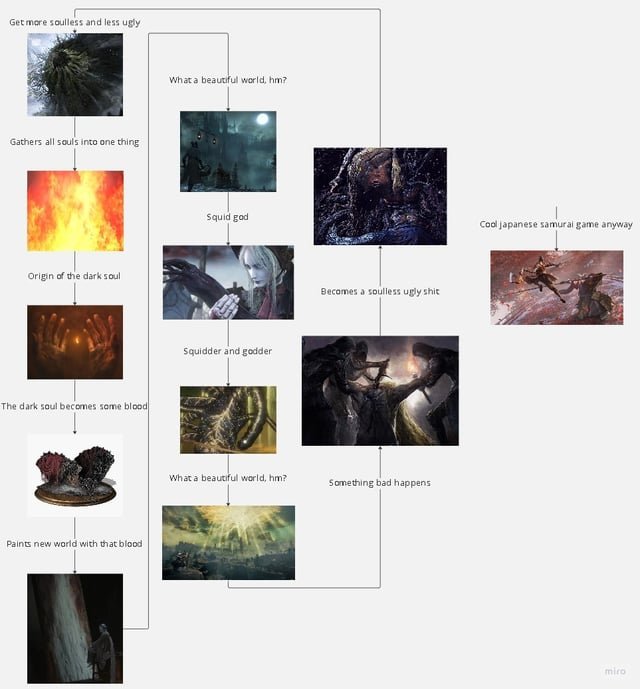
While not directly connected through a singular, linear narrative, the Souls games share thematic elements, recurring characters, and similar lore, suggesting a loose, interwoven relationship rather than a direct connection.
The burning question on every Soulsborne fan’s mind is this: are all the souls games connected? The answer isn’t a simple yes or no, and that’s part of the fun. These games, developed by FromSoftware, weave intricate tapestries of lore.
It’s not a straightforward story connecting each title like a book series, but they share a DNA. Recurring ideas like the cycle of fire and dark, familiar faces, and shared item descriptions hint at a shared universe, or perhaps, multiple iterations of a similar world.

Are All the Souls Games Connected?
The world of Souls games, those challenging action role-playing games created by FromSoftware, is filled with mystery and intrigue. Players often find themselves piecing together fragments of lore, wondering if there’s a bigger picture connecting these seemingly different worlds. So, the big question lingers: are all the Souls games connected? Let’s dive deep and explore the evidence, fan theories, and developer insights to try and find an answer.
The Case for a Shared Universe
Many players believe that the Souls games – Demon’s Souls, Dark Souls trilogy, Bloodborne, Sekiro, and Elden Ring – exist within a single, interconnected universe, or perhaps a multiverse of sorts. This idea isn’t just wishful thinking. Several recurring elements and themes suggest a possible link:
Recurring Items and Characters
Throughout these games, you see specific items, characters, or concepts popping up, sometimes with slightly different forms, but clearly reminiscent of something from another title. For example:
- The Moonlight Greatsword: This iconic weapon appears in almost every FromSoftware game, often imbued with magical properties. It acts as a clear nod to previous games, even if it changes in appearance.
- Patches: This sneaky, bald character with a love for traps appears in various incarnations. He’s known by different names like Patches the Hyena, Patches the Spider, but the character’s personality and intent are consistent throughout the games.
- The concept of souls: The idea of souls as currency and a source of power is a core mechanic in many of these games, suggesting a shared metaphysical understanding of the world.
- The dragon motif: Dragons are a significant element in nearly all FromSoftware titles, and while their appearances and lore differ, their presence in various forms across different games may suggest a similar origin or a continuing cycle of some kind.
- Concepts like Fire, Light, and the Abyss: These thematic elements appear in different ways across the titles, sometimes subtly, sometimes overtly. For example, the concept of a dying flame is central to the Dark Souls series but appears in a different context in other games, suggesting that these ideas are part of the building blocks of the universe.
These shared elements serve as breadcrumbs, leading players to wonder if they are more than just references.
Thematic Parallels
Beyond items and characters, there are many thematic similarities across the games. Things like the cycle of decay and rebirth, the dangers of unchecked ambition, and the struggle against fate are common threads weaving through these narratives.
- The Cycle of the Flame/Curse: The Dark Souls series heavily features the concept of the First Flame fading, which forces the world into an age of darkness. A similar cycle of collapse and rebirth is hinted at in other games, suggesting a common metaphysical structure underlying their universes.
- The Consequences of Power: The desire for power often corrupts characters, leading to their downfall. This theme is repeated in different forms, showcasing that the allure of power comes with a price.
- The Struggle Against the Inevitable: Characters in these games often fight against fate, defying predetermined paths and struggling against seemingly insurmountable odds. This struggle against destiny is a recurring theme.
These thematic echoes make it seem as if the games are exploring different facets of the same philosophical or cosmological system.
The Case Against Direct Connection
While there’s strong evidence pointing towards potential links, there’s a good case to be made against a direct, literal connection between every Souls game. Here’s why:
Inconsistent Lore
The lore in each game, while intriguing, often contradicts another game’s lore if you try to combine them too literally. For instance, the gods, the specific nature of the world, and the very physics of the world are not consistent.
- Different Gods and Deities: Each title introduces its own pantheon of gods, demigods, and otherworldly beings. While some parallels can be drawn, their direct origins and powers vary, suggesting separate mythologies.
- Varied World Mechanics: The way magic, technology, and the laws of physics operate differ significantly across different games. For instance, firearms are prominent in Bloodborne, whereas they’re rare and less powerful in Dark Souls.
- Conflicting Timelines: The time periods that these games appear to be set in are vastly different from one another, making it difficult to imagine them existing at the same time in a single universe.
These inconsistencies can be explained by saying there are different realms or universes, but the differences are stark enough to argue against a single continuous timeline.
Designed Differences
FromSoftware has stated that each game is intended to be a distinct experience. These titles are built with intentional design differences to give each of them their own unique flavor.
- Unique Settings and Aesthetics: Each title has its own visual style, architecture, and atmosphere that are meant to stand apart, reinforcing the idea of separate, unique worlds.
- Gameplay Variety: While core mechanics like challenging combat and exploration are common, each game has significant gameplay differences, like the emphasis on fast-paced combat and trick weapons in Bloodborne or the posture-breaking system in Sekiro.
- Independent Narratives: Each game tells its own story, with its own cast of characters, and its own set of challenges to face. These stories, while sharing themes, don’t directly tie into a grand, unified storyline.
These independent designs indicate that the developers wanted each game to be its own thing, not just a chapter in a giant ongoing saga.
The Possible Explanation: Shared Concepts and Themes Rather Than Direct Connections
So, if they’re not all in one universe or just individual games entirely, then what connects them? The most likely explanation lies in the idea that these games are linked thematically and spiritually, rather than literally. Let’s explore this idea:
Mythic Archetypes
Many believe that the recurring elements of the Souls games are more like mythic archetypes that are being reinterpreted. These archetypes are ideas, symbols, and character types that crop up in stories across cultures and time. For example:
- The Hero’s Journey: The central narrative often follows the hero’s journey, where the player character overcomes trials and tribulations to achieve a specific goal.
- The Fall of Civilizations: The theme of a great civilization falling into decay is a common archetype, explored differently but consistently.
- The Wise Fool: Characters like Patches, who are both deceitful and sometimes helpful, represent the archetype of a wise fool or trickster.
These archetypes connect the games through a shared storytelling foundation. The developers may draw from these common themes and give them their own unique twist.
Metaphorical Links
The connections between the Souls games might be more metaphorical than literal. This means they’re linked by ideas and symbolism, not a shared geography or timeline. For instance:
- The Concept of the Cycle: The repetition of cycles of fire, darkness, or ages could be a metaphor for the cyclical nature of history or even the development process itself.
- The Symbolism of Fire/Flame: The flame may represent life, consciousness, or progress. Its fading can show themes of entropy and the end of something.
- The Nature of Souls: The concept of souls may be metaphorical for inner potential and the consequences of choices and how they can have an effect on you.
These symbolic connections create a sense of unity and allow players to find deeper meanings within each story, while also allowing each game to have its own identity.
Developer Intent
FromSoftware has generally been ambiguous about the idea of direct connections. This lack of specific, direct confirmation supports the idea that the games are more interconnected by spiritual themes than a literal storyline.
- Ambiguity and Player Interpretation: The developers have encouraged player interpretation, with their unique and vague storytelling that allows fans to come to their own conclusion about the shared connections.
- Focus on Themes, Not Direct Story: They seem more focused on delivering powerful thematic experiences than on creating a single, cohesive narrative spanning multiple games.
This ambiguity lets the games stand on their own, while still allowing the player to find threads and enjoy the common themes running throughout them.
What About Elden Ring?
With the arrival of Elden Ring, the debate over interconnectedness got renewed. The game is similar to a lot of FromSoftware’s previous games, and there are some shared items and themes, but it is still very unique. Does this point to a connected universe?
Similarities with other games
Elden Ring features items such as the Moonlight Greatsword and themes of power and decay. These similarities can be seen as evidence of a shared universe for those who like this theory.
Differences from other games
Elden Ring has a unique and different world with its own new rules and lore. The scope of the game and the open world design have set it apart from other games and are not in line with a linear approach of the other souls games. So, it further supports the idea of a spiritual link over a direct one.
Conclusion on the Connections
So, are all the Souls games connected? The evidence suggests that they are not connected in a direct, literal sense like chapters in a single book. Instead, they are linked by recurring themes, mythic archetypes, and metaphorical parallels. They all seem to draw from the same well of inspiration, making them spiritually connected. They are each unique journeys, but they seem to share an understanding of the world. This approach lets each title shine on its own while also creating a richer, more rewarding experience for players who enjoy exploring the deeper mysteries of each game.
Could All of FromSoftware's Games Be Connected!? INSANE Theory! ( Elden Ring, Dark Souls & More )
Final Thoughts
Ultimately, the connections between Souls games remain subtle and largely thematic, not a direct, linear timeline. Shared concepts and items are present, suggesting a sort of spiritual link.
While direct characters or events crossing over are rare, the cyclical nature of the worlds strongly hints at a shared fate. So, are all the Souls games connected? The answer is yes, in a loose, mythical sense; a must for lore enthusiasts.

