
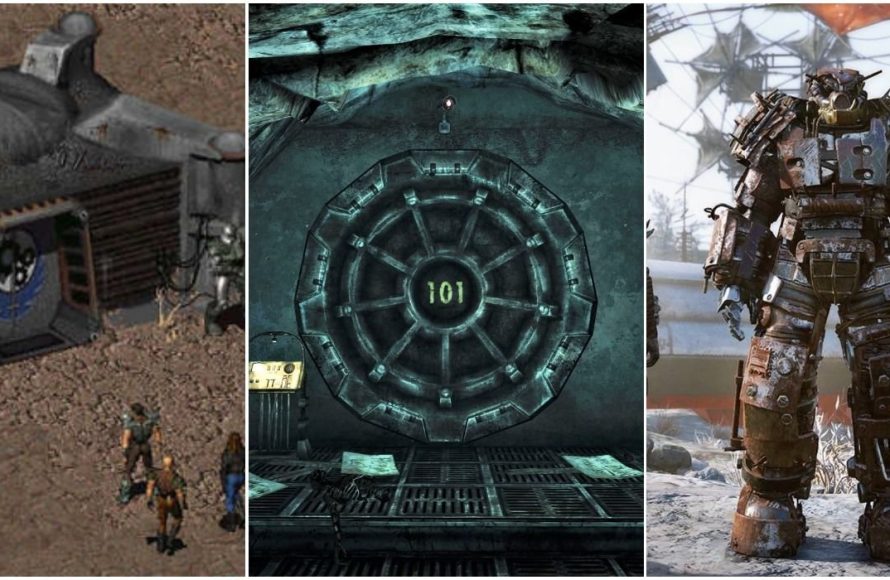
Yes, the Fallout games are connected, sharing a common post-apocalyptic world and timeline, often featuring recurring factions, locations, and historical events, though each game has its own self-contained story.
Ever wondered if all those nuked landscapes and vault-dwelling adventures actually tie together? Many players ask, are fallout games connected? Well, you’re not alone in pondering the relationships between titles like Fallout 3, New Vegas, and 76.
The shared world, while vast, does allow for familiar factions like the Brotherhood of Steel to make appearances across multiple entries. Each game tells its own unique story, but within the wider timeline and history of the Fallout universe.

Are Fallout Games Connected? Exploring the Wasteland’s Shared Lore
The world of Fallout is vast and intriguing, filled with mutated creatures, powerful factions, and remnants of a pre-war society. With so many games in the series, it’s natural to wonder: Are the Fallout games truly connected? The short answer is yes, they are! But the connections aren’t always obvious, and the way they’re linked is what makes the Fallout universe so fascinating.
The Core Connection: A Shared Timeline and Lore
All Fallout games, from the original to the latest releases, exist within the same overall timeline and share a consistent fictional history. They all depict the aftermath of the Great War, a nuclear holocaust that occurred in 2077. The games explore different regions of the former United States, each showing how the war and its consequences impacted specific locations. The overarching lore, the history that provides the foundation for the game world, remains consistent across all titles. This includes the backstory of Vault-Tec, the pre-war companies, and the social and political climate leading up to the bombs dropping. This consistent lore creates a shared identity for all Fallout games, even when the stories and characters are new and original.
The Great War and Its Aftermath
The Great War is the central event that ties all the games together. It’s not something you play through directly, but the repercussions of this global conflict are felt in every single Fallout game. This war was short but devastating, resulting in nuclear fallout and the collapse of civilization as we know it. Different games explore the different ways humanity has adapted, or failed to adapt, to the new wasteland.
- Vault-Tec: This is a crucial pre-war corporation. The company built underground shelters (Vaults) that are present in almost every game.
- The Resource Wars: This pre-war conflict is mentioned across games and is a main factor that lead to the Great War.
- Post-War Factions: The Brotherhood of Steel, the Enclave, and various other groups appear in multiple games, creating a sense of continuity.
Geographical Connections and Regional Differences
While all Fallout games share the same overall timeline and core lore, they are not all set in the same place. Each game takes place in a different region of the United States, which allows players to experience the effects of the Great War in diverse areas, each with their unique landscape, population, and stories. This is where the connections become more nuanced. Each region has its own set of challenges and characters, but they all share the same underlying history and rules of the Fallout universe. Here’s a rundown of where the main games are situated:
- Fallout 1: Southern California
- Fallout 2: Northern California and parts of Nevada
- Fallout 3: Washington D.C. area
- Fallout: New Vegas: Nevada, specifically the Las Vegas area
- Fallout 4: Massachusetts, primarily the Boston area
- Fallout 76: West Virginia
This geographical diversity is a core part of what makes the Fallout universe so engaging. Each game isn’t just another wasteland but a different slice of post-apocalyptic America. The way resources are managed, or the types of creatures roaming the land, changes depending on the specific location. This allows the developers to explore different themes and challenges while remaining faithful to the established lore. Some regions are more barren, while others have seen a regrowth of plant life or the rise of new civilizations.
Recurring Factions and Organizations
One of the most apparent connections between Fallout games is the presence of recurring factions and organizations. These groups often span across multiple games, acting as a tangible link between different storylines. Seeing these familiar groups can provide a sense of recognition and help to establish the interconnected nature of the Fallout universe. Here are some of the key factions you’ll encounter:
- The Brotherhood of Steel: A technologically advanced group that seeks to preserve pre-war technology. They are present in most Fallout games.
- The Enclave: The remnants of the pre-war US government. They view themselves as the rightful rulers of America.
- Super Mutants: Genetically altered humans who are often hostile but not always.
- Ghouls: Humans exposed to radiation who have survived but now appear mutated, but can live longer.
These recurring factions don’t just appear as the same exact entities in each game. Sometimes they have different ideologies or leadership, demonstrating the complexities of post-apocalyptic life. They’re always evolving, changing with the circumstances of the region and the events of previous games. Their presence helps to build a consistent world, even as the specific stories and characters change. Sometimes these factions are in a different region than their main base of operation. For example in fallout 4 The Brotherhood of Steel came from the east coast, but they originated in west coast. These appearances help to make the games feel like one big world.
Individual Characters
Some characters appear in multiple games, further solidifying connections between different titles. While it’s rare for main characters to return, certain supporting characters or figures from the lore have made appearances in multiple games. The most prominent example is Harold, who appears in Fallout 1, 2, and 3, with his tree-like growth and unique story. He is a prime example of how some things can persist across the entire timeline of the games. This character is one of the many ways Bethesda show fans that the Fallout universe is interconnected.
The Subtle Connections: References and Easter Eggs
Besides the more obvious connections, the Fallout games are also filled with subtle references and easter eggs that tie them together. These can be small mentions of past events, characters, or locations, or nods to specific storylines in previous games. These connections might not play a significant role in the main story but add depth to the lore and make the game feel part of a larger world. They also provide some fun for longtime fans who catch these small details.
- Holotapes and Terminals: These are often used to deliver messages from past games that can help you uncover connections.
- Mentioning Characters or locations: Sometimes characters will casually mention past events, or locations, hinting at larger lore.
- Recurring Brands and Companies: The many pre-war brands, like Nuka-Cola or RobCo, show consistency in the world’s background.
These subtle connections show that the developers care about the game’s overall narrative and want to reward players who take the time to explore every game. They create a sense of continuity and make the world feel much more cohesive. They also encourage players to experience the entire series, to fully appreciate the rich history of the wasteland. The subtle connections create a web of lore that makes each individual game more rewarding when you know more about the series.
Fallout 76: A Special Case
Fallout 76 is a bit different because it’s an online multiplayer game, taking place in the early years after the Great War. It is a prequel to the main games, set in 2102, just 25 years after the bombs dropped. This means it features locations and events earlier in the timeline. This adds a new layer to the overall lore of the game and connects to the main storyline by showing some of the events that lead to some of the things we see in the other games. While Fallout 76 is an online experience, it shares all the core elements of the single-player games, which are:
- The same factions and organizations appear in this game like in the others, and gives more backstory to their existance.
- The game’s lore is consistent with the other games.
- It uses the familiar gameplay of exploring, building, and questing.
Even though it’s multiplayer, its place in the timeline makes it an integral part of the Fallout universe. It provides context for events that have occurred in other games. It is a way to connect the past to the future of the games in the universe. It is another piece of the puzzle that makes the game more rich.
Do You Need to Play Them in Order?
No, you don’t need to play the Fallout games in order to understand the story. Each game has its own self-contained narrative, with new characters, challenges, and goals. You can jump into any game in the series and have a great experience. However, playing them in order might give you a greater appreciation for how the world of Fallout has changed over time. You’ll recognize the different factions, understand the references, and feel more immersed in the lore.
Here’s a summary to make it simple:
- Each game has its own storyline.
- The shared timeline means they all exist within the same world.
- You can play any of them without playing others.
- Playing them in order will give you more insight into the Fallout universe.
Ultimately, which game you choose to start with is completely up to you. You’ll find that each game offers a unique story and experience while contributing to the overall lore of the series. Whether you begin with the classic Fallout 1, the fan favorite Fallout 3, or the more recent Fallout 4, you’ll find an engaging and well-connected world to explore.
The connection between fallout games isn’t just about linear plots. It’s about a consistent world, history, and the human spirit’s resilience in the face of nuclear devastation. Each game provides another chapter in that story, creating a rich and vast universe for players to get lost in.
The Complete FALLOUT Timeline Explained!
Final Thoughts
Fallout games share a world, timeline, and recurring factions. These elements create a cohesive narrative. Some characters and events directly link specific titles.
While not a single, continuous story, the games are connected. The lore provides a framework, showing the consequences of past actions. So, are fallout games connected? Yes, they definitely are through their world and shared history.

