
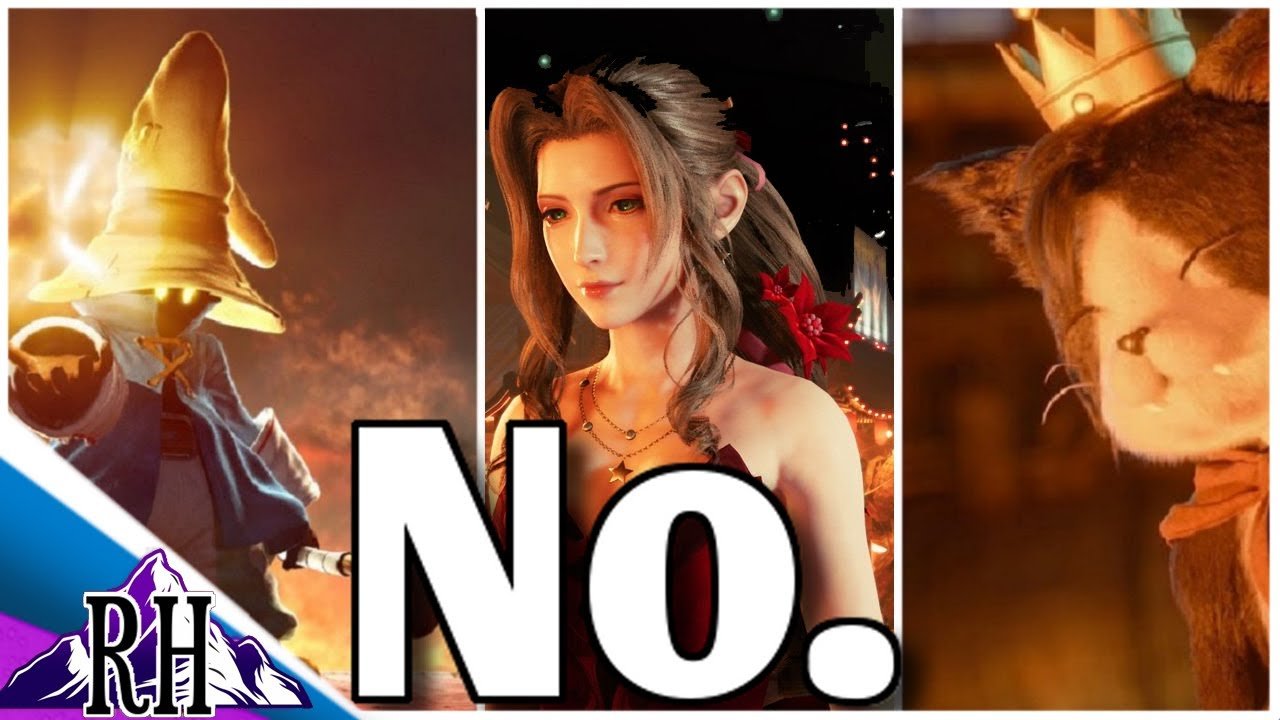
No, the main numbered entries in the Final Fantasy series are not directly connected story-wise; each features a unique world, characters, and plot.
Ever wondered if all those Final Fantasy games you’ve played actually share a deeper narrative connection? It’s a common question, isn’t it: are final fantasy games connected? The different titles with similar themes often spark this kind of curiosity.
While familiar elements like summons, spells, and even character archetypes pop up, these are mostly series staples. They do not indicate a direct link between worlds and stories. Each game stands completely on its own.

Are Final Fantasy Games Connected?
That’s the big question, isn’t it? When you see a new Final Fantasy game, with its amazing characters and incredible stories, it’s natural to wonder if it’s connected to the ones you’ve played before. Do Cloud and Tidus hang out somewhere we don’t know about? Is there a secret, giant Final Fantasy universe where all these adventures take place? The short answer is, mostly no, but the long answer is way more interesting! Let’s dive in and explore why it feels like there might be connections, and where those connections actually exist.
The Mainline Games: Separate Worlds, Similar Hearts
The core Final Fantasy series, usually noted by a number (like Final Fantasy VII or Final Fantasy XV), is largely made up of stand-alone stories. Each numbered entry introduces us to a completely new world, with new heroes, villains, magic systems, and histories. Think of them as different books in a series, but each book has its own completely unique plot and characters. You don’t need to have played Final Fantasy I to understand and love Final Fantasy XVI. They are all built on the same foundation of fantasy adventure, but the building blocks are all rearranged. Here’s a breakdown of key elements:
Independent Narratives
Each mainline game’s narrative is self-contained. You don’t need prior knowledge of any other Final Fantasy game to understand the plot. The stories are unique and have their own beginnings, middles and endings. While some themes might repeat throughout the series, they are explored through different lenses with new characters. You’ll notice that you can jump into any game and not feel lost if you haven’t played the others.
Unique World Settings
The worlds in each Final Fantasy game are diverse. From the steampunk vibe of Final Fantasy VII to the medieval setting of Final Fantasy IX or the science fiction leaning of Final Fantasy XIII. These settings are carefully crafted and have unique history, geography, and cultures that shape the stories and experiences. You might visit a vibrant city like Midgar in one game, then find yourself exploring ancient ruins in a totally different kind of place in the next.
New Cast of Characters
Each Final Fantasy game has its own specific cast of characters. You’ll meet brave heroes, cunning villains, and loyal companions. These are original characters with their own backstories, dreams and struggles. It’s the connections you make with these characters and their stories that are key to each game, not any connection to past ones. You’ll get to know these characters, understand what motivates them and follow their unique journeys.
Gameplay Variations
While the core gameplay of turn-based or action RPG often remains, each numbered entry offers different tweaks and mechanics. You may encounter different battle systems, progression paths, and world exploration methods. Sometimes it’s turn-based combat, sometimes it’s a more action-oriented approach. These variations keep the series fresh and exciting and ensure each entry feels unique.
The Recurring Themes: Familiar Faces in New Masks
While the stories and characters are mostly separate, the Final Fantasy series does have recurring themes and elements that make them feel familiar. Think of these as little nods to past games, rather than direct connections. These repeating ideas often show up in different forms, almost like a secret language that all the Final Fantasy games speak:
Crystals and Elemental Magic
Crystals, often tied to the four classical elements (earth, water, fire, wind), are a very common element in Final Fantasy games. They often hold immense power, and their role in the story can vary greatly. Sometimes they are protectors, other times they are sources of conflict. But these crystals are different in every game. The meaning, function, and even the appearance will change. It is a familiar symbol, but not a linked entity across all games.
Chocobos and Moogles
These adorable creatures are like mascots for the series. Chocobos are large, rideable birds, and Moogles are small, fluffy creatures with wings. You’ll see them in almost every game, although their role might change. Sometimes they are just part of the scenery, sometimes you can ride chocobos, or even have moogles join your party. They’re a fun and iconic element that links the games together in a light and playful way, not in a deep narrative one.
Summons/Espers/Eidolons
The power to call powerful mythical beings, be they summons, espers or eidolons, to fight alongside your party is a staple of Final Fantasy games. Beings like Shiva, Ifrit, Ramuh and Bahamut are extremely common in most of the games. These summons often share similar designs, though their exact abilities might vary from game to game. They are another familiar and comforting element that allows us to have a sense of recognition.
Common Names and Terms
You’ll often see names like Cid (a genius inventor), Biggs, Wedge (often bumbling side characters), or Gil (the in-game currency). These names and terms have become trademarks of the series. Characters and concepts that are named the same way often have a different purpose and backstory in every different world. They are not the same character across all of the games, so they’re not a concrete link, but a familiar recurring element.
Narrative Themes
Many Final Fantasy games explore similar deeper themes, like the struggle between good and evil, the corruption of power, and the importance of hope. These themes are explored with different characters and situations but they can echo throughout the series. They help give the series a cohesive feel even when the plots aren’t connected. You might notice how one theme, like the importance of friendship, is shown in a very different way each time.
Spin-offs and Sequels: Where the Threads Get Tangled
Things get a little more complicated when you move beyond the numbered entries. The Final Fantasy series has many spin-offs and sequels, which are sometimes directly connected to the numbered games. These add new depths and additional stories to specific worlds and characters we already know and love, but they don’t tie all of the main entries together.
Direct Sequels
Some numbered games have direct sequels that continue their story. For example, Final Fantasy X has Final Fantasy X-2. Final Fantasy XIII has Final Fantasy XIII-2 and Lightning Returns: Final Fantasy XIII. These sequels are part of the same narrative and should be played in order if you want to understand the full story. Characters, places, and events in these sequels are directly connected to their predecessor games. This makes them very different from other mainline games.
Spin-off Titles
Spin-off titles explore different genres, gameplay mechanics, and settings within the Final Fantasy universe. Games like Final Fantasy Tactics, Dissidia Final Fantasy, World of Final Fantasy take characters from various games and put them together in new, different, or even alternative contexts. They are usually not part of the main storyline of any numbered entry and are more like fun side stories that bring fan favorites together in new ways. These are usually in different genres as well, for example, Crisis Core: Final Fantasy VII, is an action RPG spin-off of Final Fantasy VII and Chocobo’s Mystery Dungeon: Every Buddy! is a roguelike adventure game.
The Compilation of Final Fantasy VII
Final Fantasy VII is special. Not only did it have a direct sequel in the form of the movie Advent Children, but it also spawned a large set of interconnected spin-offs, like Crisis Core, Dirge of Cerberus and others. This interconnected group of games and movies is called the Compilation of Final Fantasy VII. All these works share the same world and characters, adding depth to the story of Final Fantasy VII in different ways. However, they are only connected to Final Fantasy VII, and not to other mainline titles.
Connected Worlds Through Crossovers
Final Fantasy has occasionally dipped its toes into other universes through crossover games like Kingdom Hearts and Final Fantasy Brave Exvius. These titles bring characters from different Final Fantasy games together but are usually for special events or as a side note, and not to make the games interconnected in the main Final Fantasy series.
The “Fabula Nova Crystallis” Exception
There’s one exception to the general rule of separate worlds: the “Fabula Nova Crystallis” series. This project initially included Final Fantasy XIII, Final Fantasy XIII-2, Lightning Returns: Final Fantasy XIII, and Final Fantasy Type-0. These games all share the same mythology and cosmology, with specific gods and concepts that cross over from one game to the other. However, each game takes place in different regions or even different time periods of that shared universe. These games are still not connected to other Final Fantasy titles but are strongly connected to each other through a shared mythology. It’s a single universe explored in different ways.
So, Are They Connected?
The simple answer is no, the numbered Final Fantasy games are not connected through a single over-arching story or world. Each game is a standalone adventure with its own characters, story and world. It’s important to note, that it is a world that is distinct from each other. You don’t need to play Final Fantasy I to get the story of Final Fantasy VII or understand Final Fantasy XVI. However, they are connected by shared elements, themes, and styles. Think of them as different kinds of fairy tales, all spun from the same magical thread. They share familiar symbols, character types, and even names, making them feel like a part of something bigger. This series is connected through experience. If you are a player that grew up playing the Final Fantasy games, you may even view them like they are in a shared universe due to how many recurring elements and styles are shared across titles, even though, in reality, they are not connected through plot, or shared characters.
The spin-offs and sequels are a different story. These often directly connect to the numbered entries they originate from and help to further expand the story and lore of the worlds and characters we love. This creates a deeper level of connection between these specific entries, even if they don’t link all of the mainline games together. The Fabula Nova Crystallis series provides a unique situation where different titles are connected through a shared mythology.
So, next time you jump into a new Final Fantasy game, remember you’re entering a fresh new adventure that will stand on its own. But you also get to see how the familiar elements of the series are woven into a completely different setting. You can enjoy and appreciate each story and world on its own. That is part of the magic of the Final Fantasy series.
Are Final Fantasy Games Connected? This is Dumb!
Final Thoughts
The Final Fantasy series presents itself as primarily anthology. Each mainline entry often tells a unique story with different characters and settings. They share recurring themes like crystals and epic conflicts.
While some games feature cameos and slight references, these connections remain superficial. A true overarching narrative linking all games does not exist. Therefore, are final fantasy games connected is generally a ‘no’, offering separate experiences.

