
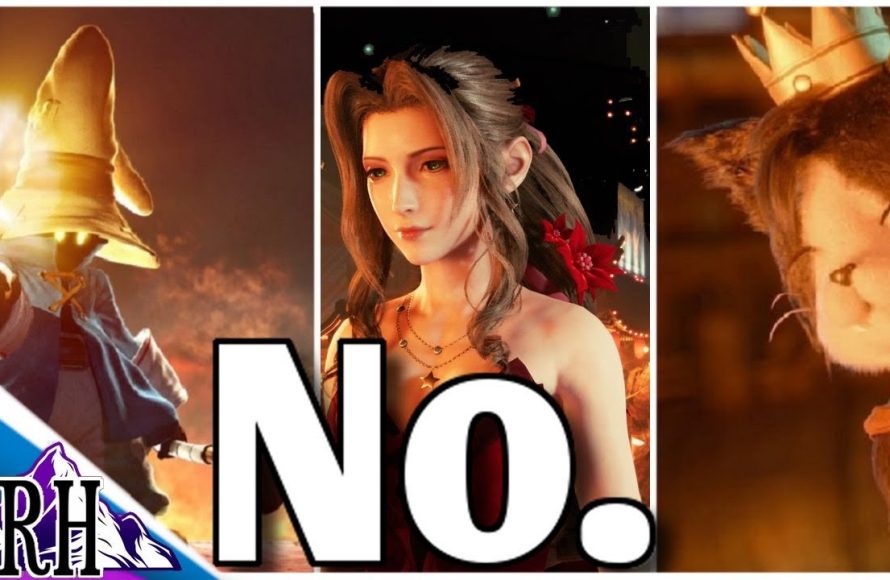
No, the main numbered Final Fantasy games are not directly related in terms of characters or storylines, though they share common elements like gameplay mechanics, monsters, and themes.
Ever found yourself wondering if Cloud and Squall are long-lost cousins? Or if the crystals in one game are the same as the ones in another? It’s a question that pops up for many newcomers and veterans alike: are final fantasy games related? The short answer is a bit more complicated than a simple yes or no, and we’re here to break it down.
While each title often exists in its own distinct world with fresh characters, certain common threads run throughout the series. You will often notice repeating monsters like Cactuar and recurring spell names like ‘Fire’ throughout different entries in the franchise.

Are Final Fantasy Games Related?
That’s a question that many people ask when they start playing the Final Fantasy series. It’s easy to get confused because each game has its own characters, stories, and worlds. Unlike some other video game series that follow one big story, like Zelda or Mario, Final Fantasy games usually stand alone. Let’s dive into why this is, and look at the cool connections that do exist, even if they are not direct story links.
The Core Concept: Anthology Series
The most important thing to know is that Final Fantasy is an anthology series. That means each game is like a new book in a collection. They share some themes and ideas, but each story is its own thing. Think of it like a collection of fairy tales. They might all have magic or princesses, but each tale has its unique characters and adventure. This is different from a series where you need to play one game to understand the next.
So, if you’re jumping into Final Fantasy X without playing Final Fantasy VII, you won’t be lost. The story, characters, and locations are completely different. This lets players jump into any game in the series that catches their eye, without worrying about missing key plot points.
Recurring Themes and Motifs
Even though the stories are different, there are some important things that connect them, like common ideas that appear again and again. These are what we call themes and motifs. Here are a few:
- Crystals: Almost every Final Fantasy game features crystals. Sometimes they power the world, other times they have a mystical connection to the story. The way crystals are used might change, but they are a familiar element.
- Summons (Eidolons/Espers): Huge, powerful beings, like Ifrit or Shiva, that characters can call into battle appear in many games. Their designs and stories might be different, but the idea of summoning powerful allies is a recurring theme.
- The Struggle Against Evil: Many games have a group of heroes fighting against a dark power that wants to control or destroy the world. This is a basic story that many of us know and like, but each game gives a unique take on the idea.
- Airships: Flying machines often make an appearance and allow for exploration of the game worlds. Sometimes they are fantastical, other times more mechanical, but they are a staple of the series.
- Character Archetypes: While character names change, you often see similar character roles like the brave warrior, the wise mage, and the sneaky thief. These are types of people that players can connect with, no matter what game they play.
- Music: The music created by Nobuo Uematsu, along with other talented composers, is very recognizable across the series. Some musical themes are reused or slightly changed in later games, giving a sense of familiarity.
Worldbuilding and Similarities in Gameplay
While the worlds are never the same, each Final Fantasy game also contains similar elements that create a cohesive experience within the series. Here’s a deeper look:
Gameplay Mechanics:
- Turn-Based Combat: Many of the earlier games and some later ones feature turn-based combat, where characters take turns attacking, using magic, and defending. This has been a core part of the series for a long time, although some more recent titles have changed to action-based combat.
- Character Jobs/Classes: Characters often have different jobs or classes that determine what they can do in battle (like a Black Mage who uses powerful magic). This allows players to customize their team to suit their style.
- Magic and Abilities: Magic, skills, and special abilities are used in every game. Though they appear in different forms, they are always central to combat and character development.
- Leveling Up: Characters get stronger by gaining experience points and leveling up. These increase their health, power and abilities.
World Design:
- Fantasy Setting: Final Fantasy games are set in worlds that are a mix of magic and technology. You may see towering castles, futuristic cities, or sprawling forests. The blend of these different elements creates a very distinctive feel.
- Diverse Environments: From snowy mountains to deserts, to underwater cities, every game has many diverse places to explore. This makes each game feel like a grand adventure.
The Subtle Connections
Sometimes, there are little hints or references that tie the games together, but they are not always obvious. These are mostly easter eggs for fans who have played many games in the series. Here are some things you might notice:
- Character Names: Characters like Cid, Biggs, and Wedge appear in multiple games, but they are usually different people with different jobs. It’s like a nod to previous games.
- Monster Designs: Some monsters or enemy types, like Cactuar or Tonberry, show up in many games, often with slight changes to their appearance or abilities.
- Story Echoes: Sometimes you will see events or story beats that feel similar to those in other Final Fantasy games. However, these similar plots are used in different settings and stories.
- Items and Spells: Spells like Fire, Ice and Cure appear frequently in the series, though they are often updated. The names are a familiar link to past games.
Different Types of “Connections”
It is helpful to think about how games are related on different levels:
Direct Sequels or Prequels:
There are a few exceptions where a game directly follows the events of another. For example:
- Final Fantasy X-2 is a direct sequel to Final Fantasy X. It continues the story of Yuna and her friends.
- Games that are part of the Final Fantasy XIII sub-series – Final Fantasy XIII-2 and Lightning Returns: Final Fantasy XIII all share the same world and main characters.
- Final Fantasy VII Remake is a reimagining and expansion of the events in Final Fantasy VII, which is a unique case of a game built on a previous entry in the series.
These are the exceptions that prove the rule. Generally, mainline Final Fantasy games are not directly connected like this.
Spiritual Successors:
Sometimes, even if not a direct sequel, a game might have similar themes or elements as a previous game. For example:
- The idea of “balance” between the world and nature that is featured in Final Fantasy V is also reflected in other games.
- The themes of political intrigue that are present in Final Fantasy XII can be seen in other entries.
Shared Universes (in Spinoffs):
Spinoff games or titles outside the main series sometimes bring characters or worlds together. For example:
- Dissidia Final Fantasy is a fighting game series where characters from various mainline Final Fantasy games battle each other.
- Some of the smaller mobile games will also bring together a wide variety of characters.
These are exceptions to the overall separation between titles. They’re a way for fans to see their favorites together even though they would never meet in the main games.
Why The Separation?
Why doesn’t Square Enix connect all the games together? Here are a few reasons:
- Creative Freedom: Keeping each game separate allows designers to create new worlds and stories without being limited by previous ones. They can explore different ideas and tell any kind of story they want.
- Fresh Start for Players: A new player can join the series at any point without needing to know the backstory of all previous games. This makes the series more approachable.
- Experimentation with Gameplay: Keeping the stories separate allows for different gameplay styles to be explored within the series. Some games are turn-based, others are action based.
- Longevity of the Franchise: By changing the stories and characters, Square Enix ensures that the series remains fresh and interesting. This helps keep the franchise going year after year.
So, Are They Related?
The short answer is no, not in terms of direct story connection for most titles. The main series of Final Fantasy games function as standalone experiences with each installment telling a brand new story. The relationship is more like that of cousins: they share DNA (the recurring themes, gameplay mechanics, and easter eggs) but lead entirely different lives. There is no central timeline to follow, and you will not be lost if you play them in any order.
It is this approach to the franchise that allows for the wide variety of game experiences that fans have come to expect. Each new title is a fresh start while retaining elements of the familiar. The lack of direct story connection between most titles does not detract from the player’s enjoyment of the games, instead, it enhances the possibilities.
Are Final Fantasy Games Connected? This is Dumb!
Final Thoughts
Ultimately, the answer to ‘are final fantasy games related’ is mostly no. Each main series title generally presents a completely separate world, characters, and stories. While recurring themes and certain creatures appear across games, they are not connected within a single continuous narrative.
Different numbered entries explore distinct mythologies and gameplay mechanics. There are, however, occasional sequels or spin-offs directly linked to specific entries. So while generally unrelated, some sub-series can exist.

