
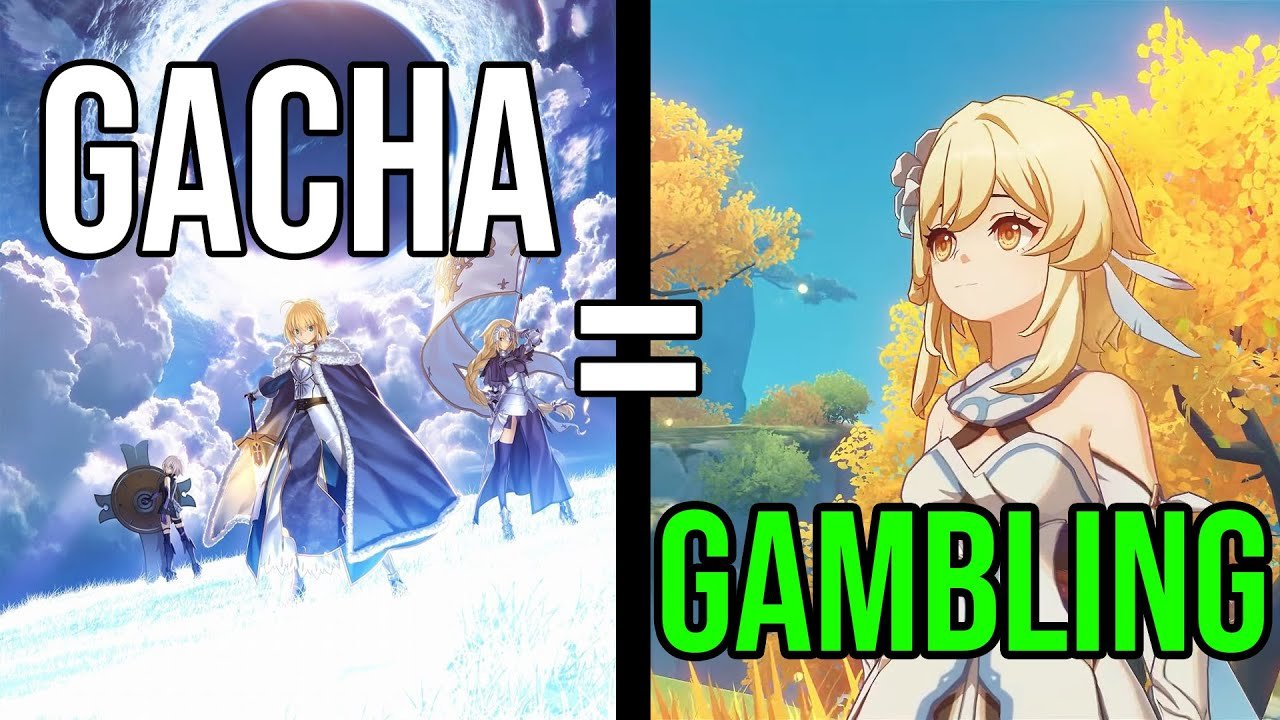
Whether gacha games are gambling is complex, as they share similarities but lack direct monetary payouts, making them a grey area under legal definitions.
The vibrant visuals and the thrill of the draw – gacha games certainly know how to capture our attention. But that begs a serious question: are gacha games gambling? The random nature of these games, where players spend money hoping for a rare digital item, feels a lot like wagering, doesn’t it? It brings up important points regarding how we define chance.
Many argue that spending on virtual loot boxes that have no real-world value cannot be considered gambling, because you are not winning any real money. However, the psychological hooks of the “pull” and the potential for spending large sums still raise concerns. This conversation is needed as these games become more popular than ever.

Are Gacha Games Gambling? Exploring the Similarities and Differences
The bright lights, the exciting sounds, and the thrill of getting something rare – gacha games sure can feel a lot like gambling. But are they really the same? This is a question many people ask, especially parents and those who worry about how these games might affect kids. Let’s dive deep and explore all the ins and outs to understand if gacha games are, in fact, gambling, and what that means for players.
Understanding Gacha Mechanics
To figure out if gacha games are gambling, we first need to understand how they work. Gacha games, at their heart, are games built around chance. In most gacha games, you use in-game currency, or sometimes real money, to buy a ‘pull’ or a ‘spin’. When you pull, you get a random item, usually a character, weapon, or other collectible. The items have different rarities, and getting a really good, rare item can be incredibly difficult. It’s this element of chance that feels very familiar to other forms of gambling, like slot machines or lotteries.
Here’s a simple breakdown:
- Currency: Players use virtual currency (or real money) to participate.
- Random Rewards: Each pull gives a random item with a varying degree of rarity.
- Low Chances, Big Rewards: The chances of getting the best items are typically very low, making them sought after and exciting to get.
- Collection Aspect: Many gacha games focus on collecting characters or items.
The Lure of the Pull
That feeling of anticipation when you’re about to do a gacha pull is a big part of what makes these games appealing. Just like hoping to hit a jackpot, the possibility of getting something amazing keeps people coming back for more. Game developers often use bright visuals, exciting sounds, and special animations to increase this feeling. They also add features that make you want to keep playing, like daily login bonuses or limited-time events with special characters you can only get for a short time.
How Gacha Games Resemble Gambling
The similarities between gacha games and traditional gambling can be quite striking. Here are some key areas where they look alike:
Random Chance and Probability
Just like when you roll dice or spin a roulette wheel, gacha games depend on random chance. You don’t know exactly what you’re going to get, and the odds of getting something special are often very small. This shared randomness is a core element in both gacha games and gambling. Both rely on the psychology of uncertainty, the potential for a large reward, and the hope for positive results. This can cause a release of dopamine, a chemical in the brain linked with pleasure and reward, which can make the experience addictive.
Spending Money for a Chance
In both gacha and gambling, you spend money (or some form of currency) with the goal of winning something of value. In gacha games, you buy in-game currency to do more pulls or spins. In traditional gambling, you put down bets at a casino or lottery. In both cases, you risk losing what you put in, with the potential of getting back a better reward. While gacha games may present themselves as a game, the underlying mechanic of risking money on a chance mirrors the financial risk associated with gambling.
Psychological Factors
Both gacha and gambling tap into the same psychological reward pathways. The unpredictable nature and the potential for a big win can trigger the brain’s reward system, making the activity incredibly engaging. Developers often use techniques such as variable reward schedules, where rewards are not given predictably, which further reinforces the repetitive behavior of pulling. This is a well-documented technique used in the design of both games and gambling to make them more engaging. The “near miss” phenomenon – when you almost get a desired item – also plays a significant role, making you think that your next attempt may be a success.
Both gacha and gambling are designed to be engaging and stimulating. They offer players a combination of visual and audio effects, creating an exciting experience. These stimulation techniques, along with the previously mentioned reward schedules and the “near miss”, play an essential part in keeping players invested. This creates an environment that’s designed to keep players engaged.
Where Gacha Games Differ From Traditional Gambling
While the similarities are clear, there are also important differences between gacha games and traditional forms of gambling. These differences are often used to make the distinction that gacha games are not gambling.
No Real-World Monetary Value
One of the biggest differences is that, generally, items won in gacha games don’t have real-world value. In a casino, if you win money, you can take it out and spend it. While some gacha games may have gray market options where you can sell your account or certain characters, this is often against the game’s terms of service, and in most cases, is not a legitimate or reliable way to convert digital items to real-world money. The items you obtain are generally bound to the game, and can’t be traded or sold for real money through official channels. This difference has been the main distinction between gacha games and gambling in most jurisdictions.
Focus on Entertainment
Gacha games primarily position themselves as a form of entertainment. They often come with engaging stories, characters, and gameplay. While the gacha mechanic might be a big part of the game, it’s not the only aspect to focus on. Players also participate for the actual gameplay, the collecting aspects, and the social interactions that come from these games. This difference in focus can often differentiate them from traditional gambling, which is based entirely on financial risk and reward.
Regulatory Landscape
Traditional gambling is heavily regulated, with rules set by authorities to protect consumers. These regulations often include age restrictions, guidelines for operating casinos, and oversight of payouts. Gacha games generally operate in a far less regulated space. While some countries have started to look at the regulatory aspects of gacha games, many don’t have specific rules in place. This difference in the regulatory landscape can impact how these games are viewed. The lack of the consumer protection regulations that traditional gambling faces are a major cause for concern with gacha games.
The Potential Risks of Gacha Games
Even though they might not be exactly gambling, gacha games do carry potential risks, especially for young people. Here are a few to consider:
Financial Risks
It’s very easy to spend a lot of money on gacha games if you’re not careful. The low chance of getting the best items can lead players to keep trying again and again, spending more and more money. This can quickly lead to financial problems, particularly for players who are still young and might not fully understand the value of money. Some players may also find themselves tempted to spend money they don’t have. This impulse is often intensified by the feeling of chasing the rare item, the hope to recoup losses, or the need to keep up with other players.
Addictive Behaviors
The random reward system can lead to addictive behavior. The uncertainty of getting what you want, coupled with the chance of getting something rare, can keep players constantly trying their luck. The sense of reward that accompanies a good pull can make the game harder to stop playing, as they can become more focused on the reward than the game itself. This can lead to players spending more time and money on gacha games, neglecting other responsibilities, and potentially experiencing withdrawal symptoms when they are not playing.
Psychological Impacts
Beyond financial risks and addictive behavior, gacha games can also have other psychological effects. The constant pursuit of rare characters can lead to disappointment when they don’t get what they want, leading to stress and anxiety. Some players experience envy when they see other people getting better items, and may feel pressured to spend more to try to catch up. For younger players, not getting rare characters or items can cause feelings of inadequacy and exclusion from social groups. These emotional factors add more dimensions to the concerns around gacha games.
Looking at Different Perspectives
The question of “are gacha games gambling” is complex because it often comes down to different interpretations and viewpoints:
The Legal Perspective
Legally, gacha games often exist in a gray area. In many countries, laws about gambling are focused on games that offer cash payouts. Since gacha games usually only provide in-game items, they often don’t fall under these laws. However, certain countries have started to regulate the sale of “loot boxes” or “random packs”, and that will impact how gacha games are handled. The legal landscape is constantly changing as lawmakers consider the potential impact of these games. These laws will have a direct influence on how gacha games evolve.
The Ethical Perspective
From an ethical viewpoint, many people argue that gacha games exploit the same psychological vulnerabilities as gambling. Even without direct cash prizes, the drive to obtain better items and the pressure to spend money could cause harm, especially to vulnerable people. From a social responsibility perspective, the ethics of game design become particularly relevant. Questions arise over how game developers should manage the addictive nature of gacha games, and whether they should have a responsibility to protect their players from potential harm.
The Player’s Perspective
Players also have very different views on gacha games. Some find them fun and exciting, and enjoy the thrill of getting rare characters or items, while others find the game mechanics predatory and potentially harmful. Some players don’t spend any money, while other spend heavily on gacha pulls. These different experiences and perceptions highlight the need to recognize the individual experiences of players in understanding how these games impact their lives.
The Parent’s Perspective
For parents, gacha games can cause great concern. The ease at which children can spend money on these games, along with the addictive nature, and the lack of clear regulations, is worrying for many parents. There is a valid fear for both financial well-being and the potential psychological impact on their children. Finding ways to monitor and discuss game spending and game choices are common challenges that parents must deal with when their children play these kinds of games.
Practical Advice for Players
If you’re a player of gacha games, here are a few tips to help you enjoy them responsibly:
- Set a Budget: Decide how much money you’re willing to spend on the game, and stick to it.
- Don’t Chase: If you don’t get what you want, resist the urge to keep spending.
- Take Breaks: Don’t play for long periods, so you won’t get burned out.
- Be Mindful: Think about why you’re playing. Are you having fun or just chasing rewards?
- Talk to Someone: If you’re finding it hard to stop, reach out for help.
Gacha games can be enjoyable, but it’s important to stay informed about their potential effects.
While they may not be defined as gambling in a legal sense in every region, the similarities are evident, and the potential impacts on players should not be overlooked. Gacha games walk a fine line, and it’s up to players, regulators, and developers to understand the mechanics of these games and act accordingly. By raising awareness of the various aspects of these games, we can empower players to make well-informed decisions and enjoy gaming more responsibly.
The REAL Cost of Gacha Games
Final Thoughts
Gacha games present mechanics similar to gambling. Players spend in-game currency or real money for random virtual items. This system creates a sense of risk and reward, closely resembling chance-based games.
The debate continues around ‘are gacha games gambling’. The core element involving spending money for uncertain outcomes is must. Whether this makes them officially gambling remains a legal and ethical discussion. Ultimately, the player must exercise caution.

