
No, game shows are not generally rigged in the sense of predetermined winners, but they do employ strategies to control outcomes.
Ever wonder about those nail-biting moments, the lucky guesses, and the seemingly impossible comebacks on your favorite game shows? The question ‘are game shows rigged’ often pops into our minds as we watch contestants navigate complex challenges. It’s natural to be curious about the inner workings of these televised competitions.
These programs operate under strict regulations and guidelines. While shows aren’t usually manipulating winners outright, they do employ techniques that influence the game’s flow. Producers may select contestants with specific personalities to create more compelling drama.

Are Game Shows Rigged?
Have you ever watched a game show and wondered if the whole thing is a big setup? Maybe you’ve seen a contestant win an unbelievable prize, or a seemingly easy question stump someone, and thought, “There’s no way that’s real!” It’s a question that’s been floating around for decades, ever since game shows first hit our screens. The truth is, the idea of game shows being “rigged” is complex, and it’s important to look at all the angles.
What Does “Rigged” Actually Mean?
Before we dive deep, let’s clarify what “rigged” means in this context. When people say a game show is rigged, they usually mean one of a few things:
- Predetermined Winners: This is the most common idea—that producers decide beforehand who will win, regardless of how they actually play the game.
- Unfair Advantages: This might involve giving certain contestants easier questions, clues, or time allowances.
- Manipulated Gameplay: Here, we are talking about producers subtly influencing how a contestant might play the game, sometimes even without the contestant realizing it. For example, giving a clue with a hand gesture.
It’s crucial to distinguish between these different scenarios. A show might not be “rigged” in the sense of having a predetermined winner, but it could still employ tactics that create a particular narrative or outcome.
The History of Game Show Scandals
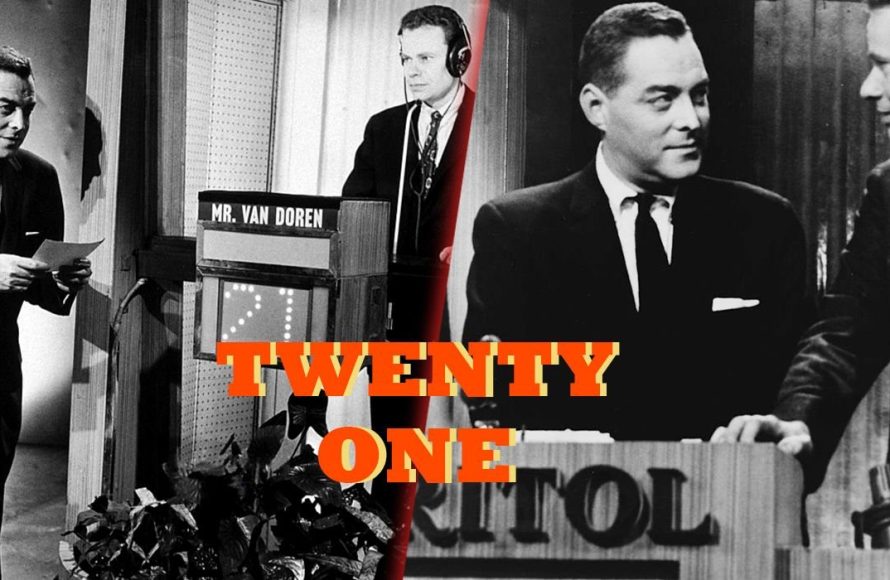
The idea of rigged game shows isn’t just a wild conspiracy theory. There’s some history behind it! Back in the 1950s, during the “Quiz Show Scandals,” popular shows like “Twenty-One” and “The $64,000 Question” were caught providing answers to certain contestants ahead of time. This revelation shocked the public and led to new regulations for the industry.
The Quiz Show Scandals
These scandals exposed a blatant disregard for fair play. Producers wanted to keep popular, charismatic contestants on the shows to maintain high ratings. They did this by feeding them the answers. This was not just a little hint; these contestants knew the answers beforehand. This made it a very unfair advantage and not a real test of knowledge. These scandals led to a dramatic drop in trust in television and impacted how shows are produced even today. Now producers are extra careful to be fair.
The Aftermath
The Quiz Show Scandals led to major changes. Congress got involved and passed laws to ensure quiz shows were fair. These changes included things like having independent third-party monitors on set and making sure contestants don’t know each other. This doesn’t mean there haven’t been other questions about fairness, but the scandals led to a different environment for game show production.
How Game Shows Are Made: The Reality Behind the Scenes
To really grasp whether game shows are rigged, it’s important to see how they are made. It’s not just about standing in front of a camera and answering questions. There’s a lot that goes into the process.
Casting
The first step is choosing the right people. Game shows want contestants that are fun, outgoing, and, ideally, good at the game. They also look for people who are compelling to watch, with interesting stories or personalities. The casting process also aims to create a mix of contestants that will work well together and produce interesting TV. Some shows even have “types” they look for, like the “underdog,” the “brainy one,” or the “charmer.” While not inherently unfair, this selection process can influence the overall feeling of the show. Shows often need contestants to agree to play a certain type or to participate in certain ways.
Question Development and Vetting
Writing good questions is a serious job. Producers need questions that are the right difficulty for the game and the type of contestants. It’s also essential the questions don’t have errors or ambiguities. Some game shows have whole teams of writers and fact checkers working on the questions.
- Difficulty Levels: Game shows create questions with different difficulty levels to make the game fair and fun. This way, the game has questions to challenge everyone, and to keep things interesting for viewers.
- Fact-Checking: Game shows do a lot of work to ensure questions are correct. They have researchers and fact-checkers who make sure all the answers are accurate. If a question was wrong, that would be very bad for the show!
While not rigged, the level of difficulty or focus of questions can be manipulated to increase the chance that certain contestants advance.
Rehearsals and Pre-Production
Before the cameras roll, a lot happens behind the scenes. Contestants are often rehearsed, particularly with the technical aspects of the show. This might include how to use the buzzer or how to approach the game board. This process helps smooth out the taping of the actual show and reduce mistakes. Producers might also give the contestants tips about how to appear on television, like how to speak and act confidently.
Editing and Post-Production
The filming of a game show is just the beginning. A lot of what you see on TV happens in the editing room. Editors can change the way events unfold. They might cut together scenes to create a particular story, or edit out awkward silences or moments that don’t make for good TV. Editing also can make a contestant appear smarter or less capable than they really are.
Here is how producers use editing:
- Creating a Narrative: Editors can take different scenes and put them together to create a story. For instance, they can focus on one contestant’s emotional journey. This process can shape our perception of each contestant.
- Shaping Perceptions: Editors might make one contestant seem like a genius by showing their correct answers and editing out the wrong ones. They might make another contestant seem less capable by focusing on their mistakes.
- Controlling Tension: Editors can create tension with cuts to close-up shots of the contestants and by controlling the music and sound. This can influence how exciting the game seems to viewers.
While editing is standard practice, it can give an impression of a narrative that was not completely true to the actual taping.
Types of “Rigging” Concerns and Common Misconceptions
Let’s take a look at some of the most common concerns and see what’s actually going on.
“The Questions Are Too Easy/Hard for Certain People”
This is a frequent complaint. Sometimes, it might look like some contestants get easy questions while others get ones that are impossible. There are a few reasons why this might occur. One reason could be the level of knowledge and experience contestants have varies widely. Also, sometimes the question writers might have made a mistake, and it might be a fluke. Game shows try to be fair and balanced but it is difficult to make the questions perfectly equal.
Another reason can be the show creators may have a story in mind. If they want someone to win, they may give them questions that favor their area of knowledge. But if the producers want that person to lose, they could make the questions unusually hard.
“The Buzzers Don’t Always Work”
Buzzers, while seemingly simple, can become the subject of many allegations of rigging. Sometimes, viewers might think that a contestant hits the buzzer first, but the show doesn’t acknowledge it. There are often specific procedures for how the buzzer systems operate. Sometimes it is a matter of milliseconds. In high-tension moments, this can seem like the system is “rigged” when it’s not.
- Technical Issues: Sometimes buzzers do have technical problems, and this can be frustrating to contestants. If a buzzer has a flaw, they might not register a hit or someone might be buzzed in when they didn’t buzz.
- Fair Play Rules: Most game shows have very strict rules about how the buzzers work. Usually the first person who buzzes in is the one who gets to answer, but the show also has to be able to verify the answer is correct.
While this system is not foolproof, the claim of “rigged buzzers” is generally due to a combination of human error, and the technical limitations of the system rather than malice.
“The Host is Helping Someone”
Hosts often develop a rapport with contestants, and some people believe this could lead to unfair advantages. However, most hosts are very careful to remain impartial. They do need to keep the game moving and keep the energy up. The role of the host is to be friendly and entertaining. Their interaction with contestants is not generally meant to be an advantage or disadvantage. The host may seem to have a favorite contestant, but usually, it’s a part of the role they play.
Hosts also need to be careful and cannot give any clues during the game. A host’s role is to manage the show according to the rules. Hosts do their best to be neutral and play the game fairly.
“They Want a Specific Person to Win”
This idea is at the heart of the “rigged” game show concern: do producers and showrunners have a favorite person they want to win. While it is very rare for anyone to actually decide who the winner is before the game starts, shows often look for people who will be good on television. Sometimes, they will look for a character type. This means they could choose to give more questions to someone that they want to advance.
- Contestant Stories: Shows often like to have people on who are easy for viewers to relate to. Sometimes they pick someone because they have a great backstory. This doesn’t mean that these contestants will always win, but these individuals might get more attention on the show.
- Show Narrative: Producers like to have a story. If they choose certain contestants, they might get to create a better story. This can mean editing the show to make it appear that the person they want to win is more capable.
While producers may like some contestants more, it is not common for them to predetermine winners. Many rules are in place to stop this from happening. This might be something that happens behind the scenes, but the majority of shows try to keep the playing field even.
Rules, Regulations, and Protections
The good news is that there are rules and regulations that are in place to keep game shows honest. After the Quiz Show Scandals, the rules were changed. Now, most game shows are very careful to make sure that they are fair. Here’s a look at some of those rules:
- Independent Monitors: Many game shows hire independent monitors to watch the show. These monitors make sure the rules are being followed and that no one is cheating. They also can verify that the questions are fair, and that the answers are correct. These monitors add a level of protection against fraud.
- Strict Rules and Guidelines: Each game show has very specific rules. The producers have to stick to these rules. If they don’t, they could face penalties, fines, or worse. Rules are usually written and carefully followed.
- Legal Oversight: Most game shows also work closely with lawyers. They make sure everything they do is legal and above board. Game shows have lawyers to ensure they’re following the rules.
These safeguards are very important because they help keep game shows trustworthy and entertaining.
The Reality: It’s More Complicated Than “Rigged” or “Not Rigged”
So, are game shows rigged? The answer is not a simple yes or no. While outright cheating and predetermined winners are rare, the process is complex. Game shows are television programs, and they’re trying to create the most engaging show possible. Producers may make decisions that subtly impact who wins, but these are often not as blatant as having a fixed outcome. Here’s a breakdown of the reality:
- Not Usually Predetermined: Most of the time, game shows do not decide the winner before the show. They follow strict rules that make a predetermined winner difficult to implement.
- Influenced, but not Fixed: However, there are many elements of the show that can influence an outcome. Things like question selection, casting decisions, editing, and even contestant interaction can all affect the flow of the game.
- A Balance of Entertainment and Fair Play: Game shows must balance being entertaining with being fair. Sometimes, the pursuit of entertainment might push the boundaries, but the majority are working hard to create a fair competition.
It’s important to remember that game shows are TV shows. They exist to entertain us, and they use all the tools available to make the most interesting show possible. While concerns about “rigging” can feel valid, the reality is often more about shaping a narrative than setting up a predetermined outcome.
What To Do If You Suspect Rigging
If you watch a game show and think that something seems amiss, here are a few things that you can do:
- Report to the FCC: If you suspect a show isn’t following the rules, you can report your concerns to the Federal Communications Commission (FCC), the government agency that regulates television.
- Research the Show: You can read articles or forums to see if anyone else has had similar questions about the show. Reading and researching can help you form your own opinion.
- Watch Critically: Be aware of how a game show edits and presents their story. Look for clues that they might be shaping a narrative.
It’s always good to watch game shows with a critical eye, and it’s important to remember that there are ways you can bring your concerns to light.
Game Show Cheats & Scandals
Final Thoughts
Ultimately, evidence suggests game shows generally aren’t rigged in a way that changes the winners. They use careful procedures and oversight. However, some believe production chooses charismatic contestants, offering them a better chance to win.
This doesn’t mean there’s explicit cheating, but selection practices could create a perceived imbalance. So, are game shows rigged? It’s more nuanced than a simple yes or no, with subtle production choices playing a role.

