
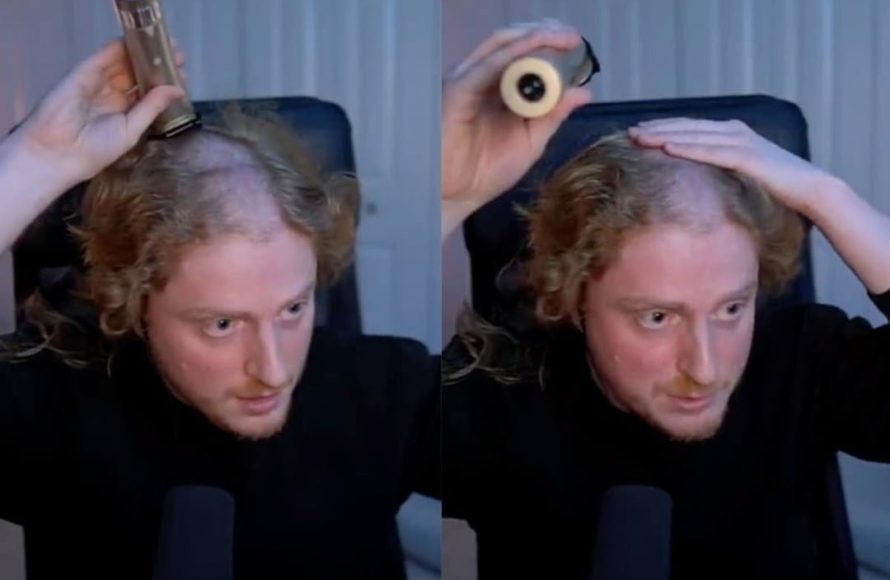
No, gamer dents are not typically permanent.
Have you ever spent hours glued to your controller or keyboard, only to notice a slight indentation on your finger or hand? This often leads to the question, are gamer dents permanent? These small marks, caused by repetitive pressure, are usually temporary. They fade over time as the skin recovers from the sustained pressure.
Typically, a short break from gaming is enough for the indentations to disappear. If they persist, perhaps consider ergonomic changes to your setup.

Are Gamer Dents Permanent?
Ever spent hours glued to your favorite game, only to notice a strange indentation on your finger or hand? You might be wondering, “Are gamer dents permanent?” It’s a question that pops up in the minds of many avid players. Let’s dive deep and see what these “gamer dents” really are, why they happen, and whether you can expect them to stick around.
What Exactly Are Gamer Dents?
Gamer dents, sometimes called controller dents or gaming calluses, are small indentations or grooves that appear on your fingers, thumbs, or palms. They develop from repetitive pressure and friction on specific areas of your hand from holding and using gaming controllers, joysticks, or even keyboards for prolonged periods. It’s the same principle as developing a callus on your hands from gripping a tool, just a bit more specific to gamers.
Think of it like this: your skin is constantly adapting to its environment. When you keep pressing down on one particular spot for a long time, the skin cells in that area respond to the stress. Over time, this response can cause slight changes in the skin’s texture and shape, leading to those noticeable little dents or grooves. It’s often more prominent after a long gaming session.
The Science Behind Gamer Dents
Our skin is made up of several layers, including the epidermis (the outer layer) and the dermis (the layer beneath). When you apply repetitive pressure, the epidermis thickens as a protective response. This thickening can lead to a slight depression where the pressure is greatest. It’s not necessarily a change deep within the layers of skin; it’s more like a compression effect on the surface.
The specific areas affected often correspond to where you grip or press down most firmly on your controller. For example:
- Thumbs: Frequent use of analog sticks or D-pads can cause dents on your thumbs, especially near the joints.
- Fingertips: Pressing buttons repeatedly may lead to indents on the tips of your fingers.
- Palms: Some gamers experience dents on their palms where they grip the sides of the controller.
The formation of gamer dents is also influenced by how hard you press, the type of material the controller is made of, and the frequency and duration of your gaming sessions. Different controllers have different shapes and textures, which affect pressure points on our hands. A harder plastic controller will likely cause more pressure than a soft rubber one.
Are Gamer Dents Permanent? The Key Question
Now, let’s tackle the central question: are gamer dents permanent? The good news is, in most cases, gamer dents are not permanent. They are usually temporary skin adaptations to sustained pressure. Once you reduce the amount of time you spend gaming or change how you hold your controller, your skin will usually return to its normal state.
Think of it like removing a dent from a soft material. If the material isn’t permanently damaged, it will slowly go back to its original form. This is what usually happens with gamer dents.
Factors Affecting the Duration of Gamer Dents
While most gamer dents will fade over time, some factors can affect how quickly they disappear, or whether they appear more noticeable.
Gaming Habits and Intensity
- Frequency of Gaming: The more hours you spend gaming each day or week, the longer the dents may take to fade. If you’re constantly putting pressure on the same spots, they don’t have time to recover.
- Duration of Sessions: Playing for long stretches without breaks can contribute to more prominent dents. Long sessions will prevent your skin from recovering during play time.
- Pressure Applied: If you’re a very intense gamer and press hard on the buttons and joysticks, you might develop deeper, more noticeable dents. Lighter touch will be better for your skin.
Type of Controller
- Controller Design: The shape, size, and material of your controller can influence the type and location of the dents. For example, controllers with sharp edges or rough textures can create more pronounced dents.
- New vs. Old Controllers: Newer controllers might have ergonomic designs that distribute pressure more evenly, reducing the chance of developing dents. Older controllers which are usually not very ergonomic may be more likely to cause dents.
Individual Skin Characteristics
- Skin Elasticity: Younger skin tends to have more elasticity, allowing it to bounce back more easily. Older skin may take longer to return to its original state.
- Skin Type: Some people have skin that is more prone to calluses or indentations, which could make gamer dents more noticeable.
When Do Gamer Dents Need Medical Attention?
Generally, gamer dents are not a cause for medical concern. However, sometimes, the repeated pressure and friction can lead to other issues. You should consider consulting a doctor or dermatologist if you experience any of the following:
- Pain: If the dents become painful or tender to the touch, it may indicate irritation or inflammation.
- Bleeding: If the skin is broken or bleeding, it’s important to treat the area to avoid infection.
- Swelling: If you notice swelling or redness around the dent, it could be a sign of an underlying problem.
- Persistent Dents: If the dents don’t seem to fade after a reasonable period of time (a few weeks), it’s worth seeking professional advice.
- Numbness or Tingling: These sensations can indicate nerve compression and should be evaluated by a medical professional.
Remember, while gamer dents themselves might not be harmful, the underlying behaviors that cause them could potentially lead to other issues. It’s always a good idea to be aware of your body’s signals and seek help when you feel something is wrong. A doctor can rule out any more serious conditions and offer personalized advice.
Preventing Gamer Dents
While gamer dents aren’t typically harmful, preventing them can be a smart move to keep your hands comfortable and healthy. Here are some effective ways to avoid these dents:
Take Regular Breaks
- Short Breaks Often: Don’t play for hours at a stretch. Take short breaks (5-10 minutes) every hour to give your hands a rest. Stand up, stretch, and walk around.
- Longer Breaks Occasionally: For longer gaming sessions, schedule in longer breaks (20-30 minutes) every 2-3 hours.
Use Proper Posture and Grip
- Relaxed Grip: Avoid gripping your controller too tightly. Try to maintain a relaxed grip to reduce pressure on your fingers and palms.
- Proper Hand Positioning: Make sure your wrists and hands are in a neutral position. Try not to bend them at extreme angles.
- Ergonomic Setup: Check your overall setup. Is your gaming chair comfortable? Is your desk at the right height? These things make a difference.
Use Hand-Friendly Accessories
- Controller Grips: Consider using soft, cushioned controller grips that can distribute pressure more evenly across your hands.
- Finger Sleeves: There are even finger sleeves available that can help cushion your fingertips.
- Ergonomic Keyboard and Mouse: If you also play games on PC, using ergonomic keyboards and mice will prevent these dents from your hands.
Hand Exercises and Stretches
- Wrist Rotation: Rotate your wrists gently to maintain flexibility.
- Finger Stretches: Extend your fingers and then gently bend them back to release tension.
- Hand Squeezes: Squeeze a soft ball or stress ball to strengthen hand muscles.
Moisturize Your Hands
- Regular Moisturizing: Keeping your hands hydrated can make them more resilient and less likely to develop dents. Apply a good moisturizer regularly, especially after gaming.
Mix Up Your Games
- Vary Gaming Styles: Try playing a variety of games that involve different types of movements, using different controllers, or even using your PC keyboard and mouse from time to time. This gives the same hand areas a rest.
Treating Existing Gamer Dents
If you’ve already developed gamer dents, don’t worry! Here’s how to help them fade faster:
Reduce Gaming Time
The most effective method is to reduce the amount of time you spend gaming or taking a break from gaming to allow the dents to disappear on their own.
Moisturize Regularly
Apply a good hand moisturizer to the affected areas. Moisturizing can help soften the skin and accelerate the healing process.
Gentle Exfoliation
You can also gently exfoliate the affected areas with a soft scrub or cloth, to help remove dead skin cells. This can speed up the natural regeneration of skin cells. But remember, be gentle and do not over exfoliate.
Warm Soaks
Soaking your hands in warm water can soften the skin and increase circulation which might help with recovery.
Hand Massage
Giving your hands a gentle massage can improve blood flow to the area, which can help reduce the appearance of dents and may feel great, as well.
Be Patient
Remember that it can take time for gamer dents to fade. Be patient and consistent with your self-care and the dents should disappear naturally.
In conclusion, gamer dents, while noticeable, are usually temporary and not a major cause for concern. The indentations are often a result of repetitive pressure on your skin while gaming. With a few simple adjustments to your gaming habits and some proactive self-care, you can minimize the appearance of these dents and keep your hands happy and healthy. Remember to listen to your body, take frequent breaks, and don’t hesitate to seek medical advice if you notice any unusual symptoms. Happy gaming, and take care of your hands!
The COST of Being a GAMER – Head Dents
Final Thoughts
The pressure from prolonged gaming sessions can indeed cause temporary dents. These indents typically fade after a few hours or a day. The underlying skin and tissues rebound, restoring their normal shape.
However, the main concern is the potential for long-term changes. Frequent and excessive pressure may, in some cases, cause more persistent marks. Whether ‘are gamer dents permanent’ depends on individual skin elasticity and gaming habits.
Therefore, the answer is generally no, most gamer dents are not permanent. However, mindful gaming and breaks can definitely prevent any lasting concerns.

