
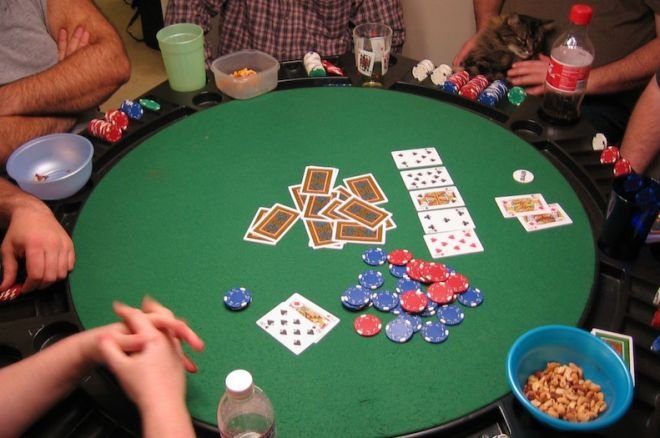
Home poker games are illegal in Texas if they involve taking a rake, operating a business, or advertising.
Are home poker games illegal in Texas? It’s a common question amongst those who enjoy a friendly card game with friends and family. The legal landscape surrounding poker in Texas can seem a bit hazy. Many wonder if their casual get-togethers might be crossing some legal lines.
It’s important to understand the specific laws and how they apply to social gatherings involving poker. This article aims to offer clarity on this topic so you can make informed decisions.

Are Home Poker Games Illegal in Texas?
Let’s dive deep into the world of Texas poker and answer the big question: are those friendly home poker games you enjoy actually breaking the law? It’s a topic that confuses many, and the rules can seem a little like a deck of cards – shuffled and unclear. But don’t worry, we’re here to lay out the facts as clearly as possible, just like dealing a hand face-up.
Texas Gambling Laws: A Look at the Basics
To understand whether your poker night is legal, we first need to peek at Texas’ gambling laws. Texas, as a state, generally has a pretty firm stance against gambling. It’s not Las Vegas here; we’re talking about a state with laws that lean towards the conservative side. The Texas Penal Code, specifically Chapter 47, is where you’ll find most of the regulations about gambling. The main thing to remember is that “gambling” as defined by the law often involves three key elements:
- Consideration: This means you have to give something of value to play (like money).
- Chance: The outcome of the game needs to depend, at least partly, on luck.
- Prize: There has to be some reward (usually money) if you win.
If all these three things are present, the game might be considered gambling, which could be a problem. Now, let’s look at how this applies to our poker games.
The “Social Gambling” Exception: Is it a Get-Out-of-Jail-Free Card?
Here’s where things get a little less clear and where many people find themselves scratching their heads. Texas law has a provision called the “social gambling” exception. This exception, found under Section 47.02(b) of the Texas Penal Code, is a way for some games, including poker, to be legal, even if they involve chance and prizes. But there are very specific criteria that a game must meet to fit this exception. It’s like having a secret recipe for legal poker, and missing even one ingredient can cause the whole thing to fall apart.
What Are the Requirements for the Social Gambling Exception?
The social gambling exception isn’t a free-for-all card to gamble however you like. It has a set of very specific requirements, and every home poker game needs to follow these to stay legal.
- Private Place: The game must be played in a private place. This means it can’t be in a public space like a park or a restaurant. It’s almost always understood that playing in someone’s home is the best option.
- No Economic Benefit: This is the big one. No one (not the host, not anyone else) can make a profit from the game except for their own winnings. This means you can’t charge a “rake” (a percentage of each pot), a fee for entry, or any other kind of charge that makes you money just for hosting. The money put into the pot is all that can be played with.
- Equal Chance: The game must be played with an equal chance for all players to win. No one player should have an unfair advantage or a higher chance to win.
- Limited Scope: The exception is intended to allow casual social games between people. It is not intended to cover professional or highly organized gambling ventures.
Let’s examine these criteria a little closer. The idea is that it should be a friendly game between friends, and no one should benefit financially from the game other than the players. It really does need to be for social fun instead of a business.
The “No Economic Benefit” Rule: The Heart of the Matter
Out of all these rules, the “no economic benefit” rule is the one that gets most people tripped up. It’s the core principle of the social gambling exception. Let’s break it down some more:
- No Rake: You cannot take a percentage of each pot as a fee or charge.
- No Entry Fee: You can’t charge players to participate in the game. Everyone should just buy in with the amount of chips they want to play with.
- No Hosting Fees: You cannot ask for compensation of any kind from players to host the game. This includes asking for contributions for things like snacks or drinks.
- No Other Profit: You cannot find any other way to make money as a result of hosting the game. The money put into the pot is for all to win.
The state of Texas wants to ensure that no one is creating a business or a profit-making endeavor from gambling. That is what they are trying to prevent. The social gambling exception is designed to allow people to have social and casual get-togethers where they play friendly games, and not something more serious. It should be about playing poker, not running a mini-casino in your living room.
Common Misconceptions About Texas Home Poker Games
There are several misunderstandings that people have about the legality of home poker games in Texas. Let’s clear up some of the biggest ones:
- “It’s okay if it’s low stakes.” This is partially true. The size of the stakes doesn’t matter as long as the other regulations are in place. You are in violation of the law the moment you do not have a no economic benefit to anyone running the game. A $5 game can still be illegal if there is some sort of profit being made by the house/host. Conversely, a higher stakes game can be legal, if the social exception criteria are all met.
- “If my friends are okay with it, it’s fine.” Unfortunately, it doesn’t matter if everyone playing is okay with the setup of the game. The law is the law, and that is what counts.
- “It’s a private home, so the law doesn’t apply.” This is also not true. Although the law requires the game to be in a private place, it does not mean all rules of the law don’t apply to private locations. The social gambling exception has its limitations.
- “Charging for food and drinks is okay.” Absolutely not. Asking your friends for a small fee for the chips, food, and beverages provided is a form of economic benefit, and therefore is a violation of the law.
The laws are very specific, and it is important to follow these requirements closely to ensure that the game is not illegal. Even if your intention is just for a friendly gathering, the state of Texas has laws that still have to be followed.
Potential Consequences of Illegal Home Poker Games in Texas
So, what happens if you don’t follow these rules? The penalties for illegal gambling in Texas can range from mild to severe, depending on the specifics of the situation. Let’s go through some of the possibilities.
Misdemeanor Charges
At the lower end of the spectrum, operating an illegal gambling business can result in a Class C misdemeanor. This is the type of violation that might come with a fine, but usually no jail time. However, the consequences can scale quickly with additional violations and repeat offenses.
More Serious Charges
If the gambling operation is more organized or large, or involves higher amounts of money or other illegal activities, the charges can become much more serious. You could be facing Class A misdemeanors or even felony charges. These could lead to more significant fines and possibly jail time.
Other Potential Issues
Besides legal consequences, there can be some other, less formal impacts from hosting an illegal poker game. These could include:
- Reputational Damage: If you’re caught operating an illegal game, you might end up with damage to your reputation in the community.
- Loss of Trust: Your friends and acquaintances might not feel comfortable playing with you in the future if they know your game is operating outside the law.
- Legal Fees: If you are charged with an illegal gambling operation, even if you are not convicted, you might end up paying lots of money to a lawyer defending yourself.
It’s really important to make sure you’re following all the rules so you don’t find yourself in a tough legal situation. The cost of having a fun poker night can be way more than you expect if you’re not careful.
Best Practices for Running a Legal Home Poker Game in Texas
Now that we’ve discussed the rules and the pitfalls, let’s talk about some guidelines for staying within the bounds of the law. This way, you can enjoy your poker games without any unwanted legal trouble.
Follow the Rules Closely
The most obvious step is to make sure you meet all the guidelines laid out by the social gambling exception. Here’s a quick checklist:
- Private Location: Keep the game in a private location, such as your house.
- No Rake: Absolutely do not charge any sort of rake from the pot.
- No Entry Fee: No charging players to enter the game.
- No Other Profit: Do not charge in any other way to benefit from the game besides your own winnings.
Keep it Small and Casual
Texas law is really targeting games that are meant to be a business. Keep your game a low-key gathering among friends, not a commercial operation. It really helps to keep things casual and low-stakes.
Be Careful About Advertising
It’s probably best to not publicly advertise your poker game. Keep it among your friends and close acquaintances. Avoid posting about it on social media or other public places. The more private you keep your game, the less likely it is that unwanted eyes might be looking your way.
Be Aware of Your Local Law Enforcement
Be aware that interpretations and enforcement of gambling laws may vary in different counties and localities. What is okay with one sheriff might not be ok with another. You should be aware of how your local law enforcement deals with such matters.
Consider a “Potluck” Setup
To avoid any perception of taking any sort of fee for snacks, drinks, etc., consider making it a potluck instead. Encourage players to bring their own snacks and drinks to share. This way, you do not appear to be receiving compensation for providing those items.
Have a Designated Point Person
Appoint one or two people to help organize, and make sure they fully understand the rules so you don’t have any problems. Having someone who’s well-versed in the rules can help the game stay within legal bounds.
When to Seek Legal Advice
If you’re still confused about the regulations, it may be a good idea to talk with a lawyer or someone who is an expert in this particular field of law. The laws can sometimes be tricky, and getting expert advice might give you the clarity and certainty you require. This is especially true if your poker games have become more frequent, organized or have higher stakes.
Always remember, it’s better to be careful and follow the rules, than risk dealing with legal issues later. Following the above guidelines will really help keep your games within the law, and be able to enjoy them.
In summary, while Texas law does allow for social poker games under certain specific guidelines, it is very important to understand the limitations. Make sure you are following all the laws closely so that your home poker games are fun and not problematic. Understanding the social gambling exception, and following the best practices mentioned here, will help you host your poker nights legally and worry-free.
Secret Behind Legal Poker Rooms
Final Thoughts
In Texas, the legality of home poker games remains a gray area. The law focuses on commercial gambling and profit, not casual games among friends. If no one profits beyond their winnings, and the game is purely social, it generally avoids legal issues.
However, Texas law can be interpreted differently, so caution is advised. ‘are home poker games illegal in texas’ hinges greatly on how the game operates. Consult with a legal professional for specific advice.

