
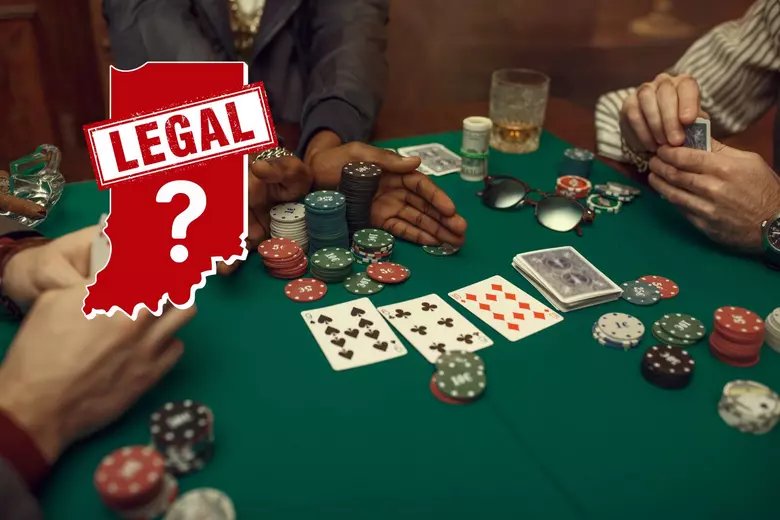
Generally, home poker games are legal as long as they don’t involve a “rake” or profit for the host and comply with local laws concerning gambling.
Navigating the world of friendly card games can feel tricky. Many people wonder, are home poker games legal? The laws surrounding this topic vary considerably by location. It’s essential to understand the specific regulations in your area.
This simple query often leads to confusion, making it crucial to know the basics. You want to avoid accidental run-ins with the law. Therefore, it’s important to understand the nuances.

Are Home Poker Games Legal? Navigating the Rules of Friendly Card Games
So, you love the thrill of a good poker game, the clatter of chips, and the friendly competition with your buddies. But sometimes, a question pops into your mind: is this even legal? It’s a common worry, and understanding the laws around home poker games can be a bit like trying to figure out a complex hand of Texas Hold ’em. Let’s break down the rules so you can enjoy your next game without any legal headaches.
The Basics: What Makes a Poker Game Legal or Illegal?
The legality of a home poker game usually hinges on a few key things. It’s not as simple as just playing cards with friends. Laws often focus on the following factors:
The “Social” Aspect
The first big factor is whether your game is truly “social.” In most places, the law looks kindly on friends getting together for a casual game. Think of it like having a board game night, but with cards and chips. If it’s primarily a friendly gathering amongst familiar faces, and the focus isn’t on making a profit, you’re usually in the clear. The law generally views this differently than a commercial casino or a public game.
- Key element: The focus is fun and camaraderie, not professional gambling.
- Example: A regular Friday night game with your college buddies where you all know each other and split the pot at the end.
The Stakes: Is Money Involved?
Money is where things can get a little tricky. Most laws make a distinction based on how much money is at stake. Playing for pennies or very small amounts is usually tolerated, as it’s seen as part of the social aspect and not a serious gambling endeavor. However, when the stakes become significant, it can raise concerns about potential illegal gambling.
- Low Stakes: Small change or nominal buy-ins are generally okay.
- High Stakes: Substantial amounts of money can attract legal attention.
- The “Prize”: The size of the overall pot and the prize is a significant factor in determining legality.
The House: Who Benefits?
A crucial point is whether someone is acting as the “house” and taking a cut of the pot. If a player or organizer profits from the game besides playing, it can quickly shift the game into illegal territory. A “house cut,” a fee for the use of a location, or any arrangement that allows someone to benefit in a consistent way can make the game illegal. This is because many laws are designed to regulate professional gambling operations.
- No “House” Advantage: All of the money goes back to the players as winnings.
- “Rake” or Cut: If the host takes a percentage, it moves into potential unlawful activity.
- Example: If you are taking 10% of every pot to cover the cost of snacks and drinks then you are acting like a house.
The Location: Private vs. Public
Home poker games are generally considered more acceptable in the eyes of the law than games in public locations. A private home is viewed differently than a public space or even a rented space because of privacy and limited access. Public games usually need permits or have specific legalities. The laws typically distinguish between a private residence where friends are gathering and a more public or commercially motivated poker event.
- Private Residence: Typically allowed if other conditions are met
- Public Locations: Can be illegal without appropriate permitting.
State Laws: The Patchwork of Rules Across the US
Here’s where it gets a bit complicated. The legality of home poker games is not determined at the federal level in the United States. It’s up to each individual state to make its own rules. What’s legal in one state might be against the law in another. This patchwork of state laws can make it difficult to know for sure if your friendly game is legal. Below, we’ll cover how certain states handle such situations:
Understanding “Gambling” Definitions
Each state has its own specific definition of what constitutes “gambling.” These definitions often vary regarding the element of skill vs. chance. A game of poker, for example, has elements of both skill and chance. Some states might have a threshold for how much chance is involved before it’s considered illegal gambling. This distinction can impact the legality of poker games.
- Skill vs Chance: Some states require the game to be predominately a game of skill to be lawful.
- “Illegal Gambling:” This is not universally defined, so it’s important to know your local law.
“Social Gambling” Exceptions
Many states have a specific exception for what they call “social gambling.” This exception is how home poker games can often operate within the law. These laws are written so that people who have a casual game for fun are not criminalized like an illegal casino operation. However, even with a “social gambling” exception, states usually have very specific rules about limits on stakes and requirements that no one profits from the game, outside of the winnings.
- Not a Universal Exception: Not all states offer this exception, check your local laws.
- Conditions apply: Even when a state has a “social gambling” exception, that doesn’t mean you can do whatever you want. Often there are limitations to keep you within the exception.
Examples of State Variations
Let’s look at how a few different states handle home poker games, to give you an idea of how much the laws can differ.
State 1 (Example): Lenient Stance
In this imaginary state, the law is fairly relaxed. Social poker games among friends in private residences are legal, as long as no one acts as the house, takes a cut, or makes a profit outside of winnings. The state defines gambling as only an activity where there is no skill involved. The state also has no restriction on the size of the stakes.
- Home games legal in private places
- No house advantage allowed
- Skill is a significant factor in this definition of gambling.
- No restriction on amount of stakes
State 2 (Example): Moderate Stance
This state allows social games, but the regulations are more detailed. There is a limit on how much money can be at stake, with specific limits on the buy-ins and the total size of the pot. A person needs to be licensed or registered to take any kind of house cut. There might also be specific restrictions on the time or the frequency of home poker games.
- Home games allowed with limitations.
- Stakes are limited by law.
- Rake or house cut is illegal unless properly licensed.
- Time or frequency limitations are imposed by the state.
State 3 (Example): Strict Stance
This state has stricter gambling laws. The state does not allow any gambling activity except in specifically licensed casinos or racetracks. Any home poker game with money at stake might be considered unlawful gambling and punishable by fine or other penalties.
- Home games are illegal if money changes hands.
- Gambling can only happen at specific, licensed establishments.
Important Note: These are simplified examples. Actual state laws can be far more complex. It’s crucial to know the rules of your specific state. You can usually check on your state’s website to find specific language in the law.
Navigating the Grey Areas
Even with an understanding of general principles and examples of different state laws, certain scenarios may still fall into a grey area. What happens if your friends pool money to purchase food or drinks for the game? If there’s a small “pot” that’s used to buy new chips or cards, is that considered an illegal cut? Let’s examine a few of these grey areas in more detail.
Expenses and Shared Costs
It’s common for poker nights to involve food, drinks, and other supplies. However, how the costs are divided can sometimes become a gray area. In general, if everyone chips in equally to purchase shared food or supplies and no one is making a profit from those contributions, it is not considered an illegal activity. However, if someone overcharges for these items or is marking them up, this may raise suspicion of an illegal “house cut”.
- Equal Cost Sharing: If all participants contribute equally to cover reasonable expenses, this is usually acceptable.
- Profit from Expenses: A game may be considered illegal if someone profits from selling expenses to participants.
Charitable Games
Many people might try to host a poker game for a charitable cause. While it sounds like a good thing, it usually requires a specific permit to be legal. Even if you do not profit from the game, the fact that a charity may benefit from the game, is still considered illegal without a permit. It’s critical to research your state’s laws regarding charitable gambling before considering such an event.
- Permits are Required: Usually a state or local permit is needed for any gambling that involves money going to a charity.
- Consult a Professional: If you have questions, speak with legal counsel regarding the specifics of running a charitable gambling event.
Online Poker Games
While the primary focus of this discussion is on in-person home games, it is important to note how online poker games may be impacted by state law. Most states that regulate online gaming treat it very differently than face-to-face gambling with friends. Even though players may be in the same area or even the same house, the fact that the gaming is taking place online means that different rules and regulations apply.
- Online rules are different: Laws may restrict where players may be located while playing online.
- Legality varies: Many states have different rules or requirements regarding online gaming.
Practical Tips for Legal Home Poker Games
Now that you have an understanding of how the law works with home poker games, let’s talk about some strategies you can use to make sure your game is on the right side of the law:
Keep Stakes Reasonable
One of the best ways to stay within legal boundaries is to keep the stakes modest. Playing for low stakes is more likely to be viewed as social gambling rather than a more significant gambling operation.
- Small Buy-ins: Keep buy-ins at a reasonable level to limit your risk of violating the law.
- Avoid Large Payouts: Large pots or payouts can attract unwanted attention.
Avoid Being the House
If you are taking a cut or a rake of the game, it’s more likely the game will be considered illegal. Even if you are using that money to pay for snacks or drinks, this action may be seen as an illegal “house cut.”
- No “House” Advantage: The only money that changes hands should be the winnings from the game.
- Don’t Take a Rake: Don’t take a cut from each pot.
Keep it Private and Among Friends
The social context matters. Limit your game to close friends or relatives in your home. Avoid promoting it publicly, because you may be seen as running an illegal gambling operation if you have people come who are not your close friends or relatives.
- Invite Close Friends: Keeping your games among a familiar group can help keep it within the bounds of the law.
- Don’t advertise: Avoid advertising on social media or inviting strangers.
Check Your State and Local Laws
The most important thing you can do is research your specific state and local laws. These laws are available on state government websites, and most will have a searchable system.
- Do the Research: You need to know your state law to ensure compliance.
- Legal Counsel: If you have any doubts, consider speaking with an attorney in your area about what the local rules are.
Be Aware of the Consequences
Keep in mind that operating an illegal gambling operation can have serious consequences, including fines, penalties, and even jail time. By taking the time to understand the rules and regulations in your area, you can avoid these serious penalties.
The world of poker laws can seem like a complicated game, but by understanding the basics, and the laws in your jurisdiction you can generally avoid problems. By keeping your home games within the bounds of social gambling, being aware of the stakes, and avoiding operating as the house, you can most often have a fun, legally compliant game. This is not legal advice. If you have any concerns, it is best to consult an attorney or legal professional about your specific situation.
Secret Behind Legal Poker Rooms
Final Thoughts
Generally, home poker games operate within a legal gray area. Many jurisdictions permit social gambling, so long as it does not involve taking a rake or profiting beyond winnings. Laws regarding gambling vary significantly by region and even local ordinances.
It is always best to check your specific local and state regulations before organizing or participating in a home game. The question, “are home poker games legal?” is a complex one, with the answer depending entirely on where you are.

