
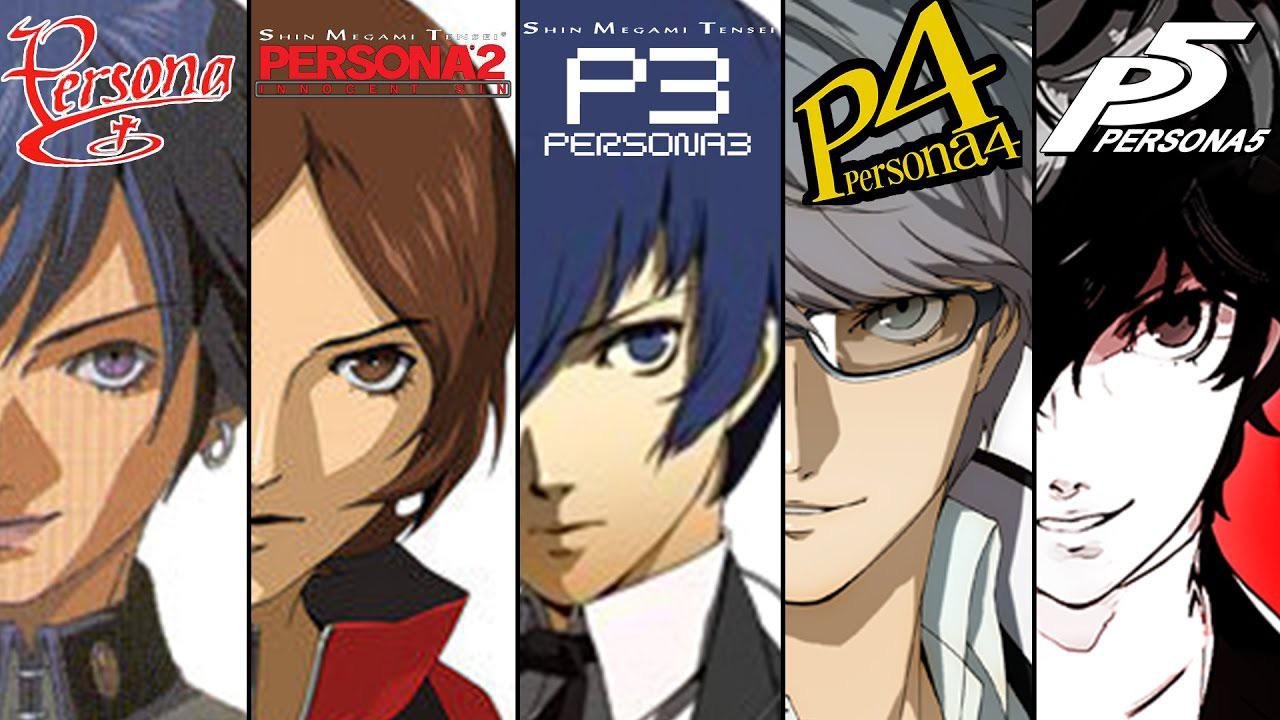
No, while sharing recurring themes, characters, and gameplay mechanics, the Persona games are not directly connected in terms of a singular, overarching story.
Ever felt a pull towards the stylish world of Persona, wondering if the stories intertwine? It’s easy to get caught up in the recurring faces and familiar gameplay. So, are Persona games connected? Many new players wonder this, and it’s a fair question.
Each numbered entry presents a largely self-contained narrative. While small nods and cameos exist, it’s best to see them as separate tales with shared DNA. This allows players to jump in at any point.

Are Persona Games Connected? Unraveling the Threads of the Persona Universe
The world of Persona games is full of cool characters, exciting stories, and, of course, those awesome Personas! But have you ever stopped to wonder if all these games are actually connected? Are they just different stories with similar ideas, or is there something more going on? It’s a question many fans ask, and it’s a fun one to explore. So, let’s dive into the different Persona games and see if we can find the threads that tie them together.
The Core Concepts: What Makes a Persona Game?
Before we dig into specific connections, it’s important to understand what makes a game a “Persona” game. All Persona games have a few key things in common. These shared concepts are like the building blocks of each title, and understanding them helps us see how the games might relate to each other.
The Persona System
At the heart of each Persona game is the Persona system. This is where characters summon powerful beings, called Personas, which are like masks of their inner selves. These Personas are based on figures from mythology, folklore, and history, and they give characters special powers. Think of it like each character having a super-powered friend that only they can see and use. The process of fusing Personas to create new, more powerful ones is a staple in the series. This core mechanic is consistent across every mainline Persona title, giving a solid foundation for potential connections.
The Social Link System
Another big part of Persona games is the Social Link system (or Confidant system in Persona 5). This is where you make friends and build relationships with other characters. As your friendships grow, you learn more about them and even get stronger powers. These social interactions are also important for unlocking new Personas and advancing the story. This system not only builds stronger characters but also brings the world to life, making it more engaging and personal. It’s a feature that defines the blend of RPG and social simulation the series is known for.
The Velvet Room
Every Persona game features a mysterious place called the Velvet Room. This room exists outside of normal reality and is usually run by a unique character (like Igor) and his assistants. It’s where the protagonist goes to manage their Personas, fuse new ones, and learn about their abilities. The Velvet Room and its inhabitants often offer cryptic advice, hinting at deeper meanings within the story and sometimes pointing towards an overarching narrative. While the room’s appearance and attendants change from game to game, its core purpose remains the same, suggesting a hidden consistency within the series.
The Themes of the Human Psyche
Persona games often delve into themes of the human psyche, exploring concepts like Jungian psychology and the collective unconscious. They investigate how people deal with their inner conflicts, social pressures, and existential questions. Each game has its own specific focus, such as confronting societal apathy or dealing with grief. However, they are all ultimately concerned with personal growth and the challenges of navigating the complex landscape of human emotions. This thematic consistency, even while each game presents unique challenges, helps create a feeling of connectedness across the series.
Mainline Persona Games: A Closer Look
Now, let’s zoom in on the main Persona games. These are the games that usually come to mind when people talk about the series: Persona 3, Persona 4, and Persona 5. Let’s see how they relate to each other, or don’t.
Persona 3: The Beginning of Modern Persona
Persona 3 marked a turning point in the series with its darker tone and focus on confronting mortality. It introduced the Social Link system, which has become a staple of the franchise. The story revolves around a group of high school students who can enter the Dark Hour, a hidden time between one day and the next, and fight shadows. While there aren’t direct connections to Persona 4 or 5 in terms of character interactions, some very subtle hints exist, usually in the form of item descriptions or obscure dialogs. The core gameplay and themes laid out in Persona 3 became the template for future games.
Key Elements of Persona 3:
- Focus on Death and Acceptance
- Introduction of the Social Link System
- The Mysterious Dark Hour
- Use of Guns as a Weapon Type
Persona 4: The Small Town Mystery
Persona 4 takes place in the quiet town of Inaba, where a series of mysterious murders occur. The game is known for its bright colors, cheerful characters, and whodunit plot. In Persona 4, the heroes enter the world inside of a TV to find out who the culprit is behind the murders, while also using the power of Persona to defeat shadows. While it doesn’t have many direct, obvious links to Persona 3, many of the social links in the game allude to an earlier event. Persona 4 also continues and builds upon systems introduced in Persona 3, making it a natural evolution of the series. The core themes of self-discovery and confronting your “true self” remain strong, contributing to the overall consistency of the franchise.
Key Elements of Persona 4:
- Mystery and Investigation
- The World Inside the TV
- Focus on Accepting Oneself
- Building Strong Bonds
Persona 5: The Phantom Thieves Rise
Persona 5 has a more stylish aesthetic and a storyline centered around a group of rebellious teenagers known as the Phantom Thieves. This game tackles themes of societal oppression and the struggle for freedom. The Phantom Thieves use their Personas to enter “Palaces” which are manifestations of corrupt individuals’ desires, and change the hearts of these adults to help make the world a better place. While there aren’t any significant character crossover appearances, there are some very small items and dialogs in the game that reference events from earlier in the series. The game has its own unique flair, it retains the familiar Persona gameplay loop and thematic focus, making it clear that it still belongs to the same franchise family as Persona 3 and 4.
Key Elements of Persona 5:
- Rebellion and Freedom
- Stylish Graphics and UI
- The Palaces and Mementos
- Changing the Hearts of Others
Spin-Offs and Their Place in the Puzzle
Besides the mainline games, there are also several spin-off titles. These spin-offs offer different gameplay styles but still often incorporate characters and themes from the mainline games. This raises another question: Do they shed any further light on the interconnectedness of the series?
Persona Q and Persona Q2: Crossover Fun
Persona Q and Persona Q2 are unique because they bring characters from Persona 3, 4, and 5 together. This is a dream for fans who wanted to see their favorite heroes from different games interact. However, these games exist in their own separate universe, so their impact on the connection between the main games is limited. These games are more about having a fun crossover adventure than solidifying a common narrative. It’s like a big, exciting “what if?” scenario, using the core mechanics and characterization of each game while building a distinct, self-contained narrative.
Persona Dancing Games: Rhythm and Style
The Persona dancing games feature characters from the mainline games in music-based adventures. While these games are a fun way to see the characters in a different light, they don’t contribute much to the overall connection between storylines. They are mainly a celebration of the music and characters from the series. Think of these games as a fun party where everyone from the different Persona groups comes together to dance; they don’t do much to impact the existing stories from the main games.
Persona Arena Fighting Games: Battle of Fates
The Arena fighting games do provide some new story content, but they don’t really tie the main stories together very tightly. These games tend to focus on character-specific narratives or offer a bridge to subsequent games in the series, rather than exploring direct connections across all titles. They do, however, highlight the potential for the characters’ paths to cross, even if they don’t exist in a unified world. Some Arena games have hinted at the possibility of a hidden power that connects the world of the Persona games together, but nothing concrete has come out from these games yet.
The Case for Connection: Subtle Hints and Themes
So, if most games don’t feature direct crossover appearances, what evidence can we find that they are connected? While most connections between the games are very subtle, they do exist.
The Collective Unconscious
The core concept of the Collective Unconscious, where all human thoughts and emotions are stored, remains consistent in every game. This idea is a cornerstone of Jungian psychology, which is a key theme in the Persona series. The existence of this shared mental space could explain why Personas based on the same mythological figures appear across different games. It hints that all the main games may exist in the same overarching universe, with each game highlighting different facets of it. Even if specific events do not carry over directly, these consistent themes create a sense of connection.
Shared Mythology and Symbolism
Many of the Personas used by characters are based on the same mythological figures. For example, characters in different games might summon the same Persona, just with different designs and abilities, This reinforces the idea of a shared source of power, something that exists across all Persona games and is not exclusive to any particular game or setting. It implies a single underlying power source in all games.
Recurring Characters (in a different way)
While characters don’t usually jump from one game to another, there are some cases where characters have appeared in spin-offs or made subtle appearances in a very small way. Elizabeth from the Velvet Room is one of the most common example, who is seen and alluded to in several different games. These recurring characters might just be symbolic, however, they may be hinting at a higher power controlling the events of each game. Even though it’s not a crossover in the traditional sense, the appearance of similar, yet different, individuals hints that all games may exist within a single multiverse or timeline.
The Theme of Personal Growth
Ultimately, all Persona games are about the personal journey of the protagonist and the development of their bonds with others. Even if the stories are different, the focus on the growth of the protagonist as a person, and their journey to overcome challenges with the help of their friends, remains the same. This common goal of inner growth creates a strong thematic link, suggesting that each Persona game is just another tale in the ongoing struggle of humans to understand themselves.
The Ambiguous Nature of Connection
It is important to note that the connections are often subtle, and not always direct. The Persona series appears to be intentionally vague about the extent of any connections. This ambiguity is likely on purpose, allowing players to enjoy each game as a unique experience while also giving room for the idea that they are somehow connected. It gives both new and veteran players a reason to keep playing the games to try and find all the hidden connections.
So, are Persona games connected? The answer isn’t a simple yes or no. They share common concepts, themes, and even some subtle hints. While each game provides its own unique story, they share an underlying consistency that brings them together. Whether they all exist in a single, unified timeline, or in a multiverse of connected but parallel realities, is something fans will continue to debate. The real strength of the Persona franchise is not in explicit connections but in the common human experiences that are explored in every game. These common themes and experiences bring the games together and give them a deeper meaning.
Persona's Shared Universe Timeline (feat. @Macca) | A Line Through Time
Final Thoughts
Ultimately, the connections between Persona games remain subtle. Recurring themes, certain character archetypes, and the ever-present Velvet Room must suggest a shared universe. However, each narrative remains self-contained, allowing for unique experiences.
Direct plot continuations are rare, making explicit links minimal. Players can enjoy each entry without needing prior knowledge. So, are persona games connected? They share a spirit, more than concrete story ties.

