
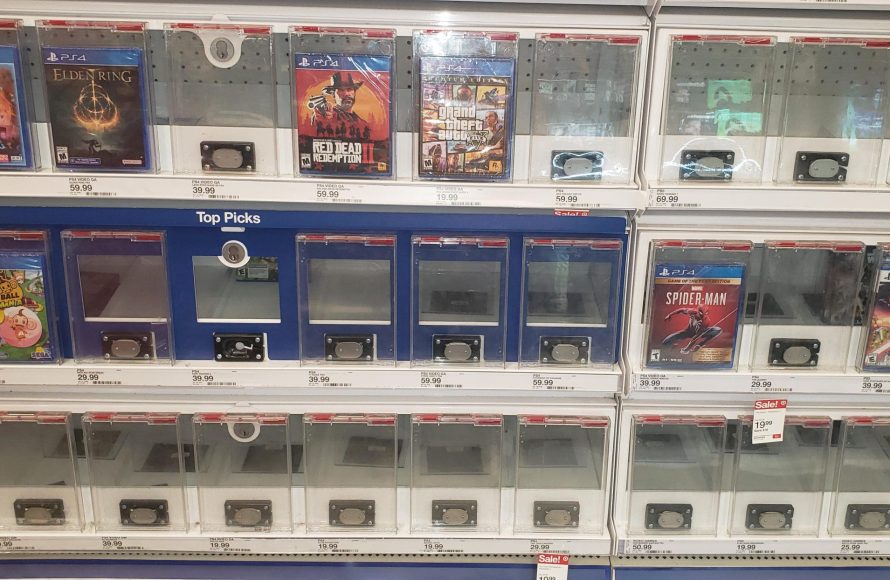
No, physical games are not dying; they are evolving alongside digital alternatives.
Are physical games dying? That’s a question many people ask as screens dominate our free time. It’s easy to see the rise of digital gaming and assume physical forms are fading, but that’s not the complete story.
Board games, sports, and outdoor activities still hold a strong appeal. People enjoy the social interaction and tangible experiences they provide. While digital games offer convenience, physical games create different types of fun and engagement.

Are Physical Games Dying?
It’s a question that pops up more and more these days: are physical games, the kind where you run, jump, and play with actual things, fading away? We see kids glued to screens, playing video games and watching videos, and it’s easy to wonder if the good old days of tag and hide-and-seek are becoming just memories. Let’s dive into this big question and see what’s really going on.
The Rise of the Digital World
The world we live in is changing quickly. We have smartphones, tablets, and video game consoles everywhere. These gadgets offer fantastic ways to play, learn, and connect with others. Kids, in particular, are drawn to these digital worlds. Why?
Instant Gratification: Video games often provide immediate rewards, like leveling up or getting a high score. It’s a feeling that can be very exciting.
Variety: There’s a game for just about every interest, from racing cars to building kingdoms. This keeps things fresh and fun.
Social Connection: Many online games let kids play with their friends, even if they’re not in the same room. This is an excellent way to connect with people.
Accessibility: You can play video games almost anywhere, anytime, without needing a big playground or a group of friends around.
Engaging Storylines: Many games have captivating stories and characters that pull players into their world. These can be as immersive as a favorite book or movie.
This digital boom has certainly changed how kids play, and it’s made some people worry about the future of physical games.
What Exactly Are Physical Games?
Before we go further, let’s make sure we know what we mean by “physical games.” These are games that involve moving your body and interacting with the real world. Some examples include:
Classic Outdoor Games: Tag, hide-and-seek, hopscotch, kickball, capture the flag.
Sports: Soccer, basketball, baseball, swimming, tennis.
Board Games & Card Games: These often involve movement and real world interaction with physical game pieces.
Imaginative Play: Building forts, playing pretend, having tea parties.
These games are great for more than just fun. They help kids get exercise, develop important skills, and socialize.
The Importance of Physical Play
Physical play is a crucial part of growing up. It helps in a lot of ways.
Physical Health Benefits
Keeps you active: Running around helps your heart and muscles get strong. It also helps prevent health problems like obesity.
Develops coordination: Games like tag and basketball require coordination and help kids improve their motor skills.
Improves balance: Jumping, skipping, and hopping in physical games helps with balance and stability.
Builds strength and endurance: Playing sports and other physical games builds up strength and stamina.
Mental Health Benefits
Reduces stress: Moving your body releases endorphins, which can make you feel happier and calmer.
Boosts mood: Playing outside and being active is a great way to improve your overall mood and well-being.
Improves focus and concentration: Physical activity can help kids concentrate better in school and other areas of their lives.
Helps with confidence: Successfully completing a challenge in a physical game helps boost a child’s self-esteem and confidence.
Social and Emotional Benefits
Learning to share and take turns: Physical games often involve taking turns, learning how to cooperate and respecting rules.
Teamwork: Team sports and group games teach kids how to work together towards a common goal.
Communication: Talking with teammates and opponents helps kids develop important communication skills.
Problem solving: Navigating game situations and coming up with strategies helps with problem-solving.
Building Friendships: Many physical games provide opportunities for kids to connect and bond with their peers.
Are Physical Games Really Declining?
So, are physical games actually dying out? The short answer is: it’s complicated. It’s true that kids spend more time using screens now than they did in the past, but that doesn’t mean physical games have vanished.
The Challenges Physical Games Face
Safety concerns: Parents might worry about kids playing unsupervised outside due to traffic or other dangers. This can lead them to limit outdoor play.
Busy schedules: Kids often have packed schedules with school, homework, and extracurricular activities, leaving less time for free play.
Lack of safe play spaces: Not every neighborhood has access to safe and well-maintained parks and playgrounds.
Technology’s Pull: The many options available on screens can be more enticing for some kids than physical activity.
Screen time recommendations: Some families feel that they should keep screen time at low levels, this may affect how much time they spend in digital world, which could increase time spend on physical activity.
Signs that Physical Games Are Still Alive
Organized Sports: Many kids still participate in sports like soccer, baseball, basketball and swimming. These are some of the most popular and still involve a lot of physical activity and human connection.
School Recess: Recess still exists in many schools, providing dedicated time for kids to play and interact physically.
Family Activities: Families are still going for hikes, bike rides and playing games in their backyards or parks.
Community Events: Local events, like street fairs and neighborhood festivals, often include physical games and activities.
Parks and Playgrounds: Despite some challenges, parks and playgrounds are still important places for kids to play and be active.
The Changing Landscape of Play
Maybe it’s not about games “dying,” but about how play is changing.
The Role of Technology in Physical Play
Technology isn’t necessarily the enemy of physical games. In fact, it can sometimes be an ally.
Geocaching: This outdoor treasure hunting game uses GPS coordinates to guide you to hidden caches. It gets you outside and walking around.
Fitness Trackers: These devices can encourage kids to be active by setting goals and tracking progress.
Augmented Reality Games: Games like Pokémon GO blend the real world with digital elements, making physical play more engaging and interactive.
Gaming Consoles with Motion Sensors: Consoles like Nintendo Switch have motion controlled gaming and helps you do physical activity.
Finding a Balance
The key isn’t necessarily to eliminate digital play altogether, but to find a good balance between screen time and physical activity. How can we achieve this?
Set limits on screen time: Establishing time limits for devices can encourage kids to find other things to do.
Plan physical activities: Schedule regular outdoor playdates, family hikes, or trips to the park.
Encourage active play: Instead of just watching, invite children to participate in games and activities.
Create opportunities: Make sure kids have access to safe places to play, whether it’s a backyard, park, or school playground.
Lead by Example: Parents can also set a good example by being physically active themselves and engaging in games with their children.
Making it Fun: When it comes to physical play, you want to make sure it’s fun and enjoyable. If children aren’t having fun, they probably won’t want to play or be active.
The Importance of Adaptability
The future of play will likely be different from the past. Adapting to these changes can help us ensure that kids have the opportunity to grow, learn, and have fun.
Understanding Children’s Needs
Listen to kids: Understand their interests, and let them take part in deciding what games and activities to do.
Consider age and ability: Choose activities appropriate for the child’s age and physical abilities.
Provide choices: Offer a variety of play options, both digital and physical, to suit different preferences.
Fostering Creativity
Encourage imaginative play: Promote activities where kids can use their creativity, imagination and invent their own games.
Embrace flexible play: Give kids freedom to create, modify and add new rules for games.
Don’t over-structure: Allow unstructured time so children can play by their own rules.
The Role of Communities and Schools
Creating environments that promote physical play is important for both communities and schools.
Community Involvement
Creating safe play areas: Making sure parks and playgrounds are well-maintained and safe for kids to use.
Organizing local events: Hosting community festivals and events with physical games and activities.
Promoting active transportation: Encouraging walking and biking to school and around the neighborhood.
Supporting community programs: Providing funding and support for sports leagues and youth activity programs.
School Initiatives
Prioritizing recess: Providing plenty of time for free play and physical activity during the school day.
Offering physical education: Making sure PE classes are engaging and include a variety of games and sports.
Integrating movement into learning: Incorporating movement-based activities into regular school lessons.
Creating active school environments: Designing playgrounds and common areas that encourage physical play.
Looking Ahead
The question of whether physical games are fading away isn’t really a “yes or no” answer. While digital games are a major part of children’s lives now, physical games still have an important role to play. What matters most is creating a balance that supports overall health and development. By adapting, getting involved and putting an emphasis on finding a good balance between the digital and physical, we can continue to encourage our kids to play, be active and have fun for years to come.
It’s not about one type of game winning over the other, but about making sure kids get all the benefits of active and engaged play, no matter what form it takes.
Are Physical Video Games Dying?
Final Thoughts
Physical games face challenges from digital counterparts, yet they retain unique social and health benefits. People still value the tangible interaction and active fun that physical games offer. The question of whether physical games are dying is complex. They might adapt, but they certainly aren’t vanishing entirely.

