
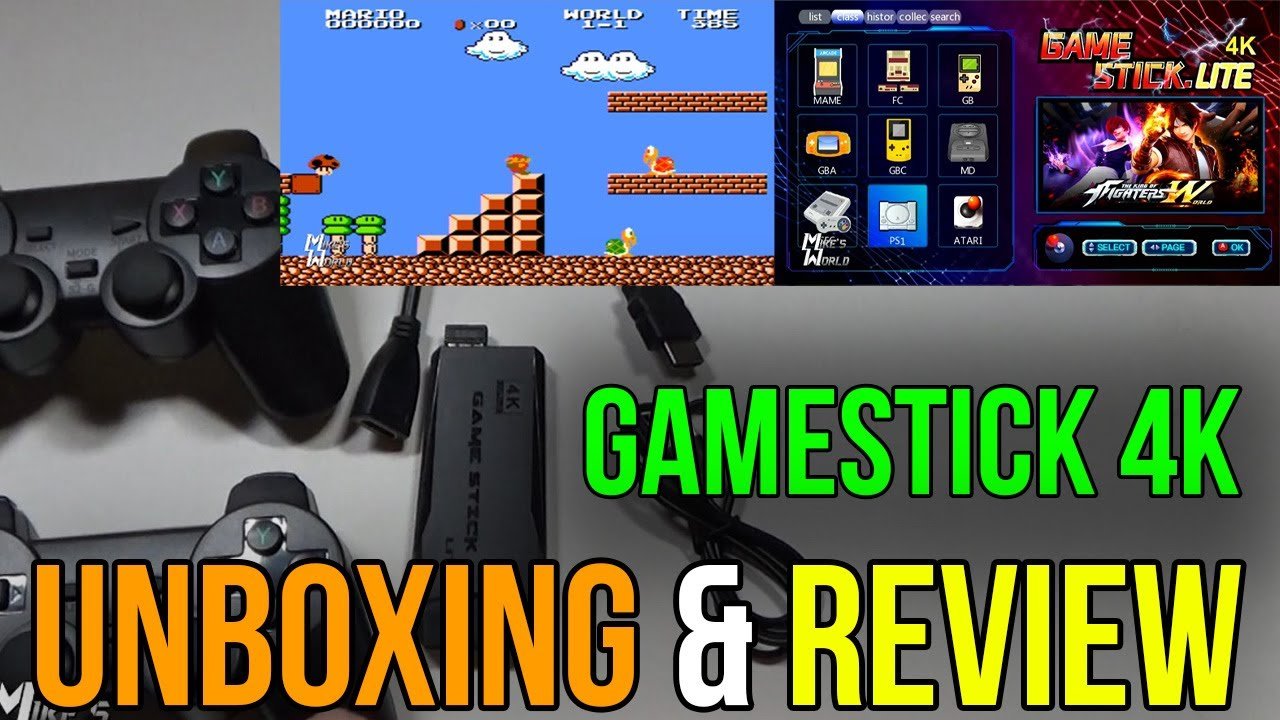
Retro game sticks offer a convenient way to play classic titles, but their quality and emulation accuracy vary significantly, so some are good, while others are not.
The allure of reliving gaming’s golden age is strong. Many gamers wonder, are retro game sticks any good? These plug-and-play devices promise access to hundreds, even thousands of classic games. But, do they deliver a truly authentic retro experience, or fall short of expectations?
It’s important to consider factors like the quality of the included games and the build of the stick itself. Some are excellent for casual play, while others struggle with emulation performance.

Are Retro Game Sticks Any Good? Diving Deep into the World of Classic Gaming
So, you’ve seen those little retro game sticks, right? They promise to bring back the magic of classic video games, letting you play the games you loved as a kid – or maybe the games your parents loved! But are they actually any good? Do they live up to the hype, or are they just a cheap way to cash in on nostalgia? We’re going to explore all the ins and outs of retro game sticks, helping you decide if one is right for you. We’ll take a look at everything, from how they work to what games they offer, and even talk about some things you might want to watch out for. Let’s get started!
What Exactly Is a Retro Game Stick?
First, let’s make sure we’re all on the same page. A retro game stick, also sometimes called a classic game stick, is a small, usually USB-powered device that plugs into your TV or monitor. Inside, it contains a bunch of old video games, typically from the 8-bit and 16-bit eras. Think games from the original Nintendo, Super Nintendo, Sega Genesis, and even some older arcade games. Instead of using old cartridges or consoles, you play these games using controllers that often look and feel like the ones you used back in the day. The idea is to provide a simple, all-in-one way to experience classic gaming without needing to track down old equipment. It’s like having a miniature museum of video game history right at your fingertips!
How Do Retro Game Sticks Work?
The magic behind a retro game stick lies in something called emulation. Emulation is like having a special program that pretends to be an older video game console. The program reads the game files (ROMs) and makes your TV and the stick work together to play the game. Instead of physical game cartridges, the games are saved as files within the stick’s memory. When you pick a game, the emulation software “runs” it, displaying it on your TV screen, and lets you control the game using the included controllers. It’s kind of like having a bunch of different old video game consoles all tucked away in one small device.
The Heart of the Matter: Emulation Quality
The quality of this emulation is super important. If the emulator is bad, the games might be laggy, glitchy, or even have sound issues. A good emulator, on the other hand, should make the games play smoothly and just like you remember. This can be a big factor in whether or not a retro game stick is a good choice. Some sticks have amazing emulators, while others… well, not so much.
What Games Do You Get?
This is where things can get a little tricky. Most retro game sticks come with a bunch of games, sometimes hundreds, or even thousands! That sounds great, right? Well, not always. The number of games doesn’t always tell the whole story.
The Good, the Bad, and the Obscure: Game Libraries
The Good: Some sticks feature a great selection of classic hits. You might see games like Super Mario Bros., Sonic the Hedgehog, The Legend of Zelda, Street Fighter II, Mega Man, and many other beloved titles. This is often what makes the sticks appealing in the first place.
The Bad: However, not all games are created equal. Many sticks include a lot of obscure, forgettable titles that you’ve probably never heard of. While discovering hidden gems is fun, sometimes these filler games just pad out the number without adding real value.
The Ugly: Some sticks even include games that are modified or hacked versions of originals, which can be buggy or just not the same as what you remember. There are also many games on these sticks where the creators do not have the permission of the owner of the original game, and playing these games might be considered illegal or could potentially harm the original game creators.
Game List: Check Before You Buy
Before buying a retro game stick, it’s always a good idea to see if you can find a list of the included games. That way, you’ll know exactly what you’re getting, and avoid disappointment from a bunch of games you’ll never play. A big list isn’t great if it’s all filler! Look for reviews and comments from other users to see if a stick is worth your money. A great list of games will mean it’s worth the purchase, and that it’s great to play for hours and hours.
Controller Quality: The Connection to the Game
The controllers that come with a retro game stick are very important. After all, they are your connection to the game! A bad controller can ruin the whole experience, even if the games and the emulator are great.
Common Controller Types
Wired Controllers: These are usually USB controllers that plug directly into the stick. Wired controllers typically don’t have any connection problems, but they can be a bit restricting if you like to sit far away from the TV.
Wireless Controllers: Some sticks include wireless controllers, which use Bluetooth or other wireless technologies. Wireless gives you more freedom, but the connection might be spotty or require batteries.
Controller Design: Some controllers mimic the design of classic console controllers, which helps you feel like you’re playing on the original system. Others are more generic and less comfortable.
What to Look For in a Good Controller
Comfort: Does the controller feel good in your hands? Is it too small, too big, or just right? You don’t want to have your hands cramping up after an hour of playing.
Responsiveness: Do the buttons and the directional pad (or joystick) work well? Are they responsive and easy to use? Laggy buttons can make playing games very frustrating!
Durability: Is the controller well-made, or does it feel cheap and flimsy? You want a controller that can stand up to lots of button-mashing!
Setting Up and Using a Retro Game Stick
The good news is that most retro game sticks are super easy to set up. You usually just plug it into a power source (like a USB port on your TV) and then into an HDMI port on your TV. Then, you connect your controllers, and you’re ready to go.
Simple Setup, Generally Speaking
The menu system on the stick is pretty simple too. Usually, you just scroll through the list of games and pick the one you want to play. Some sticks have more advanced features, like save states (letting you save your game anywhere, not just at specific points) or filters (to change the look of the games), but most just keep it simple.
Potential Problems: User Experience
Menu Navigation: Some sticks have clunky menus that are difficult to navigate. It can be annoying to have to scroll through hundreds of games to find what you’re looking for!
Game Saving: Not all sticks have save states, which can be frustrating if you are playing a game that’s very long. Some might save your progress in game, while some might not. This is important to consider before purchasing a stick.
Limited Customization: Some sticks don’t let you adjust settings like sound levels or screen resolution. While this isn’t a deal breaker for some, it could be important to other buyers.
The Pros and Cons: A Quick Summary
Okay, let’s break this down into a simple list. Are retro game sticks good? Well, there are upsides and downsides:
Pros
Convenience: They are an easy way to experience a wide range of classic games without needing a bunch of old consoles.
Affordability: Many retro game sticks are fairly inexpensive, making them a budget-friendly option for retro gaming.
Simplicity: Setting them up and playing is generally straightforward.
Nostalgia: They let you relive the games you grew up with, which can be a lot of fun.
Cons
Emulation Quality: Some sticks have poor emulation, which can lead to lag, glitches, and other problems.
Game Selection: The game library is often inconsistent, with a lot of filler games.
Controller Quality: Controllers can be poorly made, uncomfortable, or unresponsive.
Legal Issues: The legality of these sticks is not always clear, as they sometimes include pirated games.
Software Problems: Sometimes the software used on these sticks are not properly made. This might lead to crashes, or non-optimal user interface issues.
Who Are Retro Game Sticks Good For?
So, who would enjoy a retro game stick?
Casual Gamers: If you want to play some classic games every now and then, without needing to buy old consoles or games, a retro game stick can be a good choice.
Nostalgia Seekers: If you are feeling nostalgic and want to play the games you loved as a kid, a retro game stick can bring those memories back.
Budget-Conscious Buyers: If you want to play retro games but don’t want to spend a lot, these sticks can be an affordable option.
People Who Want Simple Gaming: If you want to play video games without a lot of setup, and with just a simple menu, these sticks are very easy to use.
Who Might Want to Think Twice?
Hardcore Gamers: If you are a serious retro game enthusiast, you may want to look into using original hardware for a more authentic experience.
Those Who Value Game Quality Over Quantity: If you would rather play a smaller number of great games over a huge number of not-so-great games, then these sticks might not be the best option for you.
People Who Prefer High-Quality Components: If you want high-quality controllers and a perfect emulation experience, you might be better off looking for more expensive options or building your own emulator system.
Making Your Decision: What to Consider
When you are trying to decide if a retro game stick is right for you, here are some important questions to consider:
What is Your Budget? Retro game sticks come in many different price ranges. Decide what you are willing to spend before you start shopping.
What Games Do You Want to Play? Look at the game list, if you can find one. Does it have most of the games you want?
How Important is Controller Quality? Is it important that the controllers feel good and work well?
Do You Care About Perfect Emulation? Are you okay with some small glitches or imperfections, or do you need a near-perfect emulation experience?
Do You Want Extra Features? Do you want save states, game filters, or other features?
Alternative Options: Beyond the Game Stick
Retro game sticks aren’t the only way to play classic games. There are some alternatives to think about:
Original Hardware: You could buy old consoles and game cartridges to play games on the original hardware. This is the most authentic experience, but it can be expensive.
Emulators on PC/Raspberry Pi: You could set up your own emulator on a PC or a small computer like a Raspberry Pi. This option gives you a lot of control, but it takes time and effort to set up.
Nintendo Switch Online/Other Subscription Services: Some modern consoles have subscription services that give you access to a library of classic games. This is often more reliable than a retro game stick, but it does cost money every month or year.
Retro Consoles: Some companies create “retro” consoles, which are brand new systems that are made to look and play like the classics. These are often higher quality, but they also cost more than game sticks.
Ultimately, the best option for you depends on what you are looking for. There are many options to explore when you look for retro gaming.
Retro game sticks can be a fun and convenient way to revisit the classics. They’re usually easy to set up, budget-friendly, and provide access to a wide library of old games. However, it’s important to be aware of the potential downsides, such as inconsistent emulation quality, a high percentage of filler games, and poor controller quality. It’s vital to do your research, read reviews, and choose a stick that fits what you’re looking for. If you know what to expect, retro game sticks can be an enjoyable way to dive into the world of retro gaming!
Retro Stick Video Game Console
Final Thoughts
Ultimately, retro game sticks offer a simple way to enjoy classic titles. The convenience and price point can be appealing for casual gamers. However, they often lack the quality or authenticity of original hardware.
So, are retro game sticks any good? The answer depends on your expectations. They provide a decent, budget-friendly entry into retro gaming, but serious collectors may want something more. A key consideration is the emulation quality and controller feel.

