
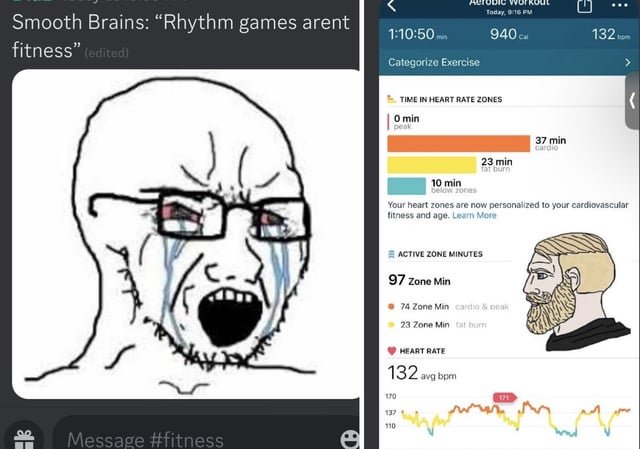
Yes, rhythm games can improve cognitive functions like timing, attention, and reaction speed, suggesting they are beneficial for your brain.
Have you ever tapped your foot to a beat and wondered if it did anything more than just feel good? The question, “are rhythm games good for your brain” often pops up. These engaging games require focus, coordination, and a sense of timing. It begs the question if such activities have any impact on the brain. This article will explore the potential brain benefits derived from playing rhythm games. We aim to see what science says about the impact of rhythm games.

Are Rhythm Games Good for Your Brain?
Have you ever tapped your foot to a catchy song or felt the urge to dance when your favorite beat drops? That feeling is all about rhythm! Now, imagine turning that feeling into a game. That’s what rhythm games are all about, and it turns out they might be doing more for your brain than just entertaining you. Let’s explore exactly how these games affect our minds and whether they’re secretly brain boosters.
The Basics: What Are Rhythm Games Anyway?
Before we dive into the brain benefits, let’s make sure we’re all on the same beat! Rhythm games, at their core, are video games where players perform actions in sync with musical patterns. These actions might involve tapping buttons, moving your body, or using a special controller. Think of popular titles like Dance Dance Revolution, Guitar Hero, Beat Saber, or even mobile games like Cytus. They all share the common thread of matching actions to the rhythm of the music.
Different Styles, Similar Core
While they all revolve around rhythm, rhythm games come in many different forms. Some require precise finger movements on a controller, while others get you physically moving your body. Some games are more about the melody, while others focus on the percussive elements of the music. No matter the style, each helps challenge your brain in unique ways.
- Button Tapping Games: These games often involve tapping buttons on a controller or keyboard in time with the music. Examples include Guitar Hero, Rock Band, and Project Diva.
- Motion-Based Games: Here, players use their entire body to interact with the game. Dance Dance Revolution, Just Dance, and Beat Saber fall into this category.
- Touch-Based Games: Often found on mobile platforms, these games involve tapping, swiping, or dragging your fingers on the screen in time with the rhythm. Cytus and Deemo are good examples.
How Rhythm Games Engage Your Brain
Now for the exciting part: how rhythm games affect your mind! It might seem like you’re just following along to music, but there’s a lot more going on behind the scenes. These games tap into several key cognitive functions.
Enhancing Timing and Coordination
One of the most obvious benefits is the improvement in timing and hand-eye (or body-eye) coordination. To be good at a rhythm game, you need to anticipate the beats and react quickly. This involves the cerebellum, which is crucial for coordinating movement and timing. The more you play, the better your timing becomes, and this skill can translate into other areas of your life.
- Improved motor skills: Games that involve physical movement can boost your gross motor skills.
- Fine motor skills: Games that require precise finger movements enhance your fine motor skills.
Think about it: playing Guitar Hero for example, requires your fingers to rapidly move to the correct buttons at the precise time the notes reach the line. This activity can improve your finger dexterity as well as the speed of reaction from your brain to your fingers. In the same way, a game like Dance Dance Revolution can improve your overall coordination, balance and agility. These are not just benefits in the game. These skills help in day to day life.
Boosting Focus and Attention
Playing rhythm games requires a great deal of focus and concentration. You need to pay close attention to the patterns on screen, the music, and your own actions. This kind of focused attention can be very beneficial, especially in a world where distractions are all around us. When you play such games, your brain actively blocks out distractions to focus on the patterns and the rhythm of the game, leading to better attentional abilities.
- Increased sustained attention: Rhythm games help you maintain your focus on a single task for extended periods of time.
- Selective attention: You learn to filter out irrelevant stimuli and concentrate on important cues in the game.
Improving Auditory Processing
Rhythm games are built around sound! They make your brain work hard to process musical patterns, differentiate between different sounds, and analyze the structure of songs. Regularly engaging with rhythm games can help improve your brain’s auditory processing abilities. This could mean making it easier to distinguish between similar sounds or to better understand and remember auditory information. These benefits could also improve memory and listening skills.
- Better sound discrimination: You become more attuned to subtle changes in rhythm and melody.
- Enhanced auditory memory: You learn to remember musical patterns and sequences.
- Improved listening skills: Your brain becomes better at understanding the structure of songs and music.
Enhancing Cognitive Flexibility
Cognitive flexibility refers to your brain’s ability to adapt and switch between different tasks or thought processes. Many rhythm games require you to constantly adapt to new patterns and challenges, leading to improved cognitive flexibility. For example, a game may throw a complex sequence of notes at you, and then you would be required to quickly adjust your response, this activity will make your brain more adaptable. This is very useful because such adaptable skills translate into various other aspects of life that require flexible thinking like problem-solving.
- Improved task-switching abilities: Rhythm games help your brain move smoothly between different actions and challenges.
- Greater problem-solving skills: You learn to quickly analyze and react to new patterns and situations.
Memory and Recall
Many rhythm games, especially those that involve complex sequences of actions, can help improve memory and recall. In such games, you need to memorize patterns and sequences of actions to succeed. This repetitive process of remembering patterns can improve your short-term and working memory. In addition, memorizing songs and their rhythms can give your brain a workout and boost recall.
- Short-term memory boost: You need to remember upcoming sequences in the game.
- Improved pattern recognition: Your brain becomes better at recognizing and remembering musical patterns.
Boosting Mood and Reducing Stress
Games, in general, can be great ways to relieve stress and lift your mood. Rhythm games are no different. The sense of accomplishment you feel after successfully completing a challenging song can be very rewarding. The rhythm and flow of music itself also have a positive impact on your emotional well-being. Music has an effect on us, and rhythm games have combined the fun of gaming with the joy of music. This is great for reducing stress and boosting mood.
- Release of endorphins: The fun and sense of accomplishment that come with rhythm gaming can lead to the release of “feel-good” chemicals in your brain.
- Stress reduction: Immersing yourself in a game can provide a temporary escape from daily stressors.
The combination of music, movement, and focus makes rhythm games a fantastic way to unwind and have fun while also giving your brain a good exercise session.
Scientific Studies and Research
The idea that rhythm games can be beneficial is not just a theory. Numerous scientific studies have looked into how these games impact cognitive functions, and results are encouraging.
Studies on Timing and Motor Skills
Research has consistently shown that rhythm game training can improve motor skills, timing and coordination. Studies published in journals like “Frontiers in Neuroscience” have detailed improvements in timing precision after rhythm game sessions. This means that people who play such games regularly get better at timing their actions and anticipating the rhythm. This is due to increased activity in areas of the brain like the cerebellum, which is responsible for coordinating movement.
Focus and Attention Studies
Scientists have studied the impact of rhythm gaming on focus and attention, and evidence points towards positive effects. Experiments have shown that rhythm game training helps individuals to better concentrate on tasks, block distractions and improve cognitive control. These findings are especially exciting because these benefits can translate into better performance in school, at work and in daily activities.
Auditory Processing and Memory
Neuroscience research has confirmed the positive effect of rhythm games on auditory processing. Researchers have found that musical training, including rhythm-based tasks, enhances the brain’s ability to process auditory information. It means players become better at identifying, remembering and processing musical information. Studies in journals like “Music Perception” have found that musicians who practice such activities show better memory and recall skills.
Cognitive Flexibility Research
Studies on cognitive flexibility have shown rhythm games help develop adaptability. Individuals who play rhythm games show better task-switching abilities and cognitive flexibility. A number of studies have looked at brain activity through fMRI while people played rhythm games and found there is a clear correlation between playing such games and improved cognitive flexibility.
Who Can Benefit from Rhythm Games?
The advantages of rhythm games are not limited to gamers, they can be enjoyed by all. Here are some groups that can benefit a lot.
Children and Adolescents
The benefits that rhythm games provide are especially helpful for growing minds. The games help in the development of motor skills, concentration and auditory processing, all of which are essential for learning and growth. Moreover, games can be fun and engaging, so they can help children learn in an enjoyable way.
Adults and Seniors
Adults, who may need to improve their focus and cognitive abilities, can use rhythm games as a fun activity to challenge and train their minds. Research shows that they can also be beneficial for older adults, helping maintain cognitive functions and motor skills. For seniors, these games can offer cognitive and motor workouts while also offering a source of entertainment.
Individuals with Cognitive Impairments
Research suggests that rhythm games can help individuals with some specific learning or cognitive impairments. For those who face difficulties in concentration, focus, timing or memory, these games may offer a fun, effective therapy tool. However, it’s crucial to use these games as tools and to consult with healthcare professionals for the best plan for an individual’s needs.
Potential Downsides
While the advantages of rhythm games are clear, it’s also vital to discuss potential downsides. Like any form of entertainment, rhythm games should be played in moderation.
Risk of Repetitive Strain Injuries
Excessive or intense playing of rhythm games that require physical movements can sometimes lead to repetitive strain injuries. These injuries occur when people repeat the same actions frequently. This might be because they are not taking breaks in-between the game. This is why it is always good to take frequent breaks.
Eye Strain
Staring at a screen for an extended time can lead to eye strain and fatigue. This is a common issue with all forms of gaming. To prevent this, take regular breaks and ensure a comfortable screen setup.
Potential for Addiction
Like other games, there’s a risk of becoming too addicted to rhythm games. This could lead to excessive screen time and may negatively affect other aspects of life such as social interaction, and physical activity. It’s important to maintain a balance and make sure that gaming doesn’t overtake other priorities in your life.
Tips for Healthy Rhythm Gaming
Now that you know about the benefits and potential downsides, here are some ways to play rhythm games in a healthy way.
Take Regular Breaks
It is important to take breaks during long gaming sessions. A good approach is to take a break every 30 minutes. This gives your eyes a rest, and can help prevent any physical strain. During the break, walk around and move your body.
Maintain Good Posture
Make sure you have a good posture while playing any games. When playing, always sit in a comfortable position and use good ergonomics when playing. This can prevent discomfort and pain in the long run.
Balance Gaming with Other Activities
Always try to balance gaming with physical and social activities. Engage in a variety of activities, this is essential for your general physical and mental wellbeing. You should try to include other activities in your life like sports, walks and meeting friends or family. This also prevents the risk of addiction and ensures that you live a balanced life.
Choose Games Wisely
Choose the kind of games that suit you the best and also make sure that the games are appropriate for your age. There are many rhythm game options available, so you can choose one that suits your needs and abilities. You should also make sure the games are from reputable and trusted sources. This way you would have better gaming experience.
Rhythm games offer more than just entertainment. They present a fun and engaging way to give your brain a workout. By improving timing, coordination, focus, memory, and cognitive flexibility, these games can positively affect your mind and overall well-being. When done in moderation, and with the right precautions, rhythm games can be a great addition to your life. Whether you’re a seasoned gamer or a newcomer, it is worth giving rhythm games a try.
Could Playing Music DRASTICALLY Change Your Brain?
Final Thoughts
In short, rhythm games appear to offer cognitive benefits. They can improve attention and reaction time. These games also enhance auditory processing skills.
Playing rhythm games challenges your brain in many ways. This can contribute to better focus and coordination. Therefore, the answer to ‘are rhythm games good for your brain’ is likely a positive one.

