
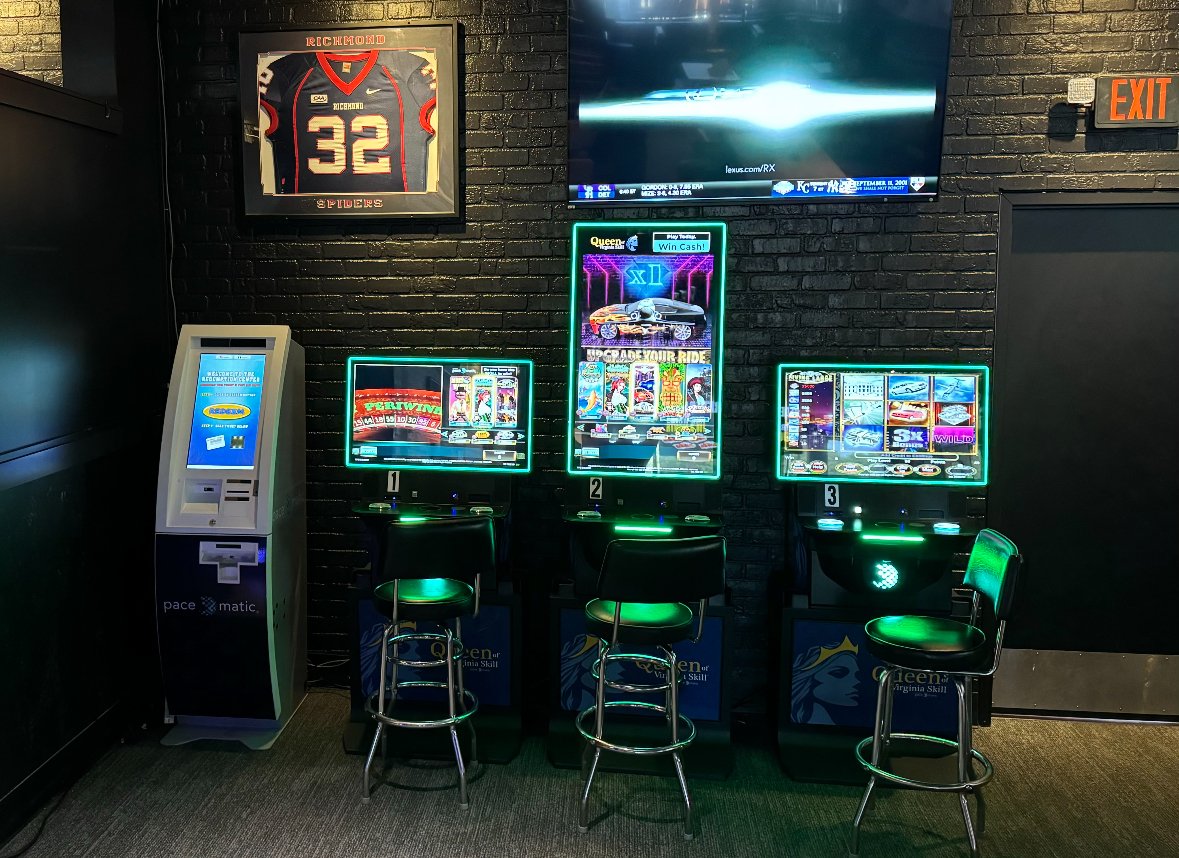
Skill games are currently not legal in Virginia.
The question of whether are skill games legal in Virginia creates a complex legal landscape. Recent legislative changes have significantly impacted these types of games. Currently, the state prohibits machines resembling slot machines, even if they are argued to be skill-based.
This has left many business owners and players uncertain about the current situation. Understanding the legal framework is crucial before operating or participating in these games within Virginia. The situation is evolving, making ongoing awareness critical.

Are Skill Games Legal in Virginia? A Deep Dive
The question of whether skill games are legal in Virginia is a bit like a rollercoaster – it goes up and down, with twists and turns along the way. It’s not a simple yes or no answer, and it involves understanding some pretty specific laws and how they’re interpreted. Let’s break it down, piece by piece, so you can understand the situation.
What Exactly Are Skill Games?
Before we talk about the legality, it’s important to know what we mean by “skill games.” These aren’t your typical games of chance, like slot machines, where you just push a button and hope for the best. Skill games are supposed to rely more on the player’s ability, like hand-eye coordination, strategy, or problem-solving, rather than just luck. Think of games where you have to make decisions or react quickly to succeed. Some common examples of skill games include:
- Games that involve matching symbols or patterns where speed and accuracy matter.
- Games that look similar to slot machines but require player input to stop reels at the right time.
- Games that involve timing actions or reactions to achieve a goal.
The important part here is the idea that a skilled player is more likely to win than someone who’s just hoping for good luck. This difference – skill vs. chance – is where a lot of the legal debate comes from.
The Legal Landscape: A Shifting Picture
The Initial Boom
For a while, skill games were very popular in Virginia. They popped up in convenience stores, truck stops, and other places where people might want a quick chance to win something. These machines often looked a lot like slot machines, which caused some confusion. The argument from operators was that these were skill games, not gambling, and were therefore allowed. This was all happening without a clear law directly addressing them. This created a legal grey area where skill games thrived.
The Crackdown and the Ban
Things changed when lawmakers decided that the lack of clear rules needed to be addressed. The concern was not only that the games were taking money but also that they could be potentially addictive or could lead to other social problems. In 2020, the Virginia General Assembly passed legislation that essentially banned skill games starting in July 2021. This law made it a misdemeanor to operate a skill game that offered a cash prize. This was not a case of simply saying skill games are good or bad, but more about regulating them or outright prohibiting them. The state wanted to control what was happening in this area and put rules in place.
The Ongoing Legal Battles
The story doesn’t end there. Some skill game operators didn’t agree with the ban and challenged the law in court. Their argument was that these are truly skill games, not gambling, and the ban was unfairly targeting their business. The legal challenges have made the situation even more complex. There have been court rulings, appeals, and ongoing discussions about the definition of skill and chance in the context of these games. The legal fight shows that the question “are skill games legal in virginia” is not simple to answer.
Why the Debate is so Complex
The core of the legal complexity lies in determining whether the games are truly based on skill or chance. It’s not enough to just call something a “skill game.” There are very particular definitions that lawmakers and judges use. Here’s a look at what makes this debate so difficult:
- The Skill Element: How much does the player’s skill impact the outcome? If a skilled player consistently wins more than a beginner, then it’s more likely to be a skill game. But, if the game is still mostly random, it’s more like gambling.
- The Chance Element: No matter how skilled you are, there is always some degree of chance involved in nearly everything we do. The question is, is the element of chance minimal or significant? In pure gambling games, chance dominates the outcome. In skill games, chance may be a factor, but skill should be the primary deciding factor.
- The Perception of the Game: How does a player view the game? If it feels more like a slot machine, it’s more likely to be considered gambling. If it feels like a game that rewards practice and skill, it’s more likely to be a skill game. This perception is also important because lawmakers often create laws based on what the public believes is fair and safe.
- The Difficulty of the Game: Are the games too easy that anyone can win, or are they truly challenging to a point where only skilled players can win? This can affect whether the game is considered to be based more on skill or chance.
Because of these different views and definitions, making clear laws about skill games becomes quite difficult.
Current Situation: What’s the Status Now?
A Temporary Pause
As of now, Virginia is in a somewhat complicated situation regarding skill games. While the ban has been in place, there have been some court decisions that have caused some delays in enforcement. This means that while skill games are officially not allowed, there could be some games that are still operating. However, these are likely to be in a very limited scale compared to before the ban.
Enforcement Challenges
Enforcing the skill game ban is not easy. It takes time for law enforcement to identify machines, investigate where they are, and issue violations. Also, the legal challenges mean that there could be different interpretations of the law by law enforcement and court in different areas. This can make it hard to enforce consistent policies statewide.
Possible Future Developments
The legal battle around skill games in Virginia is ongoing, which means the situation might change again. The state could create new laws to regulate skill games, or it could double down on the ban. There are various different possibilities, including:
- Regulation: Virginia could decide to allow skill games but with very clear rules. These rules could involve things like licensing, taxation, and setting standards for what makes a game a skill game.
- Complete Ban: Virginia could also continue to try and enforce the existing ban. There could be more actions to remove any remaining machines, and new laws to make sure no more games are installed.
- Legal Challenges: The skill game operators who oppose the ban could continue their legal fight, which could lead to new court decisions that change the rules once again.
It’s important to stay informed to keep up with these developments, as this is not an area with a clear and simple path.
Impact of the Legal Uncertainty
The back-and-forth over skill games has had several impacts on various groups:
Businesses
For businesses that previously relied on income from these machines, the ban has been a financial blow. These places have had to find alternative ways to make money. The uncertainty has also created a situation where some businesses may be unsure of what they are allowed to do.
Consumers
For the people who play these games, the lack of clarity creates confusion. Some may not fully understand what is allowed, and the risk that comes with engaging in activity that may be banned by state law. The constant changes in law, and legal battles have further made the situation complex and hard to understand.
State Government
The back-and-forth has also been a challenge for the state government. There is cost to enforce the ban, defend laws in court, and potentially create new regulations. The ongoing debate also requires time and effort from lawmakers to create a solution that satisfies multiple groups.
Staying Informed About Skill Games in Virginia
Because the situation with skill games is constantly changing, it’s important to stay informed about any changes. Here’s how you can keep up with the latest news:
- Follow Reputable News Sources: Read news from newspapers, TV stations, and online sources that you trust. Try to find out if the source reports facts well, and avoids opinion as much as possible.
- Check the Virginia Legislative Website: This website is where you can find details about any new laws or changes to old laws. It can be helpful to search for terms related to “skill games” or “gambling” to find what you are looking for.
- Talk to Legal Experts: If you have any legal questions, it is always a good idea to speak with an expert who knows Virginia laws well. They will be able to help you understand the details of these complex laws, and give you guidance.
Keeping yourself informed is the best way to navigate this tricky topic.
The situation regarding skill games in Virginia remains dynamic. The legal challenges and ongoing debate about skill versus chance mean this is not a straightforward issue. It’s essential to understand that while these games might seem like a fun way to pass time, they’re wrapped in legal complexity. Staying informed and understanding the differences between skill-based and chance-based games are crucial. The current legal landscape is unclear, so being aware of the latest news and official guidance will help you make informed decisions.
'More than just skill games': Legal battle continues as Virginia Supreme Court reinstates controvers
Final Thoughts
The legal status of skill games in Virginia remains complex and subject to change. Recent legislative actions have created uncertainty, with enforcement varying across localities. Navigating these rules requires careful attention to updates from authorities.
Therefore, whether are skill games legal in virginia isn’t a simple yes or no answer. The current legal framework is still evolving. Businesses and players should stay informed of the ongoing debates.

