
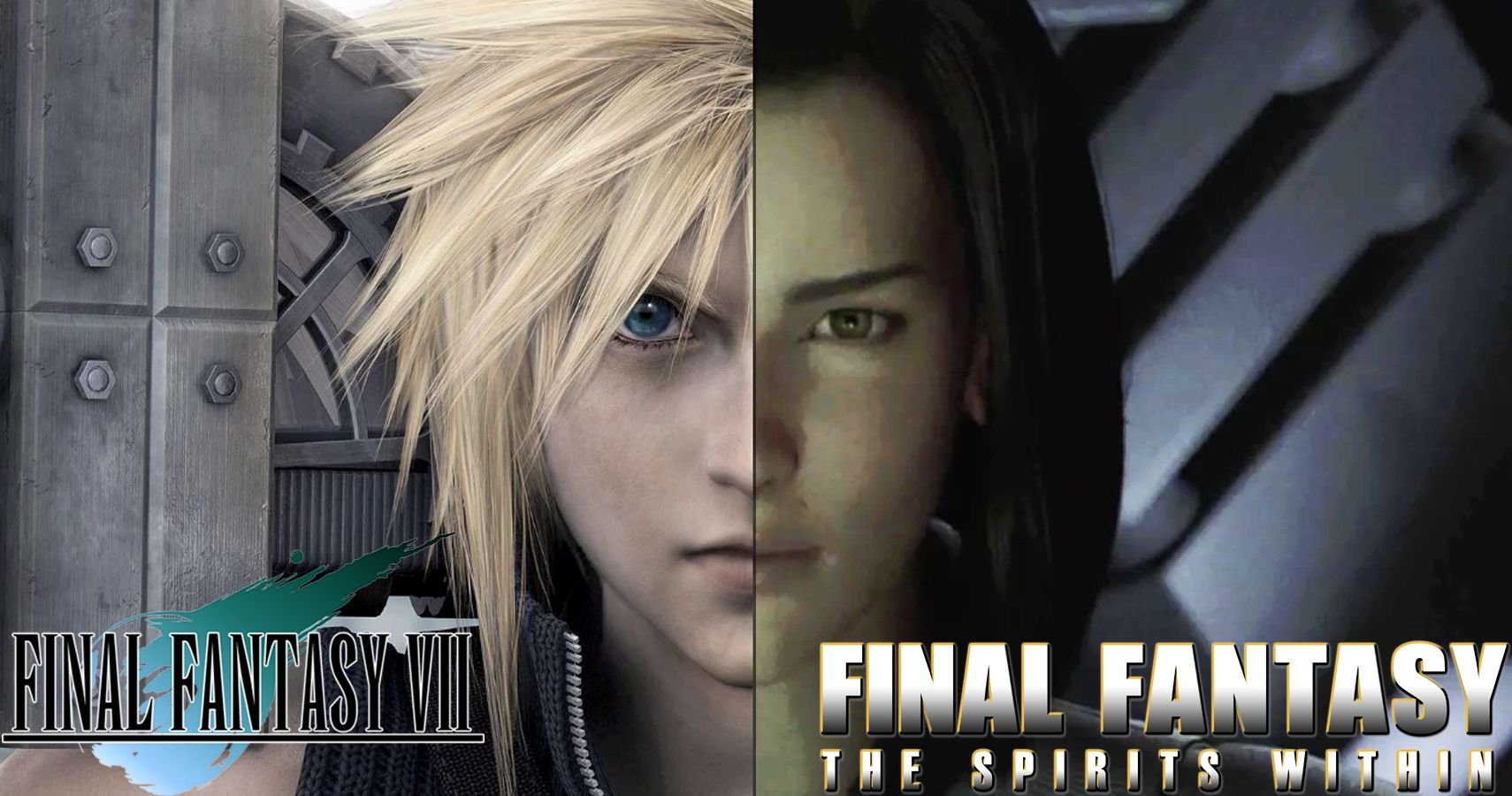
No, the Final Fantasy games are not directly connected by a single, overarching narrative. Each mainline title presents its own unique world, characters, and story, although recurring themes and motifs appear.
Have you ever wondered if the various Final Fantasy games share a hidden link? Many fans ask, “are the ff games connected?” It’s a question that sparks a lot of discussion in the gaming community. Each game offers its own distinct experience.
While familiar elements like Chocobos and summons appear, the stories generally stand alone. They provide individual adventures with fresh characters. So, exploring each is like starting a new epic tale.

Are the FF Games Connected? Unraveling the Final Fantasy Universe
The Final Fantasy series, with its sprawling worlds, memorable characters, and epic stories, has captivated gamers for decades. But a question that often pops up among fans, both new and old, is: “Are the FF games connected?” It’s a great question! The short answer is: it’s complicated! While they might not share a single timeline or universe in the way that, say, the Marvel movies do, there are definitely recurring themes, characters, and even a few shared story elements that make things interesting. Let’s dive in and explore how these incredible games relate to each other, or sometimes, don’t.
The Core Concept: Worlds Unto Themselves
The most important thing to understand is that each numbered Final Fantasy game, like Final Fantasy VII, Final Fantasy X, or Final Fantasy XV, is mostly intended to be a standalone story. Think of them like different books in a series where each book is complete on its own but might have some similar themes or even characters in a slightly different role. They often take place in entirely separate worlds with unique histories, cultures, and magic systems. This allows each game to feel fresh and exciting, offering a new adventure with every release.
Common Threads: The Familiar Elements
Even though the games don’t share a direct story, there are several recurring things that link them together, creating a sense of familiarity. It’s like seeing a familiar face in a crowd – you know you’ve seen them somewhere before, but it might be in a different context. These common elements are often the glue that holds the series together in our minds.
- Character Names: You’ll frequently see names like Cid, Biggs, and Wedge, sometimes as key characters or recurring side characters. Cid is usually a brilliant inventor or engineer, while Biggs and Wedge are often a comical duo. They might not be the same people in each game but serve similar functions in the story.
- Creatures: Iconic creatures such as Chocobos (those big yellow birds), Moogles (fluffy little guys with pom-poms), and summons like Ifrit (a fire demon), Shiva (an ice goddess) and Bahamut (a dragon) make appearances in almost every game. Their roles might change, but their designs and personalities remain recognizable, offering a fun link between different games.
- Story Themes: Many games tackle similar themes like the struggle between good and evil, the importance of friendship, the cost of war, the power of hope, and the relationship between people and nature. These core themes resonate across the games and give them a shared spirit.
- Gameplay Elements: Elements like turn-based combat (though it has changed over time), job systems (where characters have specific roles), and the materia system (in certain games) are recognizable gameplay mechanics that have evolved over the years but create a feeling of playing a Final Fantasy game.
Direct Connections: When Games Share a World
While most numbered titles are distinct, there are instances where games are directly connected. These connections usually come in the form of sequels or prequels, often designated with roman numerals or subtitles. These titles expand on the story and lore of a specific game.
The Final Fantasy VII Compilation
Perhaps the most notable example of direct connections is the Final Fantasy VII Compilation. This isn’t just Final Fantasy VII itself but includes several games and movies that flesh out the story and world.
- Final Fantasy VII (the original): This is where it all started. We meet Cloud, Tifa, Barret and their fight against the Shinra Corporation and Sephiroth.
- Crisis Core: Final Fantasy VII: This prequel explores Zack Fair’s story before the events of Final Fantasy VII. We see how his actions directly influence Cloud’s story.
- Dirge of Cerberus: Final Fantasy VII: This game is a sequel that focuses on Vincent Valentine and his ongoing battles in the world after Final Fantasy VII.
- Final Fantasy VII: Advent Children (movie): This movie is another sequel to the original Final Fantasy VII, showing how the characters deal with new threats years later.
These games and the movie together create a very complex and interconnected experience, and these are clearly connected and follow a specific timeline.
Final Fantasy X and Final Fantasy X-2
Final Fantasy X and Final Fantasy X-2 are another direct connection. Final Fantasy X-2 is a direct sequel, picking up after the events of the original game. It shows what happens to Yuna and other characters after the world changes, demonstrating the consequences of their previous actions. This sequel gives the fan another way to play in the world of Spira.
The Final Fantasy XIII Series
The Final Fantasy XIII series also has sequels: Final Fantasy XIII-2 and Lightning Returns: Final Fantasy XIII. These games continue the story of Lightning and other characters from the original game. They delve deeper into the mythology of the world and build upon their established characters. These games present a cohesive narrative and build upon one another.
Subtle Connections: When Things Hint At More
Beyond direct sequels, there are sometimes very subtle connections that fans have picked up on, leading to all sorts of interesting theories. These connections might be small references, similar designs, or recurring concepts that create a sense that these worlds are related in some way, even if the developers didn’t intend that.
The Crystals
Crystals, a major theme in most Final Fantasy games, are a great example. Crystals often play a vital role in the worlds’ creation, providing power, controlling magic, or shaping the very fabric of the universe. The types and uses of these crystals can be very different in each game, but their importance and influence create a feeling of consistency throughout the series. Even when the crystals are not named specifically the same in each game, fans easily recognize what they represent and make the association to the Final Fantasy universe.
The Ivalice Alliance Games
Games set in Ivalice such as Final Fantasy XII, Final Fantasy Tactics, and Vagrant Story share a similar world and mythology, though the stories are not directly related. This makes them feel like they are taking place in the same part of the same world, during different time periods. They have their own unique stories, but are united by similar gameplay mechanics, characters, and visual style.
Easter Eggs and Fan Theories
Fans are very sharp, and they often spot little details or easter eggs that seem to hint at connections between games. These small details might not be intentional, but they get people thinking and theorizing about the larger Final Fantasy universe. For example, there might be a poster in one game referencing another, or a character’s design might seem similar to one from a different game. These little things create plenty of interesting fan discussion.
The Purpose of Disconnection: Why Standalone Stories Work
So, if the Final Fantasy games aren’t connected by a single big story, why is that? There are a few good reasons why Square Enix chooses to make each title mostly standalone. First, it allows them to explore entirely new worlds, ideas, and gameplay mechanics with each release. They’re not tied down to an established world or timeline, which means more freedom. Also, it means that anyone can jump into any new Final Fantasy game without having to have played the previous ones, making the series more accessible.
Creative Freedom
By keeping each game separate, developers have full creative freedom to try new things. They can design a world that matches their vision for the story without worrying about how it fits into other worlds in the series. This helps them to be really creative and to give us new ways to enjoy the games.
Accessibility
If every game was connected, new players might feel overwhelmed trying to figure out where to start. The mostly standalone structure makes it easy for new players to pick up any game in the series and enjoy the experience without having to play through the entire back catalog. Each numbered entry serves as a good entry point.
Replayability
Having diverse worlds and stories across the games provides players with a wide range of experiences and makes them more eager to keep playing. Each game feels new and exciting, which makes it something they will want to revisit many times. It’s more rewarding when the games can stand on their own and they don’t need to depend on each other to make sense.
So, are the Final Fantasy games connected? The answer is a resounding “sort of.” While they aren’t part of one single, continuous narrative like some franchises, they are bound together by recurring elements, familiar names, and a shared spirit. Each game brings its own unique story and world, but they all share a common heritage that fans recognize and love. It’s like a family, where each member is unique, but they all share a common background. Whether you prefer the connected stories or the mostly standalone adventures, the Final Fantasy series offers something for everyone, and it’s a legacy that continues to grow.
Are Final Fantasy Games Connected? This is Dumb!
Final Thoughts
The narrative connections between these games appear tenuous at best, with shared characters or locations sparse. It primarily seems each game operates within its own self-contained world. Common thematic elements like fantasy settings are the only consistent link.
So, are the ff games connected? The answer, definitively, is mostly no. Each title offers a unique experience, though some must acknowledge a similar genre. Players shouldn’t anticipate a deeply interconnected story across these titles.

