
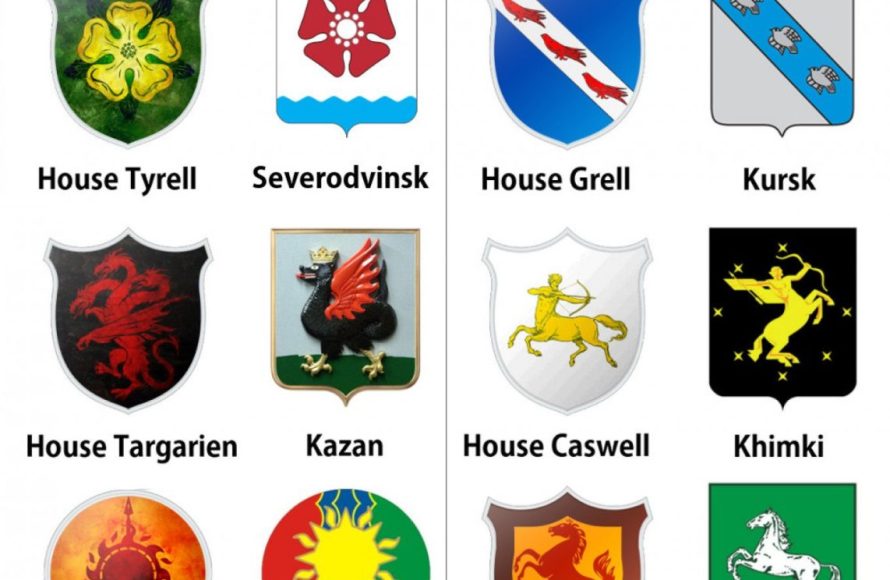
The game of thrones banners you see on the show are not real historical artifacts, they are fictional creations for the series.
Ever wondered about the striking sigils waving in the wind on Game of Thrones? The vibrant colors and intricate designs certainly catch the eye. Many fans find themselves asking, are the game of thrones banners real? They appear so authentic, prompting the question of whether they represent genuine historical flags.
These banners, while beautiful and detailed, were created by the show’s art department. They are not from any actual historical kingdom or family. Instead, each house’s banner was designed specifically for the fictional world of Westeros, a fantasy land.

Are the Game of Thrones Banners Real?
Have you ever watched Game of Thrones and wondered about those cool banners flying high above castles and armies? They’re not just pretty decorations; they tell you which family or house someone belongs to. These banners are a big part of what makes the show so interesting and detailed. But are these banners real, or did the show’s creators dream them up?
The World of Heraldry: Real-Life Banners
Before we dive into Westeros, let’s talk about real-life banners. Long ago, knights and nobles used banners to show who they were in battles and tournaments. This system of symbols and designs is called heraldry. Heraldry was super important! It helped people recognize each other, especially when wearing armor that covered their faces. Each family had their own special design, kind of like a logo, which was displayed on their banner. These designs weren’t random; they often had meanings that related to the family’s history or personality.
Elements of a Real Heraldic Banner
- The Field: This is the background color of the banner. Different colors had different meanings in heraldry. For example, gold often meant generosity, and red often meant bravery.
- The Charge: This is the main symbol or image on the banner. It could be an animal, a plant, or an object. Common charges included lions, eagles, and lilies.
- The Tinctures: These are the colors and patterns used on a banner. There were specific rules about which colors could go together. For example, you couldn’t put a metal (gold or silver) on another metal.
- The Motto: Sometimes, families had a short saying or motto that went along with their banner. This helped to further tell who they were.
So, real-life banners and the system of heraldry were a way for people to show their identity and to be recognized in medieval times. It was like having a visual code that everyone understood.
Game of Thrones Banners: Inspired by Real History
Now, let’s get back to Game of Thrones. The show’s creators took inspiration from real-life heraldry when they designed the banners for each house. They wanted the banners to feel authentic, like they really belonged in a medieval setting. But instead of copying real banners exactly, they made up their own for each house in Westeros. So the quick answer is no, the Game of Thrones banners are not real, in the sense that they didn’t exist in real world history, but they are created in the style of real heraldic banners.
House Sigils: More Than Just Pictures
The symbols used on the Game of Thrones banners are called sigils. Like real heraldic charges, each sigil was carefully chosen to represent the personality and history of the house. For example:
- House Stark: Their sigil is a direwolf, a fierce and loyal creature. This represents the Starks’ connection to the north and their fierce nature. The grey colour symbolizes honesty and integrity.
- House Lannister: They use a golden lion on a crimson background. The lion represents power and wealth, which are big parts of the Lannisters’ identity. The gold also symbolizes their riches and power, while the crimson background might represent the blood they spilled to acquire those riches.
- House Targaryen: Their sigil is a three-headed dragon. This shows their history of dragon riders and their power over them. The red colour symbolizes fire and their fiery nature.
- House Baratheon: They have a crowned stag, which represents their hunting skills and their royal status. The color black could represent power and authority.
- House Tyrell: They use a golden rose, this symbolizes their beauty and prosperity, and their connection with the Reach, a fertile area known for its flowers. The color gold represents their wealth.
These sigils are not just random pictures. They tell us about the different houses and the people who live in them. This added depth to the show and made the world feel more lived-in.
The Colors of Westeros: Meaning Behind the Palette
Just like in real heraldry, the colors used on the Game of Thrones banners also had meaning. The show used colors to help the viewers identify each house and its characteristics, but the creators took liberties and didn’t adhere strictly to real heraldic rules all the time. Let’s look at some prominent colors and their potential meanings within the context of Westeros:
- Red: Often associated with fire, blood, and war. We see this color in House Lannister and House Targaryen sigils.
- Gold/Yellow: Used to represent wealth, power, and royalty, especially noticeable on the Lannister and Tyrell banners.
- Green: Usually signifies nature, fertility, and growth. Often seen in banners from regions with thriving lands.
- Black: This color can portray authority, mystery, and solemnity, like in House Baratheon’s banners.
- Grey/White: Often associated with the cold regions, purity, peace, and honor. We see grey in the Stark sigil.
The use of these colors wasn’t just for visual appeal; they were used to help us understand the history and characteristics of different houses within the show.
Beyond the Banners: Details That Matter
The banners in Game of Thrones were part of a bigger effort to make the show feel realistic and immersive. The costumes, the architecture, and the landscapes were all designed to create a believable medieval world. It all worked together to transport us to Westeros.
Fabric and Materials
The banners weren’t just printed on cloth; the show’s designers paid attention to the fabric and how it would move in the wind. They used materials that would look authentic for a medieval setting. The material itself helped convey a sense of the real world. The way these flags are made and how they looked when in use is what also made the show look more authentic.
Banner Construction
The way the banners were constructed also added to their realism. The flags were sometimes shown in different stages of wear and tear, some having tears, fading of colours, or being dirty from the constant use. This added layers of detail to the show’s world, showing that the banners were more than just pretty designs. The care for such minute details greatly contributed to the world-building of the show.
Are the Banners Truly Accurate to Real Heraldry?
While Game of Thrones banners borrow from real-life heraldry, they’re not strictly accurate. The show’s creators took creative liberties to make the banners look cool and fit the story. For example:
Breaking the Rules
In real heraldry, there are strict rules about which colors can go next to each other. The show sometimes broke these rules for visual effect. In real life it was more about representing their families as a whole, in the show it also includes the story and characters’ role in the events.
Symbolism
The symbols on the show banners weren’t always used in the same way as real heraldic charges. They were chosen to fit the story, rather than follow a historical model. For example, the direwolf, doesn’t exist in real world and the sigils and colours represent the house more symbolically rather than literal meaning. This all was done to fit better within the show narrative.
The Purpose of Deviation
The goal of the show’s designers wasn’t to create banners that were historically accurate; it was to make banners that told a story. This shows how they made a conscious decision to bend the rules of real life heraldry for visual story telling. The goal was always to make the banners meaningful within the context of the world they had created in the show.
The Impact of the Game of Thrones Banners
Even though they are not “real” in the historical sense, the banners of Game of Thrones have made a big impact. They have become iconic symbols, recognizable to millions of fans worldwide. The popularity of the show gave rise to all sorts of fan-made merchandise, with banners being one of the most popular choices. People around the world show their love for the show by displaying their favorite house banner.
Beyond the Show
The show banners have even influenced popular culture. You can see them in many different settings, from conventions to everyday fan merchandise. People use them to represent their favorite houses and to show their love for the show. The show has also sparked interest in real life heraldry, with more people looking up information about the history and meaning of real life banners, it helped to revive a subject that has been forgotten by most.
A Symbol of Storytelling
The Game of Thrones banners are a powerful reminder of how visual symbols can tell a story. They are not just pretty decorations; they are an important part of the show’s world-building. They helped to add a layer of authenticity to the narrative, making it much more engaging for the audience. The use of banners in the show greatly benefited the storytelling by adding another dimension to the characters and houses.
In conclusion, while the banners of Game of Thrones aren’t real historical artifacts, they are fantastic examples of how visual design can enhance storytelling. They draw inspiration from real heraldry but create something new and unique for the show. They are a symbol of the amazing world-building of the show, adding depth and visual meaning for the audience.
Game of Thrones’ Westeros Banners spotted on NYC’s Brooklyn Bridge (details in description)
Final Thoughts
Ultimately, the elaborate Game of Thrones banners we see are not real; they are purely fictional creations for the show. These designs cleverly represent different houses, adding depth to the narrative. However, these banners exist only within the fictional universe.
The production team designed and created these banners specifically for the show. Consequently, the banners, while iconic, are not based on historical facts. So, the short answer to ‘are the game of thrones banners real’ is a definite no.

